




Rubber grips vs cork for wet conditions?
When you are hiking in persistent rain, crossing misty ridges, or simply dealing with sweaty hands on humid summer trails, your grip material becomes critically important. Slippery poles can lead to insecure planting, wasted energy, and even dangerous slips. Two of the most common grip materials—rubber and cork—behave very differently when wet. Understanding these differences is essential for choosing poles that perform reliably in damp conditions.
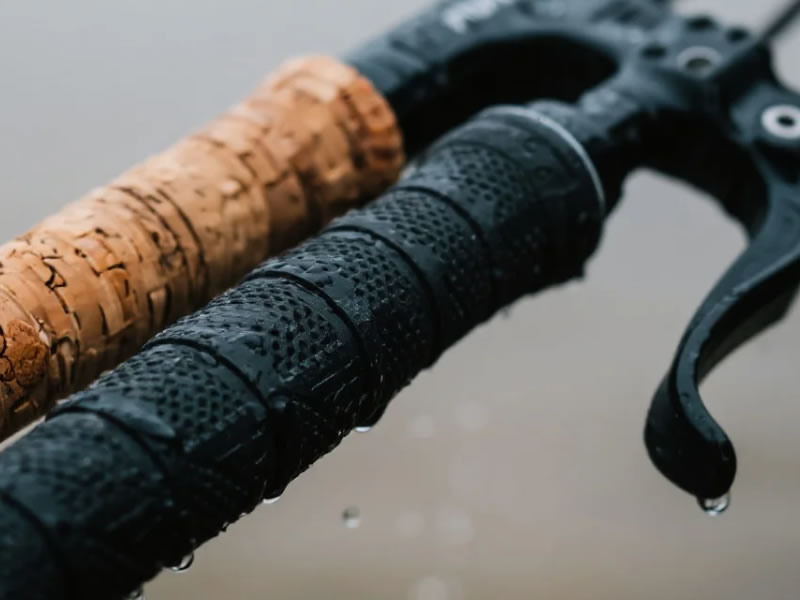
Recommended trekking pole purchase link:https://s.click.aliexpress.com/e/_c4M7OWaN
The Science of Grip
Grip is a function of friction between your hand and the grip material. Friction depends on:
- Surface texture
- Material compressibility
- Water absorption or repulsion
- Skin contact characteristics
Different materials interact with water in fundamentally different ways.
Rubber Grips: Engineered for Wet Traction
Material Properties:
Rubber grips (typically made from synthetic rubber compounds like TPE or thermoplastics) are designed specifically for maximum traction. The material itself is inherently tacky—it wants to stick to your skin.
Wet Performance:
Rubber excels in wet conditions for several reasons:
- Non-absorbent: Rubber does not soak up water. The surface remains consistent whether dry or soaked.
- Texture retention: Molding patterns (ridges, dimples, waffle patterns) remain effective because water beads on the surface rather than saturating the material.
- Compressibility: Rubber deforms slightly under pressure, increasing contact area with your hand and squeezing out water film.
The Feel:
Rubber provides a secure, confidence-inspiring grip in downpours. Your hand does not slide, even with heavy gloves. However, some hikers find rubber less breathable—in hot, humid conditions without rain, rubber can feel sticky or cause hands to sweat more.
Cork Grips: Natural Comfort, Wet Compromise
Material Properties:
Cork is a natural cellular material. It is composed of millions of tiny air-filled chambers sealed by suberin, a waxy substance that provides some water resistance.
Wet Performance:
Cork's relationship with water is complicated:
- Initial water exposure: Cork is naturally water-resistant due to suberin. Light moisture beads up and rolls off.
- Prolonged wetness: After extended saturation, cork can absorb water. The surface becomes slick, and the cork loses its texture.
- Wet friction: Compared to rubber, wet cork provides less traction. The smooth, saturated surface allows hand slippage.
The Feel:
Dry cork offers exceptional breathability and comfort. It molds to your hand over time. But wet cork feels cold, slippery, and unpleasant. In consistently wet environments, cork grips may require frequent drying to maintain performance.
Durability in Wet Environments
Rubber:
Rubber is impervious to water. It will not degrade, swell, or rot regardless of how wet it gets. However, UV exposure and extreme temperatures can affect rubber over long periods.
Cork:
Repeated wet-dry cycles can accelerate cork deterioration. The natural fibers can break down, and the binder holding cork granules together may weaken. High-quality cork grips are sealed to improve water resistance, but they are never truly waterproof.
Temperature Considerations
Rubber:
In cold, wet conditions, rubber can become stiff and less tacky. Some rubber compounds harden in freezing temperatures, though quality trekking pole grips use formulations that remain flexible.
Cork:
Cork maintains its properties in cold weather better than rubber. It does not stiffen significantly and feels less cold to the touch than rubber or foam.
The Glove Factor
If you hike with gloves in wet conditions, material choice matters differently:
- Rubber grips gloves exceptionally well. The tacky surface prevents glove slippage even when soaked.
- Cork with gloves can be problematic. Wet cork against wet glove material often creates a slippery interface.
Which Should You Choose?
| Condition | Rubber | Cork |
|---|---|---|
| Persistent rain | Excellent | Poor to fair |
| Humid, sweaty hands | Good (but may feel sticky) | Excellent (breathable) |
| Cold rain | Good | Fair |
| Mixed conditions (wet/dry) | Good | Good (if well-sealed) |
| With gloves | Excellent | Fair |
Choose Rubber Grips if:
- You hike in regions with frequent rain (Pacific Northwest, UK, tropics).
- You have sweaty hands that compromise grip.
- You hike in winter with gloves.
- You prioritize absolute security over breathability.
Choose Cork Grips if:
- You hike in variable conditions with more dry days than wet.
- You value breathability in warm weather.
- You prefer natural materials that mold to your hand.
- You are willing to maintain grips (occasional sealing) and accept some wet-weather compromise.
The Verdict
For wet conditions, rubber grips are objectively superior. They provide consistent, reliable traction regardless of moisture levels, do not absorb water, and work well with gloves. Cork, while beloved for its natural feel and breathability, simply cannot match rubber's wet-weather performance.
However, the best choice depends on your typical environment. If you hike where rain is occasional rather than constant, quality sealed cork grips may serve you well with acceptable wet performance and superior dry comfort. But if you regularly hike in the rain, rubber is the safe, confident choice.
Know your climate, know your hands, and choose accordingly. Your poles are only as good as your grip on them.




