




Trekking Pole Anatomic grips vs standard grips – worth the extra cost?
When you pick up a trekking pole, the grip is your primary interface with the gear. It transfers your energy, supports your weight, and directly impacts comfort over hours and miles. Two distinct grip philosophies dominate the market: standard cylindrical grips and anatomic (ergonomic) grips. The price difference can be substantial—often $20 to $50 more for anatomic designs. But is the extra cost justified? This deep dive examines the ergonomics, performance benefits, and long-term value of anatomic grips to help you decide where to invest.
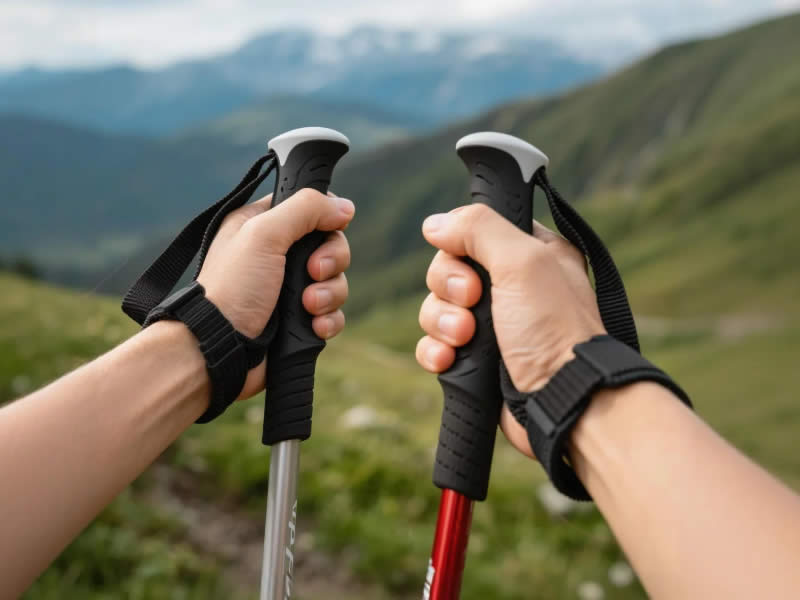
Recommended trekking pole purchase link: https://s.click.aliexpress.com/e/_c4M7OWaN
What Are Standard Grips?
Standard grips are the baseline. They are typically cylindrical or slightly tapered tubes made from cork, foam, or rubber. The design is simple: a straight shaft that you wrap your hand around. This style has been used for decades and remains common on entry-level and budget poles.
Characteristics:
- Uniform cylindrical shape
- Straight angle relative to the pole shaft
- Minimal contouring for fingers
- Often lack extended gripping surfaces
What Are Anatomic Grips?
Anatomic grips are ergonomically engineered to match the natural shape and position of the human hand. These grips feature contours that guide your fingers into specific positions, often with a slight forward rake that aligns with your natural wrist angle during walking.
Characteristics:
- Asymmetrical, hand-specific shapes (left and right)
- Forward-angled design (typically 10-15 degrees)
- Finger grooves or palm rests
- Extended grip sections for choking down
- Often feature softer, more shock-absorbing materials
The Ergonomic Difference
Wrist Angle:
Standard grips force your wrist into a slightly extended or neutral position that can become strained over long hikes. Anatomic grips are designed with a forward angle that mirrors the natural position of your hand when walking. This reduces wrist extension and keeps your forearm muscles in a more relaxed state.
Hand Fatigue:
With standard grips, your fingers work harder to maintain control, especially on steep descents. Anatomic grips distribute pressure more evenly across your palm, reducing hot spots and finger fatigue. The contoured shape provides natural resting positions for each finger.
Control and Precision:
Anatomic grips often feature a more secure connection. Your hand settles into a defined position, giving you better leverage and more precise control over pole placement. This is particularly noticeable on technical terrain where precise planting matters.
Extended Grip Feature
Many anatomic grips include an extended foam or rubber section below the main grip. This allows you to "choke down" on the pole for steep traverses or side-hilling without moving your hand onto bare carbon or aluminum. Standard grips typically lack this feature, forcing you to grip the cold, hard shaft.
Material Considerations
Both grip types come in cork, foam, and rubber variations. The material matters separately from the shape:
- Cork: Molds to your hand, breathable, comfortable but can become slippery when wet
- EVA Foam: Lightweight, shock-absorbing, consistent in all weather
- Rubber: Excellent wet grip, durable, but heavier and less breathable
Anatomic grips often pair with higher-quality materials, compounding the comfort benefits.
Who Benefits Most?
| Hiker Type | Standard Grips | Anatomic Grips |
|---|---|---|
| Casual day hiker (1-5 miles) | Adequate | Overkill |
| Weekend hiker (5-10 miles) | Acceptable | Noticeably better |
| Long-distance hiker (10+ miles) | Fatigue sets in | Highly recommended |
| Backpacker (multi-day) | Suboptimal | Significant benefit |
| Hiker with wrist/arthritis issues | May cause discomfort | Often essential |
Cost Justification
Anatomic grips typically add $20 to $50 to the price of a pole pair. The value proposition depends on your usage:
- Cost per mile: If you hike 500 miles per year, the extra cost is pennies per mile.
- Injury prevention: For those with existing wrist issues, the ergonomic benefit can prevent pain that ends hikes early.
- Longevity: Higher-quality poles with anatomic grips often last longer overall, spreading the cost over many years.
The Verdict
Anatomic grips are worth the extra cost for anyone who hikes regularly or covers significant distances. The ergonomic benefits—reduced wrist strain, better control, extended gripping surfaces—translate directly to comfort and endurance on the trail. For casual hikers who take short, occasional walks, standard grips may suffice. But for anyone who considers hiking a serious pursuit, the investment in anatomic grips pays dividends in every mile.
Your hands carry you up the mountain. Give them the support they deserve.




