




Trekking Pole Best grip shape for reducing hand fatigue?
Hand fatigue is one of the most common complaints among trekkers, especially on long days or steep terrain. The shape of your pole grip plays a crucial role in how your hands, wrists, and forearms feel after miles of planting and pushing. While many hikers focus on weight or locking mechanisms, the grip shape is arguably the most important factor for comfort and endurance. This deep dive examines the ergonomics of grip design, compares standard vs. anatomic shapes, and reveals which configuration best minimizes fatigue.
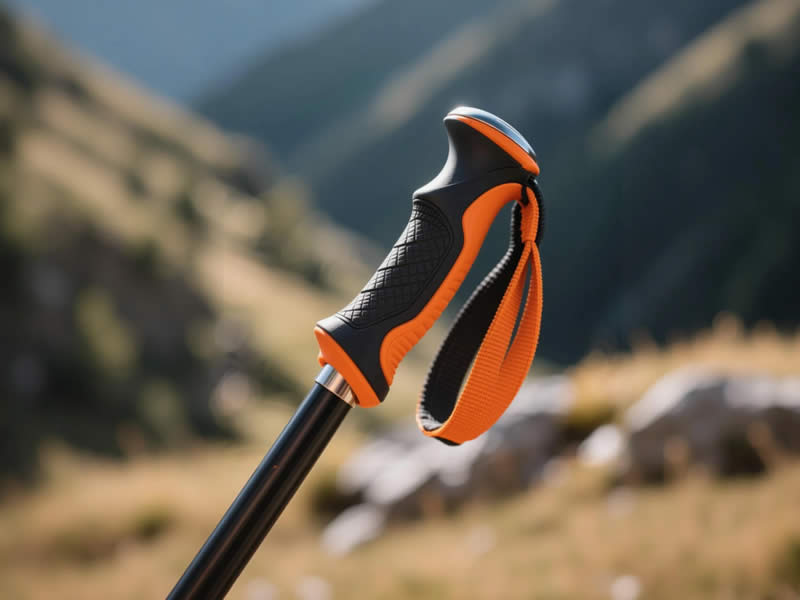
Recommended trekking pole purchase link: https://s.click.aliexpress.com/e/_c4M7OWaN
Understanding Hand Fatigue
Hand fatigue during trekking stems from several factors:
- Wrist angle: A non-neutral wrist position strains tendons and muscles.
- Grip pressure: Constant gripping without contour support forces fingers to work harder.
- Vibration: Impact shock transfers through the pole to your hands.
- Repetition: Thousands of planting cycles amplify any ergonomic inefficiency.
The grip shape directly influences all of these.
Standard Straight Grips: The Baseline
Most budget and entry-level poles feature a simple cylindrical or slightly tapered straight grip. This shape has been around for decades and works adequately for short walks. However, its limitations become apparent over distance.
Ergonomic issues:
- The straight design forces your wrist into slight extension (bent back) when the pole is planted ahead of you.
- Your fingers must wrap around a uniform cylinder without natural resting positions.
- Pressure concentrates on the palm and finger joints rather than distributing evenly.
For hikes under five miles, these issues may go unnoticed. Beyond that, fatigue accumulates.
Anatomic (Ergonomic) Grips: Engineered for the Hand
Anatomic grips are shaped to match the human hand’s natural form and walking motion. They typically feature:
Forward Rake (Angle):
The grip is set at an angle—usually 10 to 15 degrees forward—relative to the pole shaft. This aligns with your wrist’s natural position when walking. Instead of bending your wrist back to plant the pole, the rake lets your wrist stay straight, significantly reducing strain on the extensor tendons.
Contoured Palm Rest:
Instead of a uniform cylinder, anatomic grips have a broader area that supports the palm. The shape follows the natural curve of your closed hand, spreading pressure across a larger surface. This reduces hot spots and the need to grip tightly.
Finger Grooves or Indentations:
Higher-end anatomic grips include subtle contours for each finger. Your hand settles into a natural position, reducing the muscular effort needed to maintain control. This is especially beneficial on steep descents where you rely heavily on pole stability.
Left/Right Specific:
Many anatomic grips are asymmetrical, designed specifically for the left or right hand. This allows the shape to match the natural asymmetry of your hands, further improving comfort and control.
Extended Lower Grip:
A common feature of anatomic grips is an extended foam or rubber section below the main grip. This allows you to “choke down” on the pole for traverses or side-hilling without your hand slipping onto the cold, hard shaft. Without this, you either grip the shaft directly (uncomfortable) or keep your hand high (inefficient).
Materials and Their Role in Fatigue
Grip material also affects fatigue, though shape is primary.
- Cork: Molds to your hand over time, absorbs sweat, and dampens vibration. Excellent for long days but can become slick when wet unless sealed.
- EVA Foam: Lightweight, absorbs shock well, and maintains consistent texture in all weather. Often used on anatomic grips for its comfort.
- Rubber: Provides excellent wet grip but transmits more vibration and can feel harsh over long distances. Best for technical or wet conditions.
Anatomic grips often pair with higher-quality materials (cork or foam), compounding the fatigue-reduction benefits.
Comparative Fatigue Reduction
| Grip Type | Wrist Angle | Pressure Distribution | Extended Grip | Vibration Damping | Fatigue Level (10+ miles) |
|---|---|---|---|---|---|
| Straight | Poor | Concentrated | Rare | Variable | High |
| Anatomic | Excellent | Even | Common | Good (with foam/cork) | Low |
Scientific Backing
While not extensively studied in trekking poles, ergonomics research in tools and sports equipment consistently shows that anatomically shaped handles reduce muscle activation and fatigue compared to straight cylindrical grips. The wrist-neutral position alone can reduce strain on the carpal tunnel and extensor muscles by up to 30% in repetitive tasks.
Who Benefits Most?
- Long-distance hikers: Those covering 10+ miles per day will notice the most significant difference.
- Hikers with arthritis or wrist issues: Anatomic grips can make trekking possible where straight grips cause pain.
- Backpackers: Heavy loads increase the force transmitted through the poles; proper grip shape reduces cumulative fatigue.
- Technical terrain hikers: Steep descents and traverses demand precise control; ergonomic grips provide better leverage.
The Verdict
The best grip shape for reducing hand fatigue is an anatomic (ergonomic) grip with forward rake, palm contour, and left/right asymmetry. The investment—typically $20–$50 more than standard straight grips—is justified for anyone who hikes regularly or tackles significant distances. The combination of neutral wrist angle, even pressure distribution, and extended gripping surfaces translates directly to more miles with less discomfort.
For casual walkers on short, gentle trails, straight grips may suffice. But if hand fatigue has ever cut your hike short or left you sore the next day, upgrading to anatomic grips is one of the most effective gear improvements you can make.
Your hands carry your weight and your rhythm. Give them a grip that works with your anatomy, not against it.




