




Trekking Pole Moisture-wicking grip materials – do they work?
Sweaty hands are a universal challenge for hikers, especially on warm days, humid trails, or during strenuous climbs. A slick, slippery grip compromises control, increases fatigue, and can even lead to blisters. Grip manufacturers have responded with materials that claim to manage moisture—but do they actually work? This deep dive examines the science behind moisture-wicking grip materials, compares their real-world performance, and helps you choose the right grip for your sweating style.
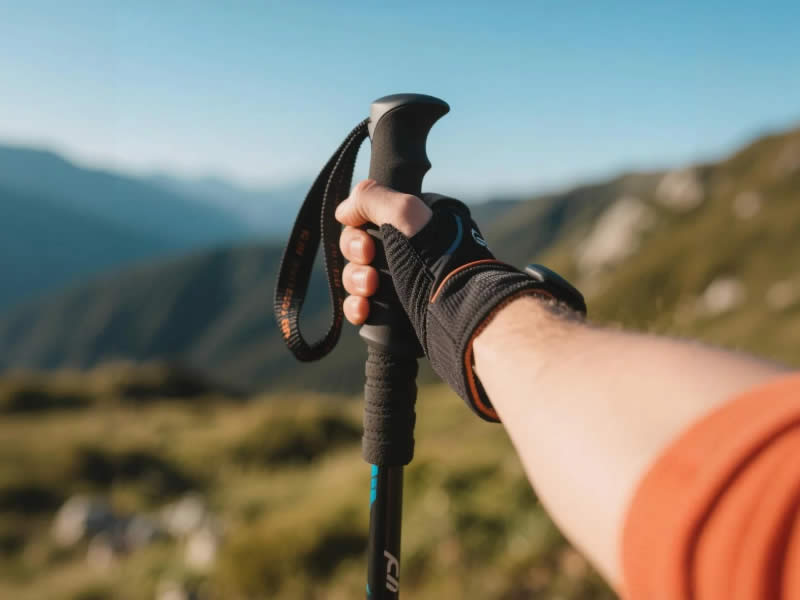
Recommended trekking pole purchase link: https://s.click.aliexpress.com/e/_c4M7OWaN
What “Moisture-Wicking” Means in Grips
Moisture-wicking in trekking pole grips refers to the material’s ability to draw sweat away from your skin, either through absorption, evaporation, or channeling. Unlike synthetic fabrics that transport moisture to an outer layer, grip materials manage moisture differently—they either absorb it temporarily or repel it to maintain friction.
The effectiveness depends on three factors:
- Absorption capacity – How much moisture the material can hold
- Surface texture – How well the material maintains grip when wet
- Drying rate – How quickly the material releases moisture to the air
Natural Cork: The Time-Tested Solution
Cork is the gold standard for moisture management in trekking pole grips. Harvested from cork oak bark, its cellular structure is naturally suited to handling sweat.
How it works:
Cork is composed of millions of microscopic air-filled chambers sealed by suberin, a waxy substance. This structure is naturally hydrophobic (water-repellent) on the surface while remaining porous enough to absorb minimal moisture. When your hand sweats, the moisture either beads on the surface (where friction is maintained) or is absorbed into the outermost cells and then evaporates quickly.
Real-world performance:
Cork grips remain grippy even when wet. They do not become slimy like rubber or slick like cheap foam. Over time, cork actually molds to your hand, improving contact area and further reducing slippage. The material also stays cool in direct sun and warm in cold weather.
Limitations:
Cork can become saturated if soaked in heavy rain or submerged. Once saturated, it loses its texture until dried. High-quality cork grips are often sealed to improve water resistance while maintaining breathability.
EVA Foam: The Synthetic Alternative
EVA (ethylene-vinyl acetate) foam is a popular alternative to cork, especially in anatomic grips. Its moisture-wicking performance varies dramatically by formulation.
Open-cell vs. closed-cell foam:
- Open-cell EVA contains interconnected pores that allow moisture to be absorbed and evaporated. High-quality open-cell foam grips effectively wick sweat away from the hand and dry quickly.
- Closed-cell EVA has sealed pores that trap moisture against the skin. Cheap foam grips often use closed-cell foam, which becomes slippery when wet and stays wet longer.
Performance factors:
Premium EVA grips from brands like Black Diamond, Leki, and Gossamer Gear use engineered open-cell foams with textured surfaces that maintain traction even when damp. They are lighter than cork and provide excellent shock absorption.
Rubber: The Wet-Weather Specialist
Rubber grips take a different approach to moisture: they repel it entirely. Rather than absorbing sweat, rubber relies on inherent tackiness to maintain grip even when wet.
How it works:
Synthetic rubber compounds are formulated to be “sticky” regardless of moisture. Sweat beads on the surface but does not reduce friction significantly. This makes rubber the best choice for persistent rain or extremely sweaty hands.
Trade-offs:
Rubber does not breathe. In hot, dry conditions, rubber grips can feel sticky and may actually increase sweating. They also transmit more vibration than cork or foam, which can contribute to hand fatigue over long distances.
Comparative Performance
| Material | Sweat Absorption | Grip When Wet | Breathability | Drying Speed | Best Use |
|---|---|---|---|---|---|
| Natural Cork | Moderate | Excellent | Excellent | Fast | All-around, moderate sweat |
| Open-Cell EVA | Moderate-High | Good | Good | Fast | Lightweight, hot conditions |
| Closed-Cell EVA | Poor | Poor | Poor | Slow | Avoid for sweaty hands |
| Rubber | None | Excellent | Poor | N/A | Wet conditions, very sweaty hands |
Real-World Testing: Do They Actually Work?
Yes, but the experience varies:
For moderate sweating: Cork and open-cell EVA effectively manage moisture. Your hands stay dry enough to maintain grip, and the materials dry quickly during rest breaks.
For heavy sweating: Rubber grips may be the best choice despite their breathability limitations. The inherent tackiness provides reliable grip even when sweat is pouring.
For humid conditions: Cork excels because it breathes. Foam grips can become saturated in high humidity and dry slowly.
For rain: Rubber wins. Cork and foam eventually saturate in persistent rain, though sealed cork grips perform better than unsealed.
The Verdict
Moisture-wicking grip materials do work—but only if you choose the right material for your conditions and sweat level.
- Cork is the most versatile all-around choice, providing excellent moisture management in most conditions.
- High-quality open-cell EVA is a lightweight alternative that performs well for sweaty hands in warm weather.
- Rubber is the specialist for wet conditions or extreme sweaters, though it sacrifices breathability.
- Cheap closed-cell foam does not wick moisture effectively and should be avoided by anyone with sweaty hands.
For most hikers in variable conditions, cork strikes the best balance between moisture management, comfort, and durability. If you hike primarily in hot, humid environments or have particularly sweaty hands, test cork and high-end foam grips to see which works best for your physiology.
Your grip should never be a slipping hazard. Choose a material that keeps you connected to your poles, mile after mile.




