




Dog Leash Attachment for Walking Poles – Available? A Complete Guide to Hands-Free Hiking with Your Pup
For dog owners who love to hike, the question of how to manage both walking poles and a canine companion is a common one. Juggling poles in one hand and a leash in the other can be awkward, tiring, and even dangerous if your dog suddenly lunges after a squirrel. The good news is that dedicated dog leash attachments for walking poles do exist, and they can transform your hiking experience. This guide explores the available options, how to use them safely, and what to consider when choosing the right setup for you and your four-legged friend.
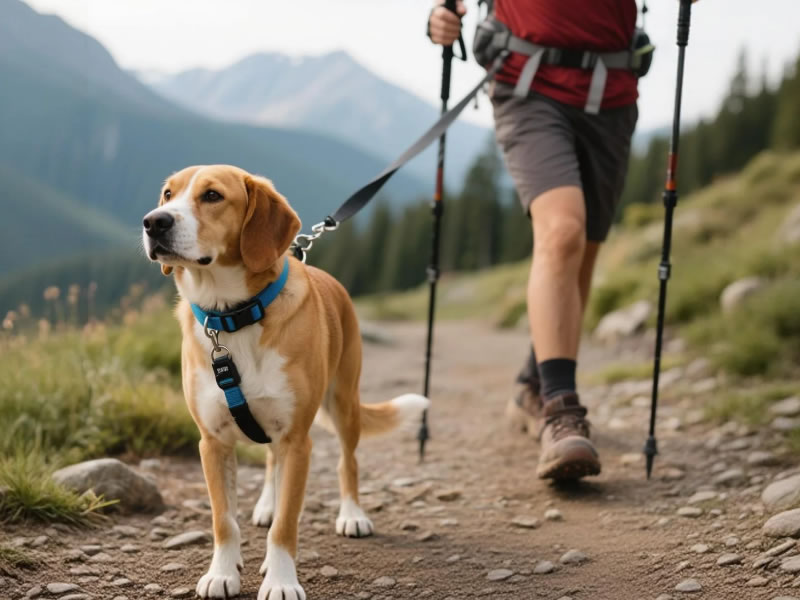
Recommended trekking pole purchase link: https://s.click.aliexpress.com/e/_c4M7OWaN
The Short Answer
Yes, dedicated dog leash attachments for walking poles are available. These products typically consist of a bungee leash that attaches directly to your waist belt or a specially designed coupler that clips onto your trekking pole. The most common and recommended system is the hands-free waist leash, which attaches to a belt around your waist, allowing you to use both poles freely while your dog is securely connected to your center of gravity. Some brands also offer adapters that clip a standard leash to a pole, but these can create torque and imbalance. For safety and stability, a waist-belt system is vastly superior to a pole-attached leash.
Why a Dedicated Attachment Matters
Walking with a dog while using poles requires careful balance. A sudden tug from your dog can easily throw you off balance if the leash is attached to your hand or your pole. A proper attachment system:
- Centralizes the pull: Attaching the leash to your waist means the force is directed to your core, not your arm, making it much easier to maintain stability.
- Frees your hands: You can use both poles correctly for stability and propulsion, especially on uneven terrain.
- Reduces fatigue: No more gripping a leash and a pole in the same hand.
- Provides shock absorption: Many systems include a bungee section that absorbs sudden lunges, protecting your back and your dog.
Types of Attachments Available
1. Hands-Free Waist Leashes
This is the gold standard for hiking with poles. These systems consist of:
- A wide, padded belt that fits around your waist
- A bungee leash that connects to the belt
- Often, a handle on the leash for additional control
- Some models include a tangle-free swivel to prevent twisting
How to use: You clip your dog to the belt, adjust the length, and then use your poles normally. Your dog is attached to your center of gravity, and the bungee absorbs shocks.
Recommended brands:
- Ruffwear Roamer: A high-quality, durable system with a locking carabiner and a bungee section. The leash can be worn as a belt or attached to a pack.
- Kurgo Impact: Another excellent hands-free leash with a padded belt and strong bungee.
- Tuff Mutt Hands-Free Leash: A budget-friendly option with a reflective strip and a dual-handle design.
2. Pole-Mounted Leash Adapters
These are less common and generally less recommended for serious hiking. They typically involve a clip or carabiner that attaches the leash to the pole shaft or grip. The primary issue is that any pull from your dog creates torque on the pole, which can twist it in your hand or pull you off balance.
How to use: You clip your existing leash to a small adapter on your pole.
Pros: No extra gear; you use your existing leash.
Cons: Poor stability; can damage the pole; can cause you to drop the pole if your dog lunges.
3. Combination Systems (Waist + Pole Tether)
Some advanced setups combine a waist belt with a short tether that attaches to a pole as a backup. This is more common in skijoring or canicross (dog-powered running) but can be adapted for hiking.
Choosing the Right System for Your Dog
| Dog Size/Behavior | Recommended System | Notes |
|---|---|---|
| Small, calm | Waist belt | Any quality hands-free leash works |
| Medium, occasional pull | Waist belt with bungee | Absorbs surprise lunges |
| Large, strong puller | Heavy-duty waist belt (Ruffwear, Non-stop Dogwear) | Look for a wide belt and a strong, short bungee |
| Reactive | Waist belt + handle | A leash with a handle near the clip gives you extra control |
| Multiple dogs | Coupler + waist belt | Use a coupler to attach both dogs to the same belt |
Safety Considerations
- Never attach a leash to your wrist strap. If your dog pulls, you could be dragged or your wrist could be injured.
- Practice first. Walk with the waist belt and poles on familiar, flat ground before hitting the trails.
- Check your gear. Ensure all clips and carabiners are secure. Bungee sections can wear out over time.
- Carry a backup leash. A standard leash in your pack is essential in case the attachment system fails.
- Consider your dog's training. A dog that is reactive or has poor recall may not be ready for hands-free hiking. Work on basic obedience first.
How to Hike with Poles and a Waist Leash
- Fit the belt snugly around your waist, low on your hips (like a hiking pack belt).
- Attach your dog with enough leash length that they can walk comfortably beside or slightly ahead of you.
- Use your poles normally. The bungee leash will move with your gait.
- On steep sections, shorten the leash by holding the handle or using the adjuster to keep your dog close.
- When you stop, step on the leash or hold the handle to prevent your dog from wandering.
What About Using a Regular Leash with a Pole?
If you don't have a hands-free system, the safest way to use a regular leash with poles is to loop the leash handle around your wrist (not your pole) and hold the leash and one pole in the same hand. This is not ideal, but it allows you to drop the leash quickly if needed. Never wrap the leash around your hand or wrist tightly.
What Experienced Dog Hikers Say
"I tried using a pole-mounted clip, and the first time my dog saw a deer, the pole twisted and I nearly lost it," shares Michael, who hikes with his German Shepherd. "Switched to a Ruffwear waist belt, and it's been a game-changer. I can use both poles, my dog has freedom, and the bungee absorbs all the lunges."
"The waist leash is essential when I'm hiking with my two Labs," says Sarah, an avid trail runner and hiker. "I use a coupler to attach both to the same belt, and my hands are free for my poles. It's the only way I can manage both dogs safely."
The Bottom Line
Dedicated dog leash attachments for walking poles are readily available, with hands-free waist leashes being the most practical and safe option for hikers. By attaching your dog to your center of gravity rather than your pole or hand, you free your hands for proper pole use, improve your stability, and reduce fatigue. Whether you choose a premium system from Ruffwear or a budget-friendly alternative, investing in the right attachment will make your shared adventures safer and more enjoyable for both you and your canine companion.
Disclaimer: This article provides general information about gear selection for hiking with dogs. Always ensure your dog is physically fit for the trail, carries proper identification, and is under control at all times.




