




Walking poles for guided tours – rental vs bringing own?
When you book a guided hiking tour—whether it’s a day trip in a national park, a multi‑day trek in the mountains, or a cultural walking tour through historic trails—one question often arises: should you rent walking poles at the destination or bring your own? The answer depends on your travel style, physical needs, and the specifics of the tour. Both options have distinct advantages, and understanding them will help you make the right choice for a comfortable, enjoyable experience.
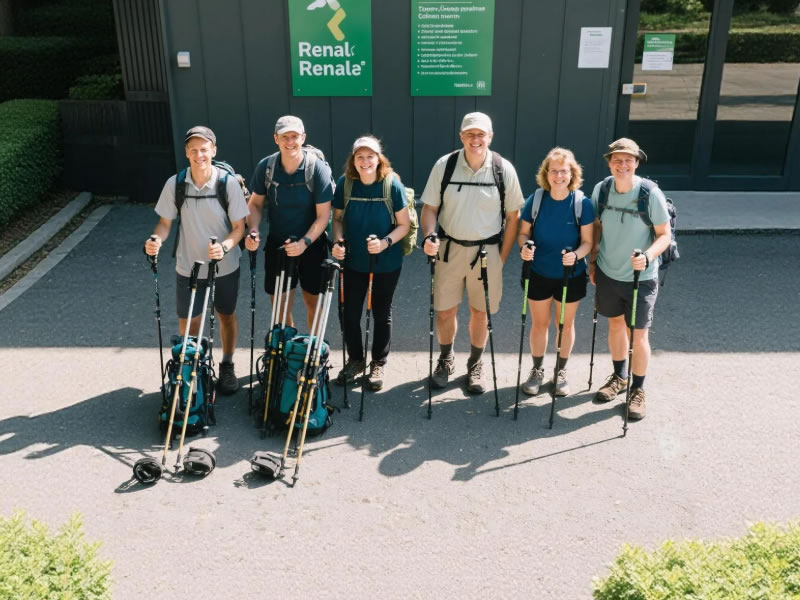
Recommended trekking pole purchase link: https://s.click.aliexpress.com/e/_c4M7OWaN
The Case for Renting Walking Poles
For many travelers, renting poles is the simplest and most practical option.
1. No Airline Hassle
Walking poles are often too long to fit in carry‑on luggage and may be considered sporting equipment by airlines, incurring checked baggage fees. Renting eliminates the need to pack, transport, or risk losing your poles during travel.
2. Local Terrain Expertise
Reputable tour operators typically provide poles suited to the local environment. If your trek involves rocky ascents, they’ll offer poles with carbide tips; if it’s a paved or gentle trail, they’ll supply rubber‑tipped poles. You benefit from gear selected by professionals who know the conditions intimately.
3. Reduced Weight and Bulk
Traveling light is a priority for many hikers. Skipping poles frees up space in your luggage for other essentials—especially valuable if you’re combining city touring with outdoor adventures.
4. Try Before You Buy
If you’re new to using poles or considering a future purchase, renting allows you to test different styles (cork grips vs. foam, lever locks vs. twist locks) without commitment.
Potential Drawbacks of Renting
- Quality varies – Not all rental gear is well‑maintained. Poles may have worn tips, loose locks, or uncomfortable grips.
- Fit uncertainty – You may receive poles that don’t adjust to your ideal height, especially if the tour supplies one‑size‑fits‑all models.
- Availability – During peak seasons, rental inventory can run low. Always confirm availability when booking.
The Case for Bringing Your Own Poles
For dedicated hikers or those with specific needs, packing personal poles offers unmatched reliability.
1. Perfect Fit and Familiarity
Your own poles are set to your exact height, with grips that suit your hands and straps adjusted to your preference. There’s no learning curve—you can walk confidently from the first step.
2. Hygiene and Comfort
Rental poles may have been handled by dozens of users. If you’re particular about cleanliness or have sensitive skin, bringing your own ensures a sanitary grip.
3. Quality Assurance
You know the condition of your gear. There’s no risk of receiving poles with hidden cracks, worn tips, or failing locks halfway through a challenging climb.
4. Consistency for Training
If you use poles regularly for fitness or rehabilitation, maintaining your usual gear keeps your gait and muscle engagement consistent—important for longer tours.
Potential Drawbacks of Bringing Your Own
- Travel restrictions – Poles must typically be checked or shipped ahead. Some airlines classify them as “sporting equipment” with extra fees.
- Risk of loss or damage – Baggage mishandling can leave you without poles at your destination.
- Bulky packing – Even collapsible poles take up space that could otherwise hold souvenirs or clothing.
Key Factors to Consider
| Factor | Rent | Bring Own |
|---|---|---|
| Cost | $5–$15 per day typically | Upfront purchase cost; airline fees |
| Convenience | No packing or baggage | Full control over gear |
| Fit | Variable | Exact personal fit |
| Hygiene | Shared | Personal |
| Reliability | Depends on operator | Known condition |
| Best for | Casual travelers, first‑time users | Regular hikers, specific needs |
How to Decide
Rent if:
- You’re flying and prefer to travel with carry‑on only.
- The tour includes pole rental in the package price.
- You’re new to hiking poles and want to try them out.
- You’re joining a well‑established outfitter with excellent gear reviews.
Bring your own if:
- You use poles for medical reasons (joint support, balance).
- You have high‑end poles you trust and prefer.
- The tour involves technical terrain where gear familiarity matters.
- You’re driving to the destination or traveling without flight restrictions.
Tips for Either Choice
If renting:
- Contact the tour operator ahead of time to confirm pole availability and quality.
- Ask about tip types—rubber tips are safer for group walking and paved sections.
- Arrive early to adjust poles properly before the tour begins.
If bringing your own:
- Pack poles in a padded bag to protect them and your luggage.
- Use rubber tips for group settings to prevent accidental injury to fellow hikers.
- Check airline policies well in advance; some allow poles as checked luggage with proper packaging.
Final Thoughts
The choice between renting and bringing your own walking poles for a guided tour ultimately balances convenience against familiarity. For spontaneous travelers and those new to poles, renting from a reputable operator offers a hassle‑free way to enjoy the trail with locally suited gear. For dedicated hikers who value the precision of their own equipment, packing personal poles ensures comfort, hygiene, and confidence. Whichever you choose, arriving with a clear plan means you’ll spend less time fussing over gear and more time soaking in the scenery—which is, after all, why you booked the tour.




