




Trekking Poles Sustainable cork harvesting for grips?
For hikers who spend hours on the trail, the grip of a trekking pole is more than a handle—it’s the interface between effort and control. Among the various materials used—rubber, foam, silicone—cork stands apart not only for its exceptional comfort but for its remarkable environmental story. When you choose trekking poles with cork grips, you are holding a product of one of the oldest and most sustainable agricultural systems on Earth. Understanding how cork is harvested reveals why this natural material deserves a place in every eco‑conscious hiker’s gear closet.
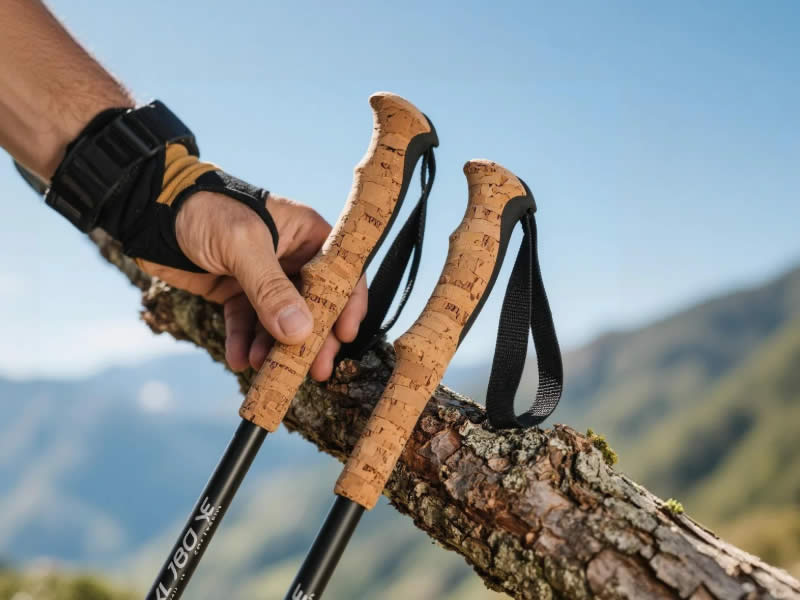
Recommended trekking pole purchase link: https://s.click.aliexpress.com/e/_c4M7OWaN
Why Cork Makes Exceptional Trekking Pole Grips
Before exploring sustainability, it’s worth understanding why cork is so prized for grips:
- Moisture management – Cork naturally wicks sweat away from the palm, ensuring a secure grip even on hot, strenuous climbs.
- Ergonomic molding – Over time, cork conforms to the unique contours of your hand, reducing pressure points and fatigue.
- Antimicrobial properties – The suberin in cork naturally resists bacteria and fungi, preventing odors and maintaining hygiene.
- Thermal neutrality – Cork stays cooler in summer heat and warmer in cold weather compared to synthetic materials.
- Biodegradability – At the end of its life, cork can be composted, unlike petroleum‑based foam or rubber.
These performance benefits alone make cork a preferred choice for many trekkers. But its sustainability credentials elevate it further.
The Ancient Practice of Cork Harvesting
Cork is the bark of the cork oak tree (Quercus suber), native to the western Mediterranean—primarily Portugal, Spain, and Morocco. The harvesting process is a masterclass in sustainability:
- No trees are cut – Harvesters strip only the outer bark, leaving the tree intact and healthy.
- Nine‑to‑twelve‑year cycles – The bark regenerates fully between harvests. A single cork oak can be harvested a dozen or more times over its 200‑year lifespan.
- Handcrafted skill – Skilled workers (descortiçadores) use specialized axes to peel the bark in precise panels without damaging the inner cambium layer.
- Carbon benefits – Regrowing bark absorbs significantly more carbon dioxide than unharvested trees, making cork oak forests powerful carbon sinks.
This cycle has been practiced for centuries, sustaining both forests and rural communities without depleting natural resources.
Biodiversity and Ecosystem Protection
Cork oak forests—known as montados in Portugal and dehesas in Spain—are among Europe’s most biodiverse landscapes. They support:
- Endangered species – Including the Iberian lynx, imperial eagle, and Barbary deer.
- Soil conservation – The trees prevent desertification and maintain groundwater in fragile Mediterranean ecosystems.
- Fire resistance – Cork oak bark is naturally fire‑resistant, helping protect landscapes from wildfires.
- Economic stability – Sustainable harvesting provides year‑round employment, discouraging land conversion to less sustainable uses like intensive agriculture or eucalyptus plantations.
When you purchase trekking poles with cork grips, you are indirectly supporting the preservation of these vital ecosystems.
FSC Certification: What to Look For
Not all cork is harvested responsibly. To ensure your trekking pole grips come from well‑managed forests, look for the Forest Stewardship Council (FSC) label. FSC certification guarantees:
- Responsible harvesting – Bark removal follows strict protocols that protect tree health.
- Biodiversity protection – Forest management maintains native species and ecological processes.
- Worker rights – Harvesters receive fair wages and safe working conditions.
- Chain of custody – The cork can be traced from forest to finished product.
Several trekking pole brands use FSC‑certified cork, including Leki, Komperdell, and select models from other manufacturers. Checking for certification ensures your grip choice aligns with your environmental values.
The Challenge of Synthetic Alternatives
Despite cork’s advantages, many trekking poles use synthetic grips made from EVA foam, rubber compounds, or silicone. These materials are:
- Petroleum‑based – Derived from fossil fuels.
- Energy‑intensive – Require significant manufacturing energy.
- Non‑biodegradable – Persist in landfills for centuries.
- Often unrecyclable – Mixed materials make recycling difficult.
Choosing cork over synthetics sends a market signal that sustainability matters. As demand for cork grips grows, more brands invest in responsibly sourced materials, helping preserve cork oak landscapes for future generations.
Caring for Cork Grips
Cork grips are durable but benefit from basic care:
- Clean with mild soap and water – Avoid harsh chemicals that can degrade natural fibers.
- Allow to dry naturally – Do not expose to prolonged direct heat.
- Light sanding – Over years, cork can become smooth; a light sanding with fine grit restores texture.
- Replace when worn – Some brands offer replaceable grip components, extending the life of your poles.
Beyond Grips: Cork in Other Outdoor Gear
Cork’s sustainability and performance have led to its adoption beyond trekking pole grips:
- Cork handles on fishing rods and paddles
- Cork yoga blocks and mats
- Cork wallets and accessories from eco‑conscious brands
- Cork insulation in outdoor apparel
Each of these applications supports the same sustainable harvesting economy.
Final Thoughts
When you hold a trekking pole with a natural cork grip, you’re not just enjoying superior comfort and control—you’re participating in a centuries‑old tradition of sustainable forestry. Cork oak forests are living examples of how human industry can coexist with thriving ecosystems. By choosing FSC‑certified cork grips, supporting brands committed to sustainability, and maintaining your gear for the long haul, you make your treks lighter on the planet. In a world where outdoor gear often carries a heavy environmental cost, cork grips offer a small but meaningful way to tread more gently—one stride at a time.




