




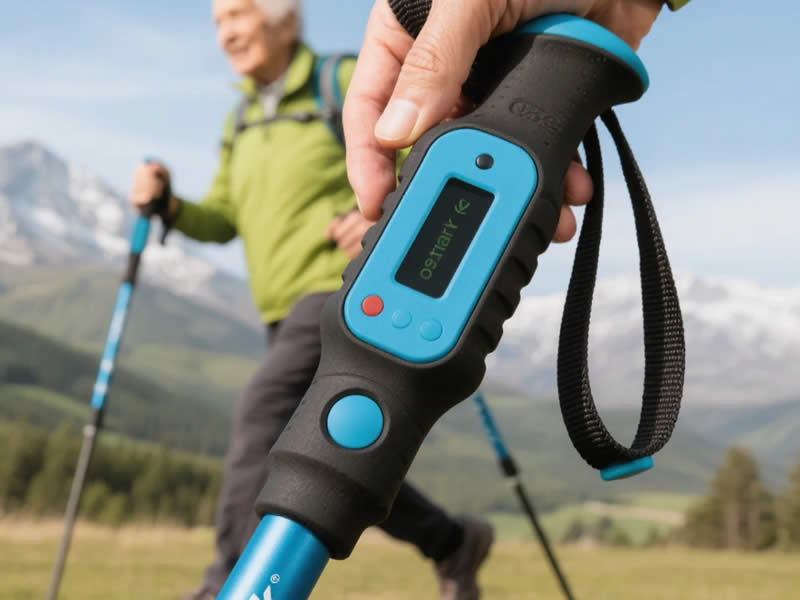
Smart Trekking Poles with fall detection for seniors?
As the global population ages, more seniors are embracing outdoor activities like hiking and Nordic walking to maintain mobility, balance, and overall health. Trekking poles have long been a staple for older adults, offering stability and reducing joint impact. But could technology make them even safer? Enter smart trekking poles equipped with fall detection sensors, GPS tracking, and emergency communication. The idea is compelling: a pole that not only supports your stride but also alerts help if you fall. However, as of 2026, the market for such devices remains nascent, with limited options and important caveats. This article explores the current landscape, potential benefits, and practical alternatives for seniors seeking fall protection on the trail.
Recommended trekking pole purchase link: https://s.click.aliexpress.com/e/_c4M7OWaN
What Are Smart Trekking Poles with Fall Detection?
Smart trekking poles integrate electronics into traditional pole designs. Key features may include:
- Fall detection sensors – Accelerometers and gyroscopes that detect sudden impacts or unusual orientations consistent with a fall.
- GPS tracking – Real-time location sharing with designated contacts or monitoring services.
- Automatic emergency alerts – Upon detecting a fall, the pole sends a notification (via cellular or satellite) to caregivers, family members, or a professional monitoring center.
- Two‑way communication – Some concepts include built-in speakers and microphones for voice calls.
- Activity tracking – Step count, distance, pace, and calories burned, similar to fitness wearables.
These features aim to give seniors and their families peace of mind, especially for those who walk alone or live independently.
Current Availability (2026)
As of this writing, fully functional smart trekking poles with integrated fall detection are extremely rare. Most products remain in prototype or niche medical device categories. A few examples:
- Siren Care (concept stage) – Known for smart socks, they have explored smart pole prototypes but no commercial release.
- Medical alert brands – Some companies like MobileHelp or Medical Guardian offer wearable pendants and wristbands, but not poles.
- Startups – Occasional Kickstarter campaigns appear, but few reach mass production due to cost, durability, and battery life challenges.
In contrast, traditional trekking poles are widely available, reliable, and affordable. The smart versions face hurdles:
- Battery life – GPS and cellular modules drain quickly; hikers may forget to charge.
- Durability – Electronics must withstand impacts, moisture, dust, and temperature extremes.
- Weight – Adding sensors and batteries increases weight, counteracting the pole’s primary benefit for seniors.
- Cost – Smart poles could cost $200–400 or more, compared to $40–100 for quality standard poles.
Are They a Good Idea for Seniors?
The concept has merit, but practical considerations matter:
Pros:
- Passive safety – No need to press a button; fall detection works automatically.
- Integrated design – No extra device to wear or forget.
- Encourages activity – Knowing help is available may motivate seniors to walk more.
Cons:
- False alarms – Dropping the pole or a vigorous plant might trigger detection, causing unnecessary alerts.
- Missed falls – Sensors may not detect slow, sideways, or gradual falls common in elderly.
- Accessibility – If the pole is dropped or out of reach after a fall, the alert may not trigger.
- Complexity – Seniors may struggle with charging, pairing, or app configuration.
Better Alternatives Available Today
For most seniors, a tried‑and‑true combination offers superior reliability:
- Medical alert necklace or watch – Devices like Apple Watch (fall detection), Lively, or Bay Alarm Medical provide proven fall detection and emergency calling. They remain on your body even if poles are dropped.
- Standard trekking poles – Lightweight, adjustable, with comfortable grips. Use rubber tips for safety.
- Smartphone with location sharing – Enable “find my friends” or share your location with a trusted contact before each hike.
- Personal Locator Beacon (PLB) – For remote trails, a PLB (e.g., Garmin inReach) allows two‑way messaging and SOS.
This layered approach costs less, works more reliably, and uses mature technology.
What to Look for If You Want Smart Poles
If you are determined to try smart trekking poles, consider these features:
- Long battery life – At least 10–20 hours of active use.
- Water resistance – IP67 or higher.
- Replaceable tips and baskets – Standard parts compatibility.
- Lightweight – Under 350g per pole including electronics.
- No subscription required – Some devices need monthly fees for cellular service.
Always test the fall detection in safe conditions before relying on it.
Expert Recommendations
Geriatric specialists and physical therapists generally advise:
- Prioritize physical balance training – No gadget replaces strength and proprioception exercises.
- Use standard poles with proper technique – Learn to plant correctly and adjust height.
- Carry a medical alert device on your body – Not attached to removable gear.
- Walk with a buddy – The best fall detection is another person.
The Future Outlook
As sensor technology becomes smaller, cheaper, and more power‑efficient, smart trekking poles may become viable. Integration with satellite networks (e.g., Iridium) could eliminate cellular dead zones. However, widespread adoption is likely still 3–5 years away. Until then, seniors should not delay enjoying the benefits of traditional trekking poles while using dedicated wearable fall detection.
Final Thoughts
Smart trekking poles with fall detection for seniors are an intriguing idea but not yet a practical reality for most. The few available options are either prototypes, unreliable, or prohibitively expensive. For now, the safest approach combines standard trekking poles (for stability and joint relief) with a wearable medical alert device (for fall detection and emergency response). This hybrid solution offers the best of both worlds: the proven benefits of poles and the peace of mind of modern technology. As the industry evolves, we may one day see truly smart poles. Until then, step outside with confidence using the reliable tools already at hand.




