




Best Trekking Poles for outdoor education instructors?
Outdoor education instructors lead groups of students on trails, teaching navigation, ecology, and outdoor skills. Whether you work for a school, a summer camp, a university outdoor program, or a nature center, your trekking poles need to withstand constant use by different people, rough handling, and diverse terrain. You also need poles that are easy to adjust, safe for group settings, and affordable enough to buy in quantity. This guide explains the key features instructors should look for and recommends specific models.
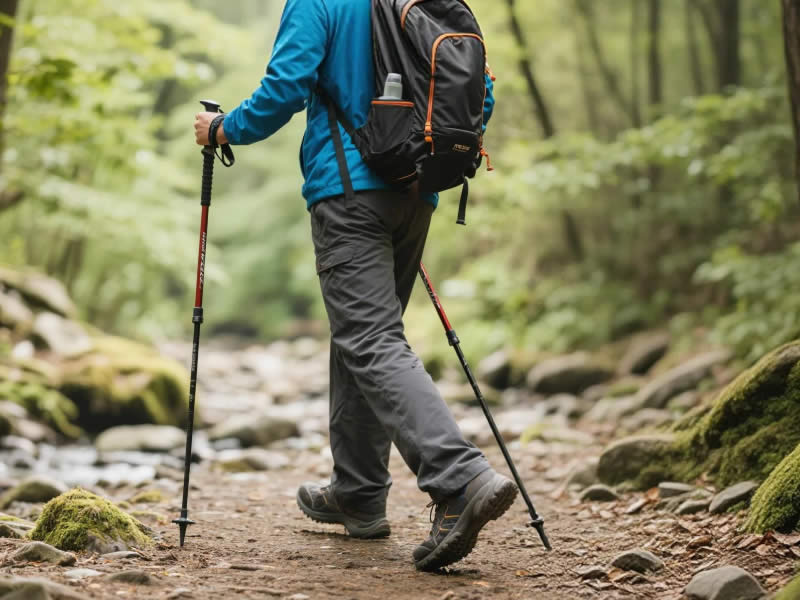
Recommended trekking pole purchase link: https://s.click.aliexpress.com/e/_c4M7OWaN
Why Instructors Need Special Poles
Unlike individual hikers, instructors face unique demands:
- Frequent adjustments – Students come in all heights; poles must be resized constantly.
- Durability – Poles get dropped, jammed between rocks, and used as tent poles or roasting sticks.
- Safety – In a group, swinging poles can injure others; sharp carbide tips are a hazard on pavement.
- Ease of teaching – Simple, intuitive locks and straps reduce instruction time.
- Bulk purchasing – Programs often buy 10–50 pairs at once; cost and consistency matter.
Top Features for Instructor Poles
1. Aluminum Shafts – No Carbon Fiber
Carbon fiber is lightweight but brittle. Students will abuse poles – carbon can snap under lateral stress. Aluminum bends but rarely breaks, and it’s much cheaper. Look for 6061 or 7075 aluminum.
2. Flip Locks (Lever Locks) – Essential
Flip locks are visual, easy to operate, and reliable. Twist locks confuse beginners and slip when dirty. With flip locks, you can say “close the lever until it’s tight” – students get it immediately.
3. Cork Grips – Comfort for All Hand Sizes
Cork grips are comfortable, wick sweat, and fit a wide range of hand sizes. They don’t become sticky like rubber. Foam grips wear out too quickly. Cork is worth the small premium.
4. Rubber Tips (Paws) – Non‑Negotiable for Safety
Carbide tips are sharp and loud on pavement. For group hikes, rubber tips must be used at all times. They prevent accidental puncture wounds, reduce noise (important for wildlife observation), and protect school floors if poles are brought indoors. Buy spare rubber tips in bulk.
5. Clear Length Markings
Poles with printed centimeter markings (e.g., “100, 110, 120…”) allow you to quickly set each student’s pole to the correct height using the wrist‑crease rule. No guessing.
6. Simple, Padded Wrist Straps
Straps should be wide, padded, and easy to adjust. Quick‑release systems (like Leki Trigger) are nice but add cost. For most instructors, standard adjustable straps are fine. Teach the “hand up through the strap” method.
7. Bright Colors
Bright orange, red, yellow, or blue poles are easy to spot in the woods, help students identify their pair, and look cheerful. Avoid black or camo.
8. Replaceable Tips and Baskets
Inevitably, tips will wear out. Choose poles with user‑replaceable carbide tips. Interchangeable baskets (small for dirt, larger for snow/mud) add versatility.
Top Recommended Poles for Outdoor Education Instructors
Best Budget Option: Cascade Mountain Tech Aluminum (Cork Grip)
- Shaft: 6061 aluminum
- Locks: Flip locks
- Grip: Cork
- Tips: Replaceable carbide
- Weight: ~240g per pole
- Price: $50–70 per pair (bulk discounts available)
- Why it’s great: Affordable, durable enough for student use, cork grips comfortable. The best value for programs buying many pairs.
Best Value with Lifetime Warranty: TrailBuddy Trekking Poles
- Shaft: Aluminum
- Locks: Quick locks (flip style)
- Grip: Cork
- Includes: Rubber tips, carrying bag, spare tip set
- Price: ~$60 per pair
- Why it’s great: Lifetime warranty – if a student breaks a pole, TrailBuddy replaces it. That’s peace of mind for instructors.
Premium Option: Leki Makalu
- Shaft: 7075 aluminum
- Locks: Flip locks with metal cams
- Grip: Cork with extended foam choke grip
- Tips: Replaceable carbide (widely available)
- Weight: ~260g per pole
- Price: $120–150 per pair
- Why it’s great: Extremely durable, comfortable for all‑day teaching, and every part is replaceable. Worth it for instructors who use poles daily.
Bulk Purchasing and Logistics
Contact manufacturers directly for bulk discounts (typically 10–20% off for 10+ pairs). Cascade Mountain Tech, TrailBuddy, and Leki all have education or group sales programs. Order extra rubber tips (at least one 4‑pack per pair), extra baskets, and a few spare poles. Store poles in a dry, ventilated area. Use a simple checkout system (label poles with numbers) to track who used which pair – helpful for hygiene and damage tracking.
Teaching Tips for Using Poles with Students
- Pre‑hike instruction (15 minutes): Demonstrate adjustment (wrist crease rule), strap use, opposite arm/leg rhythm, and safe spacing (one pole length between hikers).
- Rubber tips on at all times: Check before every hike. Have spares in your pack.
- No wrist straps during high‑risk activities: For river crossings or steep scrambles, have students remove straps or hold poles without strapping in.
- Pole checks during breaks: Quickly inspect locks and tips. Tighten any loose levers.
- Evening maintenance: Clean mud from locks, dry poles, and check for damage. Tighten flip lock screws as needed (small Phillips screwdriver).
- Use poles as teaching tools: “Notice how the pole gives you stability on loose rocks – that’s like having good friends to lean on.”
Safety Considerations for Group Settings
- Spacing rule: Maintain at least one pole’s length (about 4–5 feet) between hikers to avoid stepping on tips or being poked.
- No sideways swinging: Teach students to plant poles forward, not to swing them like golf clubs.
- Carrying poles when not in use: When stopping for a break, have students plant poles vertically or lay them flat. Never leave poles lying across a trail.
- Emergency use: In rare cases, poles can be used to splint an injury or support a tarp – but instructors should carry dedicated first aid gear.
Hygiene and Maintenance
Shared poles can spread sweat and dirt. Clean grips and straps with disinfectant wipes between program groups. Cork grips can be lightly sanded to remove surface grime. Rubber tips can be washed with soap and water. Inspect locks for mud – a toothbrush works well.
Final Thoughts
Outdoor education instructors need trekking poles that are durable, safe, easy to adjust, and affordable in bulk. Aluminum shafts, flip locks, cork grips, rubber tips, and bright colors are non‑negotiable. The Cascade Mountain Tech aluminum poles offer the best value for most programs, while TrailBuddy provides a lifetime warranty for added peace of mind. For instructors who use poles daily, the Leki Makalu is a premium investment. With proper instruction and safety protocols, trekking poles will enhance your students’ experience – building confidence, reducing falls, and making the trail accessible to everyone. Happy teaching.




