




Naming your walking poles – common?
If you’ve ever spent a long day on the trail, you know that trekking poles can start to feel like more than just gear. They click along beside you, bear your weight, save you from stumbles, and silently witness your struggles and triumphs. For many hikers, this bond naturally leads to giving their poles names. But is it common? The answer: more than you might think. While not everyone does it, naming walking poles is a quiet tradition in long‑distance hiking communities and among solo adventurers. This article explores why hikers name their poles, how they choose names, and what it reveals about the human connection to our tools.
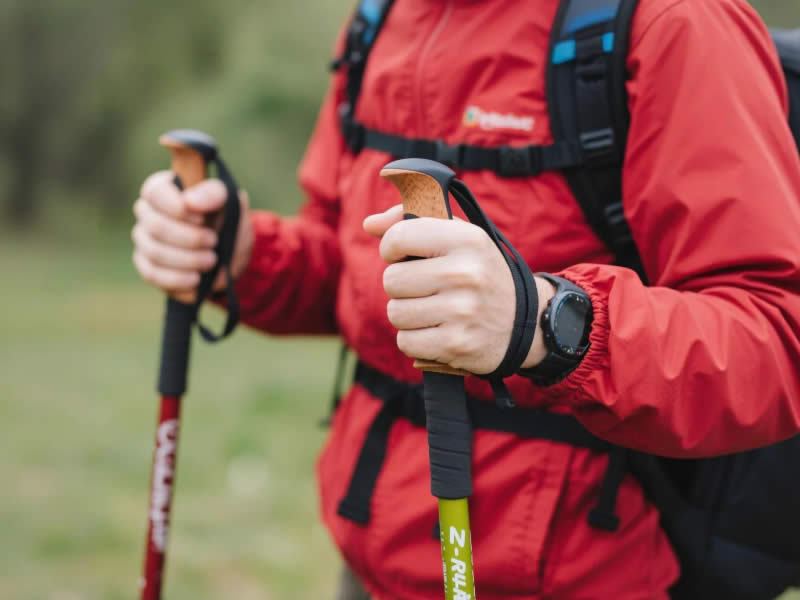
Recommended trekking pole purchase link: https://s.click.aliexpress.com/e/_c4M7OWaN
Why Name a Pair of Poles?
On a superficial level, naming a walking pole seems silly. It’s a manufactured object, not a pet. But after hundreds of miles, the line between tool and companion blurs. Poles are the only piece of gear that your hands touch constantly. They move with your rhythm, respond to your commands, and take the brunt of every rocky descent. In a very real sense, they become an extension of your body. Giving them a name acknowledges that relationship.
For thru‑hikers, who spend months on a single trail, poles are among the few constants. Your tent might change, your shoes wear out, but a good pair of poles can last the entire journey. They become part of your trail identity. When you wake up in a shelter and reach for your poles, you are reaching for something familiar in a world of uncertainty. Naming them humanizes the experience.
How Common Is It?
There is no scientific survey, but anecdotal evidence from hiking forums, trail journals, and personal interviews suggests that naming poles is moderately common, especially among long‑distance hikers. On the Appalachian Trail and Pacific Crest Trail, you will meet dozens of hikers who refer to their poles by name. Among day hikers and weekend warriors, it is less frequent but not rare. Some people name every pair they own; others never think about it.
Online communities like Reddit’s r/ultralight and r/hiking occasionally see threads asking, “Does anyone else name their trekking poles?” The responses often surprise newcomers: many hikers admit to it, often with humorous or sentimental names.
Popular Names and Themes
The names hikers choose fall into several categories:
- Classic human names – “Lefty” and “Righty” (left and right pole), “Bert” and “Ernie,” “Bonnie” and “Clyde.”
- Literary or fantasy references – “Gandalf” (because walking sticks), “Merry” and “Pippin,” “Strider,” “Dumbledore.”
- Puns and wordplay – “Stick” (simple), “Pole Position,” “Pointy,” “Click and Clack” (the sound of carbide tips).
- Emotional or memorial names – Named after a loved one, a passed pet, or a significant life event. “Dad’s Poles” or “Buddy.”
- Trail‑specific names – “AT,” “PCT,” “Whitney,” “Katahdin.”
- Functional descriptors – “The Old Reliables,” “Slippery” (if the locks slip), “Squeaky” (if the straps need oil).
Some hikers name each pole individually; others give the pair a single joint name. Some use the names only internally; others announce them to trail friends.
The Ritual of Naming
For many, naming a pole is not a casual act. It happens after a significant event: saving a fall, completing a hard climb, or surviving a storm. The name is earned. One hiker told me, “I didn’t name my poles until they saved me from sliding down a scree slope. After that, they became ‘Anchor’ and ‘Trust.’” Others name poles before a long hike as a way of setting intention: “I call them ‘Resolute’ and ‘Steady’ because that’s how I want to walk.”
Some thru‑hikers hold a small “naming ceremony” at a trail landmark – a mountain pass or a shelter – often with friends and a shared snack. It becomes a memory in itself.
Psychological Benefits
Naming objects is a well‑known psychological phenomenon called anthropomorphism – attributing human traits to non‑human things. Research suggests that anthropomorphism can increase emotional attachment, reduce stress, and improve performance. When you name your poles, you are more likely to care for them: clean the locks, replace worn tips, and store them properly. You are also more likely to trust them in challenging terrain, which can improve your balance and confidence.
On a solo hike, naming your poles can combat loneliness. Talking to “Stick and Stone” may feel odd at first, but after a few lonely miles, it becomes a comfort. Many solo hikers admit to chatting with their poles about route decisions, complaining about the weather, or just saying “good morning.”
Do Guides and Professionals Name Their Poles?
Professional mountain guides and outdoor instructors are less likely to name their poles, though some do privately. The gear is often borrowed, shared, or replaced frequently. However, many guides have a favorite personal pair that they use for decades – and those often have names. One guide I met had poles called “Old Faithful” and “New Kid” (the newer replacement for a broken pole). Another had poles named after his two children.
How to Name Your Own Poles
If you’ve never considered naming your poles, try it as an experiment. After a satisfying hike, look at your poles. Notice the scratches, the worn grip, the way they lean together. Ask yourself:
- What do these poles make me feel? Safe? Capable? Adventurous?
- Is there a story that stands out – a fall they prevented, a summit they helped me reach?
- Do they have a personality? Are they sturdy and reliable, or light and quick?
Then pick a name that feels right. It can be silly, serious, or somewhere in between. Write it on the shaft with a permanent marker or a small engraved tag. See if it changes how you feel about them.
Final Thoughts
Naming your walking poles is not universal, but it is far from rare. Among dedicated hikers, especially long‑distance trekkers, it is a common and cherished tradition. It transforms gear into companion, function into story. Whether you call them “Stick 1” and “Stick 2” or give them elaborate names from fantasy novels, the act of naming acknowledges the quiet partnership between hiker and pole. So next time you set out on a trail, consider giving your poles a name. They’ve earned it. And who knows? They might just answer.




