




How to prevent camping stove explosions?
Camping stove explosions are rare but catastrophic, often caused by preventable mistakes like fuel leaks, improper setup, or environmental hazards. Whether you’re a weekend car camper or a backcountry adventurer, understanding these risks and mastering safety protocols can save lives. Here’s how to avoid explosions and ensure every outdoor meal is safe and stress-free.
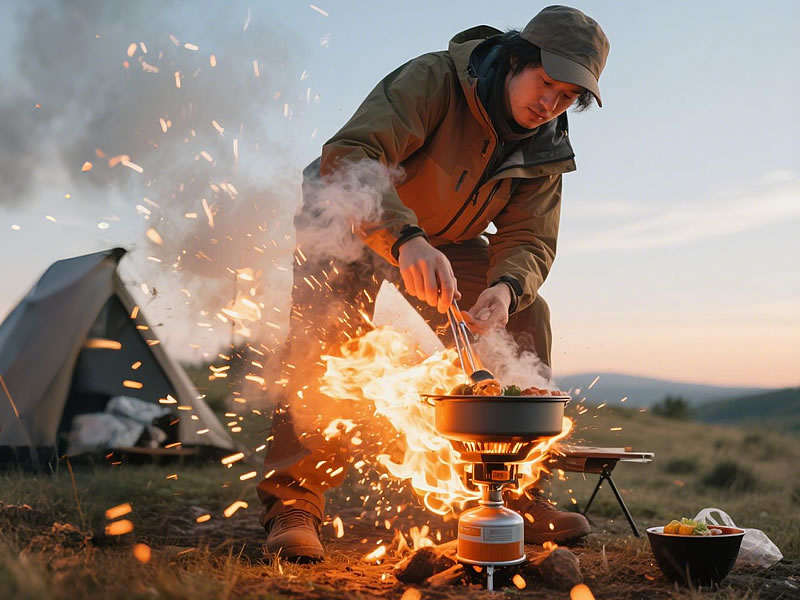
Why Do Camping Stoves Explode?
- Fuel Leaks:Propane/isobutane canisters leaking due to cracked seals or loose connections.Liquid fuel spills (white gas, gasoline) pooling near flames.
- Overpressurization:Exposing canisters to heat (e.g., left in a hot car) causes gas expansion.Damaged fuel lines or valves failing under pressure.
- User Error:Igniting stoves before fuel lines are primed (liquid fuel models).Tipping unstable stoves with pots exceeding burner size.
- Environmental Risks:Using stoves in enclosed spaces (tents, cars) traps explosive fumes.High winds blowing flames into fuel sources.
7 Explosion Prevention Strategies
1. Leak Detection & Maintenance
- Pre-Trip Check:Apply soapy water to fuel connections and valves. Bubbles = leaks.Replace cracked O-rings (common in Jetboil and MSR models).
- Post-Trip Care:Clean burner jets with a needle tool to prevent clogs.
2. Safe Fuel Handling
- Canisters:Store upright, away from heat (max 120°F). Never puncture or burn.
- Liquid Fuel:Fill tanks to 80% capacity (leave air space for expansion).Use a funnel to avoid spills.
3. Stable Setup Protocol
- 3-Point Stability Test:Place stove on flat, non-flammable surfaces (rock, dirt).Use a camp stove stand on uneven ground.Ensure pots are centered and ≤2" wider than the burner.
4. Wind Management
- Windshield Rules:Position stoves perpendicular to wind direction.Use MSR’s Reactor System or DIY aluminum foil screens (keep 2" clearance from flames).
- Avoid Gusty Days:Postpone cooking if winds exceed 20 mph.
5. Proper Ignition Sequence
- Gas Stoves:Open fuel valve slightly.Light immediately (prevents gas buildup).Gradually increase flame.
- Liquid Fuel Stoves:Prime for 20–30 seconds (preheats generator tube).Light with a long match or piezo igniter.
6. Environmental Awareness
- Ventilation:Cook at least 10 feet from tents, trees, or gear.
- Fire Bans:Check local alerts (e.g., CAL FIRE or NIFC) during droughts.
7. Emergency Preparedness
- Gear to Pack:Fire Extinguisher: Kidde FA110 (ABC-rated).Fire Blanket: SOL Heavy-Duty Survival Blanket.Burn Kit: Hydrogel bandages and antiseptic.
What to Do If an Explosion Occurs
- Evacuate: Move everyone 30+ feet upwind.
- Suppress: Use a fire extinguisher or dirt (never water on fuel fires).
- Cool Burns: Apply clean water for 10+ minutes.
- Report: Note the incident to the stove manufacturer (e.g., Coleman Safety Recall).
Top Explosion-Prone Stoves & Fixes
| Stove Model | Risk Factor | Prevention |
|---|---|---|
| Coleman Propane | Hose cracks over time | Replace hoses every 2 years |
| MSR WhisperLite | Overpriming causes flare-ups | Prime for ≤30 seconds |
| Jetboil Flash | Canister valve leaks | Use Jetboil CrunchIt tool |
| BRS-3000T | Legs collapse in wind | Add a stabilizer plate |
FAQs
Q: Can a camping stove explode in a car?
A: Yes! Heat expands fuel—never store stoves/canisters in hot vehicles.
Q: How to safely dispose of a leaking canister?
A: Vent gas outdoors, puncture, then recycle via TerraCycle.
Q: Are butane canisters safer than propane?
A: No—both can explode if damaged. Propane handles cold better.
Q: What’s the safest stove for families?
A: Camp Chef Everest 2X with auto-shutoff and wide base.
Pro Tips from Survival Experts
- Practice at Home: Simulate emergencies (e.g., fuel spills) in a controlled space.
- Upgrade Safely: Choose stoves with pressure regulators (e.g., Soto WindMaster) for flame stability.
- Educate Your Group: Ensure everyone knows stove shutdown steps (fuel valve → flame).
The Bottom Line
Most camping stove explosions stem from ignored maintenance or rushed setups. By adopting a meticulous safety routine—leak checks, stable positioning, and emergency drills—you’ll mitigate 99% of risks. Remember: No meal is worth a trip to the ER.
Stay vigilant, prep thoroughly, and cook with confidence!




