




Do trekking poles really reduce joint pain and strain?
If you’ve ever finished a steep descent with aching knees or sore hips, you’ve likely wondered whether trekking poles actually help – or if they’re just extra weight. The short answer is yes, backed by biomechanical research. But how much do they reduce pain and strain, and under what conditions? Let’s examine the evidence.
Recommended trekking pole purchase link: https://s.click.aliexpress.com/e/_c4M7OWaN
What the research says
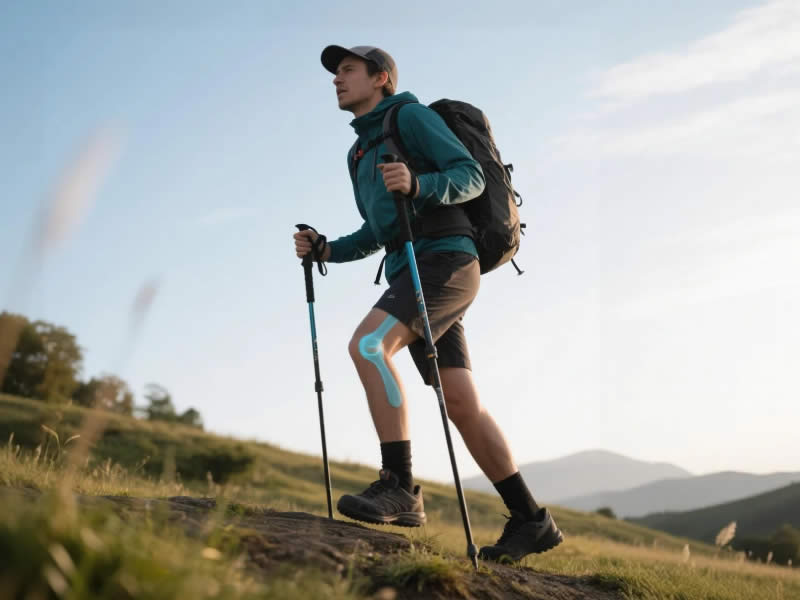
A landmark study published in the Journal of Biomechanics (2012) measured knee joint forces in hikers descending a 15‑degree slope. Using two trekking poles reduced peak knee compression forces by 20–25% compared to no poles. That’s a significant reduction – enough to make the difference between pain‑free hiking and chronic discomfort for many people. Other studies have shown similar reductions for hip and ankle joints, though the effect is most pronounced at the knees.
Why poles reduce joint strain
Your knees absorb force in two ways: from your body weight hitting the ground (impact) and from your muscles braking your descent (eccentric contraction). Trekking poles transfer a portion of that load from your legs to your arms and shoulders. When you plant a pole correctly, your upper body muscles engage, supporting some of the weight that would otherwise go through your knee. Over hundreds or thousands of steps, that 20‑25% reduction adds up to tonnes of spared force.
Which joints benefit most?
- Knees: The primary beneficiary. Descending stairs or steep trails is high‑impact; poles cut the load significantly.
- Hips: Reduced lateral sway and better balance mean less repetitive stress on hip joints.
- Ankles: Poles provide extra points of contact, reducing the risk of rolling an ankle on uneven terrain.
- Lower back: Poles encourage a more upright posture, reducing strain on lumbar discs.
Real‑world experience vs. lab data
Anecdotally, hikers with existing knee arthritis or patellofemoral pain syndrome report that poles allow them to hike distances that would otherwise be impossible. Many physiotherapists prescribe trekking poles as a low‑cost intervention for knee osteoarthritis. The German Alpine Club (DAV) recommends poles for anyone over 45 or with a history of joint problems.
When poles help most
- Steep descents: The steeper the slope, the greater the joint load – and the greater the benefit of poles.
- Heavy backpack: A 15 kg pack multiplies joint forces. Poles become almost essential.
- Long distances: Cumulative fatigue increases strain. Poles spread the workload.
- Uneven, rocky terrain: Poles improve stability, reducing sudden, high‑strain movements (like catching yourself from a fall).
When poles offer less benefit
- Flat, smooth trails: Joint strain is already low. Poles still help posture but the pain‑reduction effect is smaller.
- Uphill only: Uphill puts less eccentric load on knees. Poles help with propulsion but joint protection is minimal.
- Very short walks: The benefit may not be noticeable.
Proper technique is essential
Poles won’t help if you use them incorrectly. Key points:
- Adjust length: shorten for uphill, lengthen for downhill.
- Use wrist straps: hand up through the loop, then grip lightly. The strap bears weight.
- Plant ahead of your body, not beside your feet.
- Use two poles – one pole only protects one knee and unbalances your gait.
Final verdict
Yes, trekking poles do reduce joint pain and strain, particularly in the knees during descents. The 20–25% load reduction is clinically meaningful. For anyone with existing joint issues, carrying a heavy pack, or hiking steep terrain, poles are a proven, inexpensive tool for protecting your joints. They are not a cure for arthritis or a substitute for strengthening, but they are one of the best investments you can make in your long‑term hiking health.




