




What are trekking pole baskets used for?
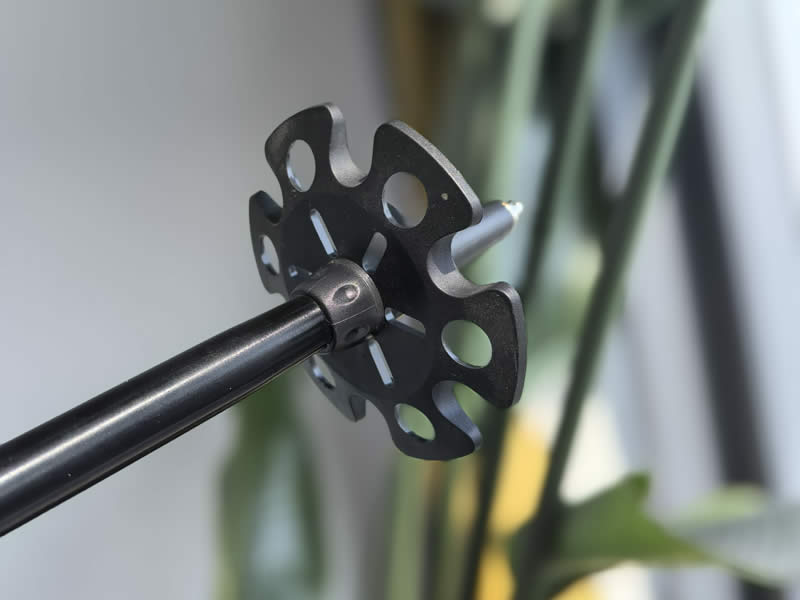
If you’ve ever planted a trekking pole in soft mud or fresh snow and watched it disappear up to the grip, you already understand the need for baskets. These small plastic discs near the tip are one of the most overlooked but essential components of a trekking pole. Here’s everything you need to know about what they do, when to use them, and why they matter.
Recommended trekking pole purchase link: https://s.click.aliexpress.com/e/_c4M7OWaN
The basic function: preventing sinking
A trekking pole basket is a circular or star‑shaped plastic attachment that sits just above the carbide tip. Its primary job is to increase the surface area of the pole where it meets the ground. Without a basket, the pole tip concentrates your entire body weight into a tiny point, easily penetrating soft surfaces. The basket spreads that force over a larger area, stopping the pole from sinking deeper than a few centimetres.
When baskets are essential
- Deep snow: A small summer basket will still sink significantly. Large winter baskets (7–10 cm) keep the pole near the surface, saving your arms from constant deep planting.
- Wet mud or bogs: In spring thaw or after heavy rain, mud can swallow a pole. Baskets prevent the pole from becoming a suction cup.
- Loose sand or scree: On beaches or volcanic gravel, baskets stop the pole from plunging in, providing better stability.
- Soft forest duff: Thick layers of decaying leaves or pine needles can hide rocks. Baskets give you a more consistent plant.
Types of baskets
- Small baskets (4–6 cm) – Standard on most poles for summer use. They prevent sinking into soft dirt without being so large that they catch on rocks or roots.
- Large / powder baskets (7–10 cm) – Designed for deep winter snow. They provide flotation and are essential for any snow hiking. Often sold separately.
- Mud baskets (5–7 cm) – A compromise, slightly larger than summer but with a tapered shape to shed mud. Less common.
- Rock baskets (small, low‑profile) – Some poles come with very small, stiff baskets that barely extend beyond the shaft. These are for rocky terrain where any basket might catch.
When to use which basket
- Summer hiking on dirt/rock: Use small baskets. They prevent minor sinking without getting in the way.
- Winter snow hiking (depth over 10 cm): Use large snow baskets. They are a game‑changer for arm fatigue.
- Muddy spring trails: Small baskets may still be enough, but medium baskets can help. However, large baskets are too big and will collect heavy clods of mud.
- Scrambling or via ferrata: Remove the basket entirely. Any basket can catch on rock edges and twist the pole.
How to change baskets
Most baskets are either snap‑on (push firmly over a groove near the tip) or screw‑on (twist to tighten). To remove a snap‑on basket, grip it firmly and pull – sometimes a gentle twist helps. To install, align the basket with the groove and push until it clicks. For screw‑on, turn clockwise. Always carry a spare basket – they can crack or pop off, especially in cold weather.
Common basket mistakes
- Using small baskets in deep snow: Your poles will sink, tiring your arms and slowing you down.
- Using large baskets on rocky trails: They catch between rocks, causing the pole to twist or jam. You may even break the basket.
- Forgetting to remove baskets before packing: Baskets can snag on pack straps or tent fabric.
- Using damaged baskets: A cracked basket may not stay in place or provide proper flotation.
Do you always need baskets?
No. On hardpacked trails, rock, ice, or pavement, baskets are unnecessary and can be removed. Many hikers remove baskets entirely for summer rock hiking to avoid snagging. However, on soft ground, you’ll quickly miss them.
Final verdict
Trekking pole baskets are simple plastic discs that prevent your poles from sinking into soft surfaces – snow, mud, sand, or duff. They are essential for winter hiking and useful for summer soft conditions. Use small baskets for dirt and mud, large baskets for deep snow, and no baskets for rock or pavement. Learn to swap them quickly, carry a spare pair, and your arms will thank you on every soft trail.




