




Can trekking poles be used as a makeshift tripod for cameras?
For outdoor photographers who love to hike, every gram in the pack matters. Carrying a dedicated tripod can add significant weight and bulk, especially on multi-day backpacking trips. But what if the trekking poles you’re already carrying for stability could double as a camera support?
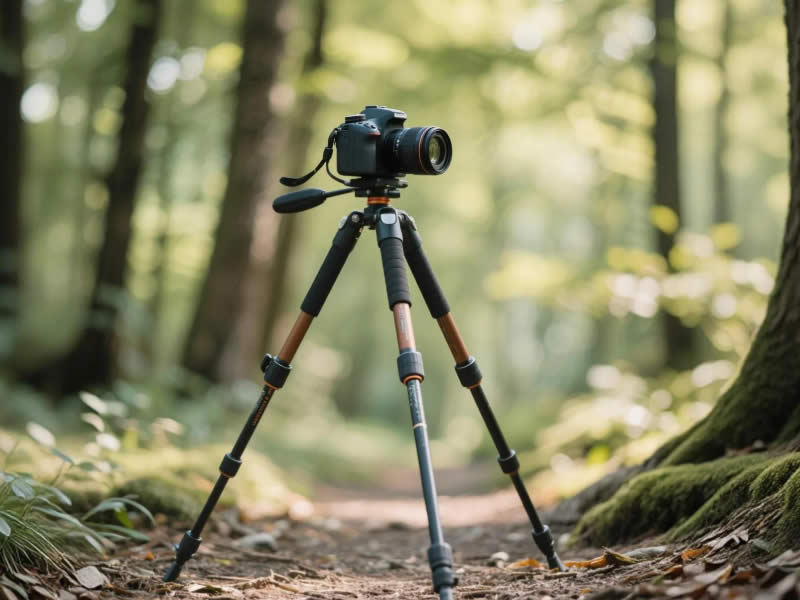
Recommended trekking pole purchase link: https://s.click.aliexpress.com/e/_c4M7OWaN
The short answer is yes — trekking poles can indeed be used as a makeshift tripod for cameras, though with some important caveats. This article explores the various methods, from built-in mounts to DIY solutions, and helps you understand what works best for your gear.
The Monopod Approach: The Simplest Method
The easiest way to use a trekking pole for camera support is as a monopod. Many modern trekking poles feature a hidden ¼-20 threaded insert concealed under the wrist strap cap or grip-13. This standard tripod thread allows you to screw your camera directly onto the pole or attach a ball head adapter.
A single trekking pole used as a monopod provides noticeable stabilization benefits. It typically allows for 1-2 stops slower shutter speeds compared to handholding and significantly reduces camera shake, especially useful for landscape and wildlife photography-29. However, a monopod cannot stand on its own — it requires your hand on the camera at all times and is not suitable for self-portraits or long exposures where you need to step away from the camera.
Converting Two or Three Poles into a Genuine Tripod
For hikers who want true tripod functionality, using two or three trekking poles together is the answer.
The two-pole method uses both trekking poles as the front legs of a tripod. The camera is mounted on a small tripod head or ball head, which is lashed to the joined tops of the poles. A third leg is improvised using a guy line anchored to a tent stake or a heavy rock-33. One hiker using this system reports achieving a max height of about 1.2 meters with setup taking under a minute-33.
The three-pole method is more stable. If you have three trekking poles — perhaps hiking with a partner or carrying an extra collapsed pole — you can connect them via a tripod hub adapter to create a full-height tripod. The TrailPix system, for example, uses a lightweight hub weighing approximately 85 grams to link three standard trekking poles into a tripod capable of supporting DSLRs with medium lenses-29.
Commercial Solutions Worth Knowing
Several products have emerged specifically for this use case:
- TrailPix: A standalone hub system that works with your existing trekking poles. The hub weighs only about 85 grams and provides genuine three-leg tripod stability-29.
- Ulanzi TT35: A complete integrated system where the trekking poles are designed from the ground up to convert into a tripod. The three carbon fiber poles weigh 284g each, compress to 47cm, and can support up to 3kg of camera gear when used as a monopod, with the full tripod configuration extending to 145cm-28.
- LEKI integrated mounts: Some LEKI pole models have a standard 1/4"-20 camera screw thread integrated directly into the top of the grip, offering a seamless monopod solution-29.
DIY and Ultralight Options
For the resourceful hiker, a few simple items can create a functional setup:
- Voile strap + mini ball head: A robust rubber strap can lash a small tripod ball head to the pole’s grip-13.
- Guy line tripod: A single pole with three staked guy lines can serve as a stable support. This works particularly well on soft ground where stakes can be driven in.
- 3D-printed adapters: Several ultralight 3D-printed adapters (as light as 50g for the entire setup) are available that convert your poles into a tripod for smaller cameras and phones-37.
Critical Limitations and Safety
Before heading out with any makeshift tripod setup, understand these key constraints:
- Weight capacity is limited. Most monopod solutions are best for cameras under 2 lbs (about 0.9 kg)-29. Never mount a heavy DSLR with a long lens on a pole not explicitly rated for the weight — the torque can damage the mount, and a falling camera can be destroyed or cause injury.
- It won’t match a dedicated tripod for stability. Wind, uneven ground, and soft surfaces can all compromise stability. On smooth floors, trekking pole tripods can be especially unstable as the handles tend to slide outward-37.
- Use a remote trigger or self-timer. Even with the best improvised setup, your finger pressing the shutter button introduces vibration. A remote trigger or 2-second self-timer makes a dramatic difference in sharpness-37.
- Safety lanyards are essential. Never trust your camera to a makeshift mount alone. Always use a tether attached to your camera’s strap connection point and secured to the pole or your pack.
Best Practices for the Trail
| Scenario | Recommended Setup | Estimated Weight |
|---|---|---|
| Lightweight smartphone/mirrorless | Monopod via ¼" thread | 0-30g additional |
| Medium cameras (under 2 lbs) | Two poles + guy line anchor | 20-50g additional |
| DSLR on stable ground | Three poles + hub adapter | 85-150g additional |
| Long exposure/self-portrait | Dedicated travel tripod | 800g+ |
The Verdict
Yes, trekking poles can be used as a makeshift tripod for cameras — but the approach depends entirely on your needs. For quick stabilization on the go, a monopod setup using a built-in or clamped ¼-20 mount is excellent and adds negligible weight. For genuine hands-free tripod functionality with self-portraiture or long exposures, two or three poles combined with a hub adapter or guy line system works surprisingly well. Just remember to match your method to your camera weight, practice setup at home first, and always use a safety tether. With the right approach, your trekking poles can earn their keep as both trail stabilizers and photographic tools.




