




What are the best trekking poles from German brands besides Leki?
When people think of German trekking poles, Leki is usually the first (and often only) name that comes to mind. However, Germany has a rich outdoor industry with several other brands producing high‑quality, reliable trekking poles. While none have Leki’s global dominance, brands like Vaude, Tatonka, and Deuter offer excellent alternatives, and there are smaller specialist brands such as Reku and Kodiac. This guide explores the best options for hikers who want German engineering without the Leki price tag or simply prefer a different aesthetic.
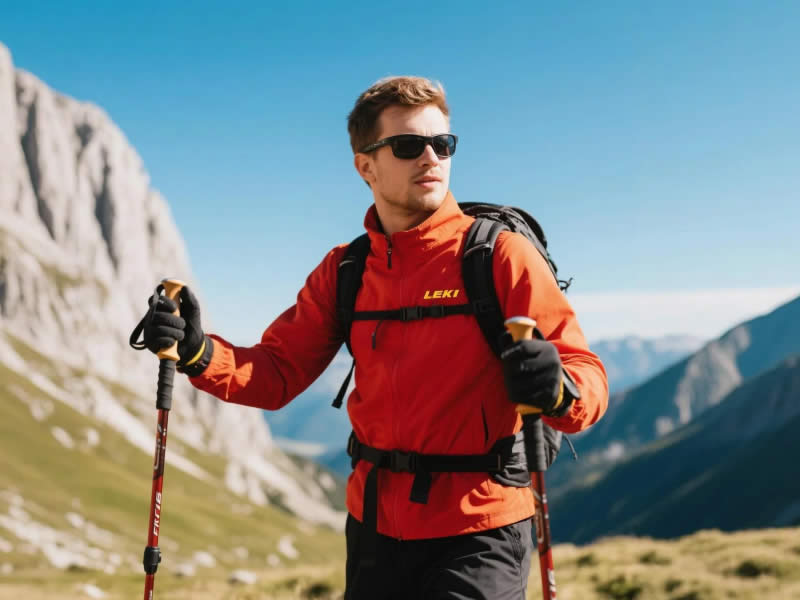
Recommended trekking pole purchase link: https://s.click.aliexpress.com/e/_c4M7OWaN
1. Vaude – the eco‑friendly all‑rounder
Vaude is best known for its sustainable approach – tents, backpacks, and clothing made with rigorous environmental standards. Their trekking poles are no exception.
- Popular model: Vaude Phantasy (or Asym)Material: 7075 aluminum (light, strong)Lock: Vaude’s own twist‑lock or flick‑lock depending on the model. The Phantasy uses a lever lock (similar to Leki’s SpeedLock).Grip: Cork or ergonomic foam. The Phantasy features a cork grip with an extended foam section – very comfortable for long days.Weight: ~250g per pole (similar to Leki Makalu)Tip: Carbide, replaceableBaskets: Interchangeable
- Pros: Excellent build quality, environmentally conscious manufacturing (made in Germany? Vaude has production in Germany and Asia; some models are assembled in Germany). Good warranty service.
- Cons: Not as widely available as Leki; slightly heavier than premium carbon poles.
- Price: €70–90 per pair – competitive with Leki’s entry‑level aluminum models.
Verdict: Ideal for hikers who value sustainability and want a solid, durable pole. The Phantasy is a direct competitor to the Leki Makalu, with similar performance at a slightly lower price.
2. Tatonka – the rugged specialist
Tatonka is a German brand famous for its bomb‑proof backpacks and trekking gear. Their poles are built for durability, often using thicker‑walled aluminum.
- Popular model: Tatonka Trekking Pole (e.g., Expedition)Material: 7075 or 6082 aluminum – very sturdyLock: External lever lock (Tatonka’s own design)Grip: Ergonomic rubber or foam with a “pistol grip” angleWeight: ~280–300g per pole – heavier than Leki, but very robustTip: Carbide, replaceable
- Pros: Nearly indestructible; ideal for heavy loads or rough terrain. Good for hikers who prioritise strength over weight.
- Cons: Heavy; not suitable for ultralight enthusiasts.
- Price: €50–80 per pair – excellent value.
Verdict: Perfect for alpine climbing, bushwhacking, or any situation where pole breakage is a real risk. Not for speed hikers.
3. Deuter – the backpacker’s choice
Deuter is renowned for backpacks, but they also make a small range of trekking poles. They are often overlooked, but the quality is solid.
- Popular model: Deuter Trekking Pole (e.g., Hike Pro)Material: 7075 aluminumLock: Twist‑lock (on most models) – note that twist‑locks require more maintenance than flick‑locks.Grip: Cork or foamWeight: ~240–260g
- Pros: Good integration with Deuter backpacks (e.g., pole attachment loops). Affordable.
- Cons: Twist‑locks can be frustrating; limited spare parts availability compared to Leki.
- Price: €40–60 per pair – budget‑friendly.
Verdict: Best for Deuter backpack owners who want a matching set. For serious hikers, the twist‑locks may be a deal‑breaker.
4. Reku – the minimalist newcomer
Reku is a small German brand focused on simple, ultralight, and repairable poles. They manufacture in Bavaria.
- Popular model: Reku Pole (no specific name)Material: 7075 aluminumLock: Flick‑lock (proprietary)Grip: Simple foam or corkWeight: ~200–220g – very light for aluminumUnusual feature: All parts are user‑replaceable – you can order individual sections, locks, tips directly from the company.
- Pros: Extremely light for aluminum; fully repairable; German made (not just designed). Excellent customer service.
- Cons: Small brand – limited distribution (mainly online). Higher price for a minimalist pole.
- Price: €100–120 per pair – premium.
Verdict: Ideal for gear geeks who want a locally made, sustainable, and fully serviceable pole. A hidden gem.
5. Kodiac – the forgotten brand
Kodiac (sometimes spelled Kodiak) is a German brand that produces affordable poles, often sold through discounter outdoor shops. They are not premium, but for casual use, they are fine.
- Model: Various (often unnamed)Material: Aluminum (lower grade than 7075)Lock: Mostly twist‑locksWeight: ~300g+
- Pros: Very cheap (€20–30 per pair).
- Cons: Poor durability; locks slip; tips not replaceable.
- Verdict: Not recommended for serious hiking – suitable only for gentle day walks.
Comparison table
| Brand | Model | Material | Lock | Weight (g/pole) | Price (pair €) | Best for |
|---|---|---|---|---|---|---|
| Vaude | Phantasy | 7075 Alu | Flick‑lock | ~250 | 70–90 | Eco‑conscious all‑rounder |
| Tatonka | Expedition | 7075 Alu | Flick‑lock | ~290 | 50–80 | Heavy‑duty / rough terrain |
| Deuter | Hike Pro | 7075 Alu | Twist‑lock | ~250 | 40–60 | Budget (but twist‑locks) |
| Reku | (Standard) | 7075 Alu | Flick‑lock | ~210 | 100–120 | Ultralight / repairable |
| Kodiac | Various | Low‑grade Alu | Twist‑lock | 300+ | 20–30 | Not serious use |
Final verdict: which German brand besides Leki is best?
- Best overall alternative: Vaude Phantasy – It offers nearly identical performance to the Leki Makalu (7075 alu, flick‑locks, cork grip) at a lower price, with a strong environmental commitment.
- Most rugged: Tatonka – If you need poles that can survive being dragged through scree or used as tent supports in high wind, Tatonka’s thicker shafts are hard to beat.
- Lightest / most repairable: Reku – A niche choice for ultralight backpackers who prefer supporting a small, local manufacturer.
Avoid Deuter’s twist‑lock models for serious hiking, and stay away from Kodiac altogether. Stick with Vaude or Tatonka for the best balance of German quality, durability, and value.




