




Are Leki Cima trekking poles durable for everyday use?
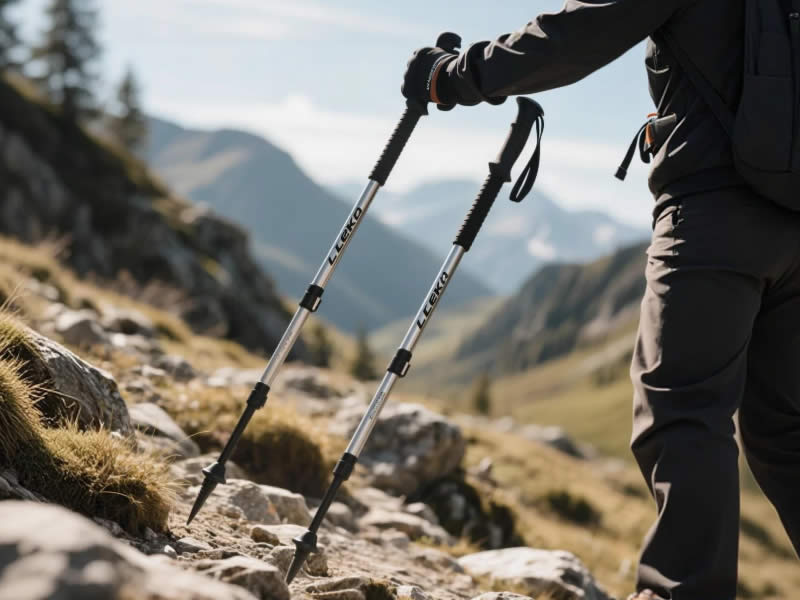
The Leki Cima is a lesser‑known model within Leki’s extensive lineup, often positioned as an entry‑level or budget‑friendly option. While it may not have the fame of the Makalu or Khumbu, the Cima shares the same German engineering and quality materials. So, are these poles durable enough for everyday hiking? The short answer is yes, with proper care – but there are important nuances.
Recommended trekking pole purchase link: https://s.click.aliexpress.com/e/_c4M7OWaN
What is the Leki Cima?
The Cima typically features:
- 7075 aluminium shaft – the same high‑strength alloy used in Leki’s premium poles.
- Twist‑lock mechanism (not the SpeedLock flick‑lock found on more expensive models).
- Foam or rubber grip – simple but comfortable.
- Replaceable carbide tip.
- Interchangeable baskets.
The Cima is designed for recreational hikers who want Leki reliability without the premium price tag. It is often sold as a pair for around €50–70.
Durability for everyday use
“Everyday use” implies frequent hiking – perhaps several times a week or on varied terrain. Here’s how the Cima holds up:
Shaft durability
The 7075 aluminium shaft is robust and resistant to bending. It can withstand the typical knocks, drops, and planting forces encountered on forest trails, gravel paths, and moderate rocky terrain. Unless you deliberately abuse the pole or trap it under a heavy rock, the shaft will last for years.
Locking mechanism – the weak point
The twist‑lock is the main area where the Cima differs from higher‑end Leki models. Twist‑locks rely on an internal plastic expander that presses against the inner shaft. Over time and with frequent adjustment, the expander can wear out, leading to slipping. Dust, mud, or sand inside the mechanism will also cause the lock to fail.
For everyday use on clean, dry trails, the twist‑lock can be perfectly reliable if you maintain it. However, if you hike in wet, muddy, or sandy conditions (common on many “everyday” trails), you will need to clean and lubricate the locks more often. Some users report that after 6–12 months of regular use, the expander may need replacement.
Tip and baskets
The carbide tip is replaceable and durable – it will typically outlast the locking mechanism. The baskets are sturdy but can crack if you repeatedly jam the pole into rocky crevices.
Grip and strap
The foam or rubber grip is durable and will not degrade quickly. The wrist strap is padded and adjustable; it should last several years unless exposed to excessive UV or abrasion.
Maintenance tips for everyday durability
To get the most out of Leki Cima poles:
- Rinse after muddy hikes – let the poles dry completely before collapsing.
- Do not store extended – always collapse the poles when not in use.
- Lubricate twist‑locks – apply a dry silicone spray to the expander once a year.
- Replace expanders when worn – Leki sells replacement parts. If the pole slips even after cleaning, change the expander.
- Avoid over‑tightening – twist just enough to hold; over‑tightening deforms the expander.
Comparison to flick‑lock models
| Feature | Leki Cima (twist‑lock) | Leki Khumbu/Makalu (SpeedLock) |
|---|---|---|
| Everyday durability | Good with maintenance | Excellent, less maintenance |
| Ease of use with gloves | Poor | Good |
| Susceptibility to dirt | High | Low |
| Price | Lower | Higher |
For true “everyday” use – where you want grab‑and‑go reliability without constant fiddling – a flick‑lock pole is better. But the Cima is a solid budget choice if you are willing to perform basic maintenance.
Real‑world user feedback
Online reviews (from various retailers) indicate that Cima owners are generally satisfied with the build quality. Positive comments: “Light and sturdy for day hikes,” “Good value for a Leki pole.” Negative comments: “The twist‑lock slips after a few muddy walks,” “I had to replace the expander after one season.” These experiences are typical for twist‑lock poles.
Verdict
The Leki Cima trekking poles are durable enough for everyday use on moderate terrain, provided you maintain the twist‑lock mechanisms. For a casual hiker who walks 2–3 times a week on well‑kept trails, they will last several years. However, if your “everyday” includes frequent mud, stream crossings, or steep ascents where lock failure could be dangerous, consider upgrading to a flick‑lock model like the Khumbu Lite. The Cima offers good value for money, but it demands more attention than Leki’s premium offerings.




