




Are trekking poles necessary for day hikes in the Peak District?
The Peak District offers some of the most beautiful and varied walking terrain in the UK – from gentle limestone dales to gritstone edges with steep, rocky descents. If you are planning a day hike there, you might wonder: do I really need trekking poles? The short answer is no, they are not strictly necessary, but for many hikers, they are highly beneficial – especially on certain routes. This article explains when poles are useful, when you can leave them behind, and what to consider for your Peak District adventure.
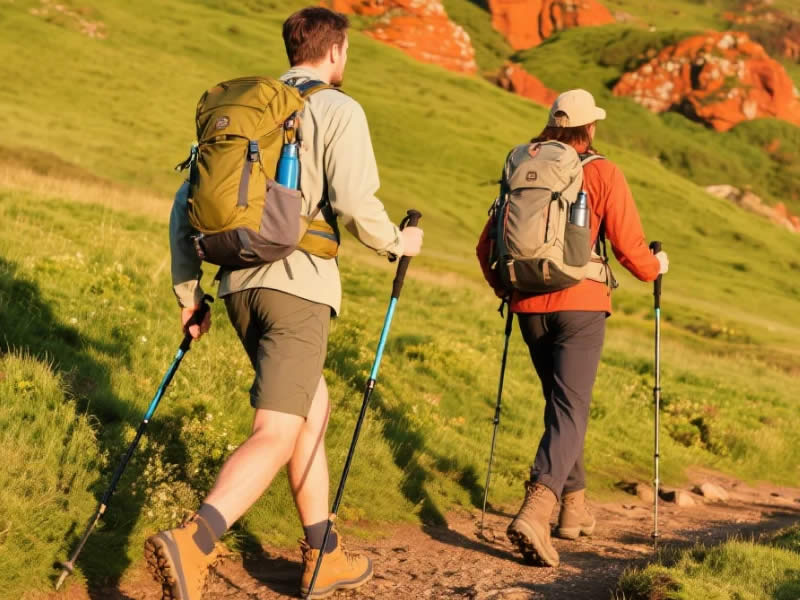
Recommended trekking pole purchase link: https://s.click.aliexpress.com/e/_c4M7OWaN
Why trekking poles are helpful in the Peak District
The Peak District is not uniformly flat. Many classic walks include:
- Steep descents – Scrambling off Kinder Scout, descending from Mam Tor, or coming down Jacob’s Ladder. These put significant strain on your knees, especially if you carry a daypack. Trekking poles can transfer up to 20‑25% of the load from your legs to your arms, reducing impact and fatigue.
- Rocky, uneven paths – Gritstone edges like Stanage, Froggatt, and Curbar have uneven, rocky trails. Poles provide two extra points of contact, improving balance and preventing twisted ankles.
- Muddy sections – After rain, many paths become slippery and boggy. Poles help you probe depth and maintain stability.
- Stream crossings – When crossing a stream like the River Noe or the Dove, poles give you added security.
When you might not need poles
- Shorter, low‑level walks – A stroll along the Monsal Trail (old railway track) or around Chatsworth Park is mostly flat and smooth. Poles would be overkill.
- Familiar terrain with good fitness – If you are an experienced hiker with strong knees, you may prefer free hands for scrambling or photography.
- Very crowded trails – On popular routes like Dovedale or the Three Shires Head, poles can be a hindrance to other walkers if not used carefully.
What experienced Peak District walkers say
Many local hikers and mountain leaders use trekking poles on longer or more strenuous day hikes, but rarely on short, low‑level walks. A typical comment: “I never used poles until my knees started complaining after the descent from Lose Hill. Now I take them on any walk with over 300m of descent – they make a huge difference.”
Choosing the right poles for the Peak District
If you decide to use poles, look for:
- Flick‑locks (not twist‑locks) – they handle mud and wet weather better.
- Aluminium shafts – tough enough for rocky edges.
- Carbide tips – essential for grip on wet rock.
- Replaceable tips – because Peak District gritstone wears tips quickly.
A good budget option is the Decathlon Forclaz MT500 (£35). For frequent use, invest in Leki Khumbu Lite or Black Diamond Trail Pro.
Tips for using poles in the Peak District
- Shorten for uphill – when climbing a steep edge, shorten your poles by 5‑10 cm to keep your torso upright.
- Lengthen for downhill – add 5‑10 cm for descents to act as brakes and save your knees.
- Remove rubber tips – use carbide on rocky trails; rubber covers are for pavement only.
- Rinse after muddy hikes – Peak mud can clog locks; rinse with water and dry.
Final verdict
Trekking poles are not necessary for every day hike in the Peak District, but they are a valuable tool for many. If you are tackling a route with significant ascent and descent (e.g., Kinder Scout from Edale, the Great Ridge, or the edges), poles will reduce knee strain and improve balance. For a gentle valley walk or a traffic‑free path, you can happily leave them at home. Consider your own fitness, any existing joint issues, and the specific route. When in doubt, carry them – they weigh little and can be collapsed and stowed when not needed. Ultimately, the best pole is the one that helps you enjoy the stunning Peak District landscape with comfort and confidence.




