




What are the best trekking poles for people with weak wrists?
If you have weak wrists – whether from arthritis, carpal tunnel syndrome, repetitive strain injury, or recovering from a fracture – using standard trekking poles can be painful and frustrating. Twisting a lock, gripping a hard handle, or absorbing the shock of each plant can aggravate your condition. The good news is that the right trekking poles can actually reduce wrist strain and make hiking enjoyable again. This guide explains what features to look for and recommends the best models for people with weak wrists.
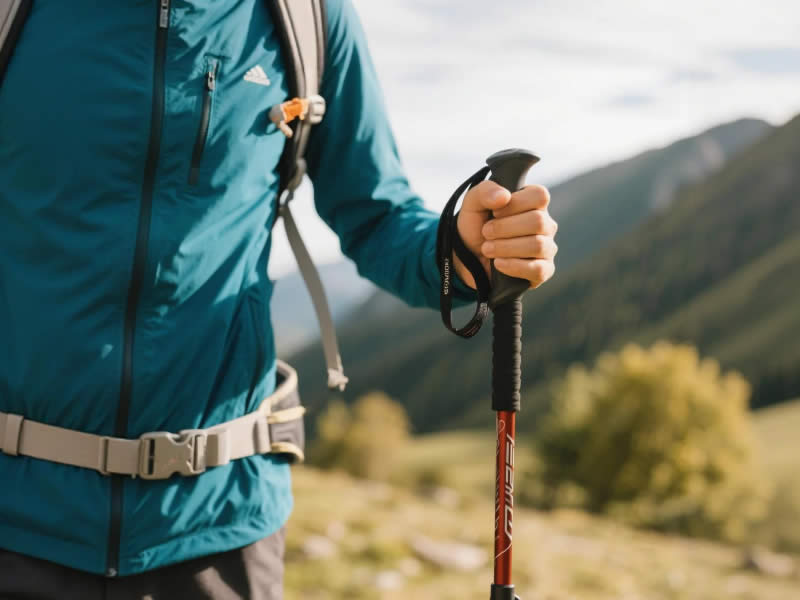
Recommended trekking pole purchase link: https://s.click.aliexpress.com/e/_c4M7OWaN
Key features for weak wrists
- External flick‑locks (cam levers) instead of twist‑locks – Twist‑locks require a firm, sustained twisting motion that forces your wrist into an awkward, loaded position. Flick‑locks use a simple pinch and push motion that does not strain the wrist.
- Shock‑absorbing (anti‑shock) system – An internal spring absorbs the impact when the tip hits the ground, reducing the jarring force transmitted up through the pole and into your wrist.
- Lightweight construction – Heavy poles increase the inertia you must control with each swing. Light aluminium (240g) or carbon (170‑190g) poles are much easier on weak wrists.
- Comfortable, non‑slip grip – A foam or cork grip that is slightly larger in diameter helps distribute pressure and reduces the need for a tight grip. Avoid hard, narrow rubber grips.
- Proper wrist strap design – A padded, quick‑release strap (e.g., Leki Trigger Shark) allows you to relax your hand and let the strap bear the load, taking stress off the wrist joint.
- Replaceable carbide tip – A sharp tip digs into the ground without requiring you to punch down hard, reducing the impact on your wrist.
Top picks for weak wrists
1. Leki Makalu Anti‑Shock – best overall for weak wrists
Leki’s Makalu Anti‑Shock combines a reliable flick‑lock (SpeedLock 2) with an internal spring that can be switched on or off. The cork grip is naturally contoured and non‑slip. The anti‑shock mechanism absorbs up to 30% of the impact that would otherwise travel to your wrists. The SpeedLock lever requires only a light pinch – no twisting.
- Weight: ~260g per pole (aluminium)
- Lock: SpeedLock 2 (flick‑lock)
- Grip: Cork (Core‑Tec)
- Anti‑shock: Yes, switchable
- Price: ~£80‑100
2. Black Diamond Trail Pro – no anti‑shock but very stable
The Black Diamond Trail Pro does not have an internal spring, but its robust design and metal FlickLock Pro are very easy on wrists. The large, textured lever requires minimal hand strength. The extended foam grip allows you to hold the pole in different positions, reducing repetitive stress. While not shock‑absorbing, its weight and balance make planting feel solid without jarring.
- Weight: ~275g
- Lock: FlickLock Pro (metal lever)
- Grip: Dual‑density foam with extended blade
- Anti‑shock: No
- Price: ~£90‑110
3. Leki Micro Vario Carbon Anti‑Shock (folding)
For those who want a folding pole for travel or running, the Leki Micro Vario Carbon Anti‑Shock offers a carbon shaft (lightweight) and an internal spring. The Trigger Shark quick‑release strap is excellent for weak wrists: you can detach the pole instantly without pulling your hand out of a strap.
- Weight: ~220g
- Lock: Snap‑button (folding) plus anti‑shock
- Grip: Aergon Air foam with Trigger Shark
- Price: ~£150‑180
4. Komperdell Contour Anti‑Shock – good value
Komperdell’s Contour Anti‑Shock features a Powerlock 3.0 flick‑lock (wide lever) and an internal spring. The cork/foam hybrid grip is comfortable and absorbs sweat. At around £70‑90, it’s a more affordable option.
Features to avoid
- Twist‑locks – These require a forceful twisting motion that strains the wrist. Even if you have strong wrists initially, a long hike with twist‑locks can cause pain.
- Heavy steel or very cheap aluminium poles (over 300g) – The extra weight will fatigue your arms and force your wrists to work harder to stabilise the pole.
- Narrow, hard rubber grips – They concentrate pressure on your palm and require a tighter grip, which transfers strain to the wrist.
- No wrist strap – Without a strap, you must grip the pole continuously, tiring your hand and wrist. Always use the strap correctly (hand from below, strap across the back of your hand).
Tips for using poles with weak wrists
- Use the wrist strap correctly – Insert your hand from below the strap, then grip the handle. The strap should lie across the back of your wrist. Let the strap bear the weight; your hand should only guide the pole. This is the single most effective way to reduce wrist strain.
- Keep the pole length correct – On flat ground, your elbow should be at 90°. Wrong length forces you to compensate with wrist motions.
- Plant the pole near your foot – Avoid reaching far ahead, which creates a lever that torques your wrist.
- Take breaks – Unstrap and shake your hands out every 20‑30 minutes.
- Consider wearing light gloves – A thin, padded glove can add comfort and reduce vibration.
Final verdict
For people with weak wrists, the Leki Makalu Anti‑Shock is the best all‑around choice. It combines a flick‑lock (no twisting), a shock‑absorbing spring, a comfortable cork grip, and moderate weight. If you need a folding pole, the Leki Micro Vario Carbon Anti‑Shock is excellent. Both avoid the wrist‑straining twist‑locks that plague cheaper poles. Always prioritise flick‑locks, anti‑shock (for impact reduction), and proper strap use. With the right poles, hiking can become a pleasure rather than a pain for your wrists.




