




Are Black Diamond Distance Carbon Z worth the high price?
The Black Diamond Distance Carbon Z is one of the most iconic ultralight trekking poles on the market. With a price tag of £120‑150 (or $150‑180), they are significantly more expensive than a decent pair of aluminium flick‑lock poles (£40‑70). The question is: are they worth the premium? The answer depends entirely on how you hike. For a specific niche of users – ultralight fastpackers, trail runners, and weight‑obsessed long‑distance hikers – yes, they are absolutely worth it. For casual day hikers or backpackers who don’t count every gram, you can get better value elsewhere. This article breaks down the pros, cons, and alternatives.
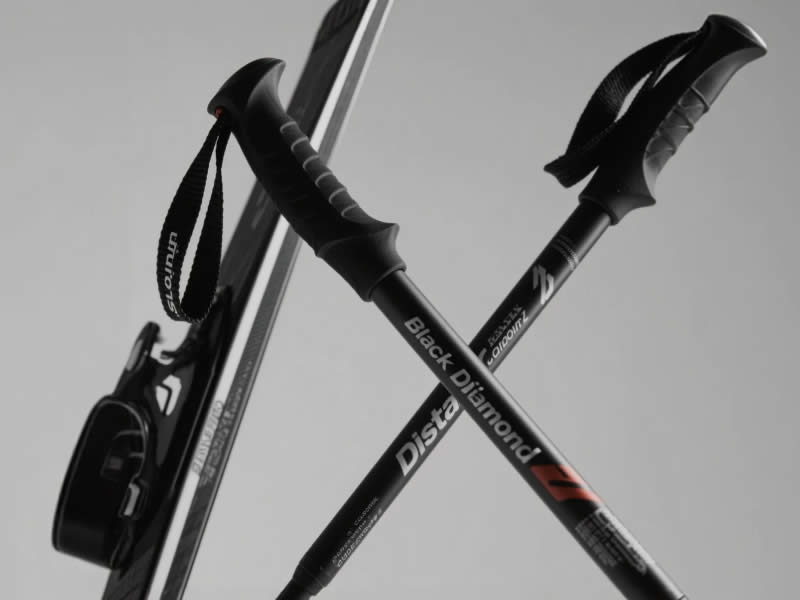
Recommended trekking pole purchase link: https://s.click.aliexpress.com/e/_c4M7OWaN
What makes the Distance Carbon Z special?
- Extremely light weight: 165g per pole (330g per pair). That’s about half the weight of standard aluminium poles (240‑280g per pole). This weight saving is noticeable over a 30‑mile day or a multi‑week thru‑hike.
- Folding (Z‑pole) design: Collapses to 38 cm (15 inches). It fits inside a running vest, a small daypack, or even a large waist belt. This packability is a game‑changer for fastpackers.
- Carbon fibre shaft: Stiff, low vibration, and responsive. The carbon absorbs less shock than aluminium, which some find more comfortable.
- Simplicity: No external flick‑locks, no twist‑locks. The poles deploy by pulling the sections until they click, and collapse by pressing the button. Very few moving parts.
- Replaceable carbide tip: Standard on all good poles; the Distance Z has it.
- EVA foam grip: Comfortable, warm, and light.
Who benefits most from these poles?
1. Ultralight backpackers and fastpackers
If your base weight is under 5 kg and you hike long days (30‑50 km), every 100g matters. The Distance Carbon Z saves you about 200g compared to a pair of Leki Makalu poles – that’s the weight of a PowerBar or a head torch. For a thru‑hike of the Pacific Crest Trail or the Pennine Way, those grams add up over thousands of miles.
2. Trail runners
Trail runners need poles that deploy quickly, pack small, and add minimal weight. The Distance Carbon Z is the gold standard for Skyrunning or ultra‑marathons. You can stash them in a running vest and forget them until the steep climbs.
3. Travelers with strict weight limits
If you fly frequently and need to minimise checked luggage weight, these poles are a blessing. Their light weight and small packed size make them easy to slide into a suitcase.
The downsides: why they are not for everyone
1. Fixed length (no on‑trail adjustment)
The Distance Carbon Z is available in fixed lengths (100‑130 cm in 5 cm increments). You cannot shorten them for steep uphills or lengthen them for downhills. For hikers who traverse varied terrain, this is a significant limitation. You must choose a compromise length that works “okay” for both.
2. Carbon is brittle
Carbon fibre is strong in compression but weak under sharp impact. A hidden rock under a bog or a careless jam between boulders can snap a carbon pole. Aluminium poles will bend or dent but rarely break. If you hike on rocky, sharp terrain (common in the UK’s Lake District or Scottish Highlands), carbon is a risk.
3. Not for heavy loads
The Distance Carbon Z is designed for lightweight hikers (body weight + pack under 100 kg). Heavier backpackers or those carrying large loads may exceed the pole’s strength margin. The manufacturer does not specify a weight limit, but field reports suggest that poles have snapped under very heavy stress.
4. Expensive
At £120‑150, you could buy two pairs of Decathlon MT500 poles and still have change. For a casual hiker who walks 10 times a year, the extra cost is hard to justify.
Who should look elsewhere?
- Day hikers on rocky trails: Choose aluminium flick‑lock poles – they are tougher and adjustable.
- Backpackers with heavy packs: Aluminium poles offer better load capacity and peace of mind.
- Hikers who need length adjustment: Telescoping poles (e.g., Leki Makalu, Black Diamond Trail Pro) are far more versatile.
- Budget‑conscious beginners: Decathlon Forclaz MT500 or Trekmates Walker Lock provide 80% of the functionality for 30% of the price.
Head‑to‑head: Distance Carbon Z vs. alternatives
| Model | Weight (pair) | Lock | Adjustable | Durability on rock | Price | Best for |
|---|---|---|---|---|---|---|
| Black Diamond Distance Carbon Z | 330g | Snap‑button | No | Low – can snap | £130 | Ultralight running, fastpacking |
| Leki Makalu Lite | 480g | Flick‑lock | Yes | High – bends | £80 | All‑round UK hiking, backpacking |
| Decathlon Forclaz MT500 | 520g | Flick‑lock | Yes | Moderate | £35 | Budget day hikes |
| Black Diamond Trail Pro | 550g | Metal flick‑lock | Yes | Very high | £100 | Heavy loads, rocky terrain |
The bottom line: are they worth it?
Yes, if you are an ultralight fastpacker, trail runner, or weight‑obsessed thru‑hiker who values low weight and packability above all else. The Distance Carbon Z is a tool for a specific job, and it does that job exceptionally well.
No, for the majority of hikers – especially those who walk on rocky, uneven, or wet British terrain, carry a full backpack, or want the versatility of adjustable length. A good pair of aluminium flick‑lock poles (e.g., Leki Khumbu Lite or Decathlon MT500) will be more durable, more adaptable, and far better value.
Before buying, honestly assess your typical terrain, pack weight, and need for adjustment. If you only hike gentle, non‑rocky trails and count every gram, the Distance Carbon Z is a joy to use. For everyone else, save your money and buy aluminium. Your knees and your wallet will thank you.




