




Are Pacerpole walking poles better for Nordic walking in the UK?
Nordic walking is a specific fitness technique that uses specially designed poles to engage the upper body, increase calorie burn, and reduce joint impact. In the UK, the activity is popular on everything from flat canal paths to rolling hills. Pacerpole is a British brand that offers a unique ergonomic design with angled, hand‑shaped grips. The question is: are they better for Nordic walking in the UK than traditional Nordic poles (e.g., Exel, Leki Nordix)? The answer is yes for some walkers, but not for everyone. This article explains the differences, the pros and cons, and who might benefit most.
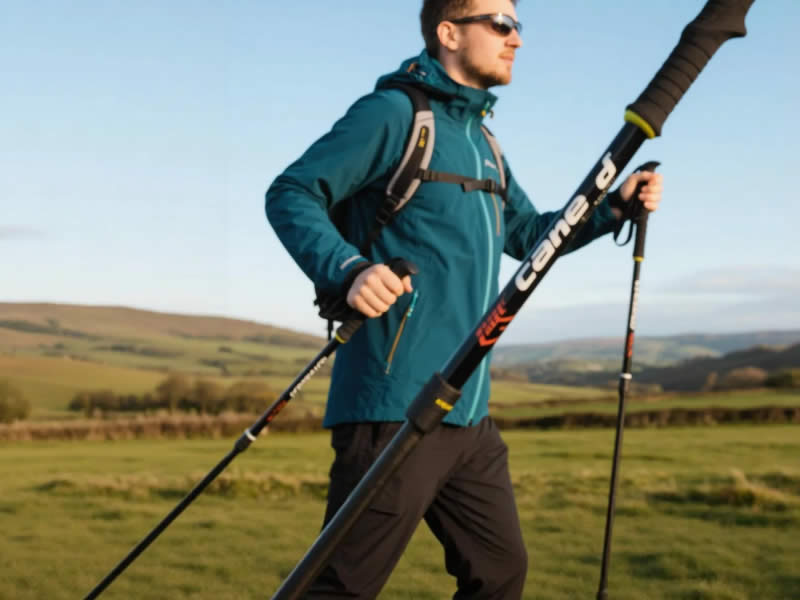
Recommended trekking pole purchase link: https://s.click.aliexpress.com/e/_c4M7OWaN
What makes Pacerpole different?
Traditional Nordic walking poles have straight shafts with slightly angled grips (typically 5‑15°) and quick‑release straps (a cork or neoprene loop that attaches to a glove). You push through the strap to generate the classic Nordic walking motion.
Pacerpole features a bent shaft and a pistol‑grip style handle that puts your wrist in a natural, handshake position. There is no quick‑release strap; instead, you hold the grip directly. The angle is designed to reduce strain on the wrists and elbows and to encourage a more upright posture.
Advantages of Pacerpole for UK Nordic walking
1. Reduced wrist and elbow strain
The neutral wrist position of Pacerpole is a genuine ergonomic benefit. Many UK Nordic walkers who suffer from carpal tunnel syndrome, tennis elbow, or arthritis report less pain with Pacerpole. The straight‑shaft, angled‑grip design of traditional poles can still cause wrist extension for some users.
2. Natural hand grip
Some walkers find the Pacerpole handshake grip more intuitive than the strap‑dependent technique of Nordic poles. There is no learning curve for the strap release – you simply hold and push.
3. Great for uneven terrain
The UK has many undulating paths, grassy slopes, and muddy sections. The angled grip of Pacerpole allows you to plant the pole at different angles without torquing your wrist, which is helpful on side‑hills or uneven ground.
4. Solid British construction
Pacerpole is a UK company based in Yorkshire. Their poles are built with quality aluminium or carbon, and they offer good customer support. For UK walkers, this local presence is a plus.
Advantages of traditional Nordic poles (Exel, Leki Nordix, etc.)
1. Proper Nordic walking technique
The quick‑release strap is integral to the Nordic walking method. You push through the strap, then relax your hand to let the pole swing back. This creates the characteristic arm extension and engages the triceps and core. Pacerpole’s fixed grip does not encourage the same release motion; it becomes more like ordinary trekking pole walking, not true Nordic walking.
2. Lighter weight
Top Nordic poles (e.g., Exel Carbon) are often lighter than Pacerpole, which can be important for longer sessions.
3. Glove integration
The strap system works seamlessly with a special glove (often included or sold separately). The glove stays on your hand while the pole detaches. Pacerpole has no such system; you must hold the grip continuously.
4. Proven for fitness walking
Nordic walking as a fitness activity was developed with strap‑based poles. Instructors and physiotherapists typically recommend traditional designs for learning the correct technique.
Which is better for UK conditions?
- For true Nordic walking fitness classes or structured exercise: Traditional Nordic poles (Exel, Leki Nordix) are better because they allow the proper push‑and‑release motion. The quick‑release strap is central to the technique.
- For recreational walkers who want to reduce upper body strain on hilly or uneven terrain: Pacerpole may be better. The ergonomic grip can help those with existing wrist or elbow issues. However, you are essentially doing “pole walking” rather than formal Nordic walking.
- For mixed use (both Nordic technique and ordinary trekking): Neither is ideal. Traditional Nordic poles are not great for rough trails (their fixed length and small baskets are a limitation). Pacerpoles are more versatile for varied UK terrain.
Real‑world feedback from UK users
Online forums and reviews show a split. Some users with arthritis or repetitive strain injury praise Pacerpole for allowing them to walk pain‑free. Others who have taken Nordic walking classes find that Pacerpole does not work with the taught technique and prefer traditional poles. Many UK instructors recommend starting with standard Nordic poles to learn the method, and only switching to Pacerpole if you have specific medical issues.
Which should you choose?
| If you want… | Recommended pole |
|---|---|
| True Nordic walking technique (fitness classes, proper push‑and‑release) | Traditional Nordic poles (Exel, Leki Nordix, etc.) |
| Ergonomic relief for wrists/elbows + ability to walk on mixed UK terrain | Pacerpole |
| A single pole for both fitness walking and hiking | Pacerpole (more versatile) |
| Lightest weight and fast‑release gloves | Traditional Nordic poles |
Final verdict
Pacerpole walking poles are not “better” than traditional Nordic poles for classic Nordic walking technique. The quick‑release strap is essential for the method’s full benefits. However, for UK walkers who have wrist or elbow problems, or who want a more ergonomic grip for varied, hilly terrain, Pacerpole can be an excellent alternative. They are not a replacement for Nordic walking – they are a different tool. If you are new to the activity, try traditional Nordic poles first (many instructors offer loaners). If you experience pain, then consider Pacerpole. Whichever you choose, learn correct technique to avoid injury and maximise enjoyment on Britain’s beautiful paths.




