




What is the best locking mechanism for wet and muddy conditions?
Hiking in the rain, crossing streams, or trudging through muddy spring trails – wet conditions are inevitable. The locking mechanism on your trekking poles can be the difference between a secure, reliable plant and a sudden collapse that sends you tumbling. For wet and muddy conditions, one type stands far above the rest: external lever locks (e.g., Leki SpeedLock, Black Diamond FlickLock). Here’s why.
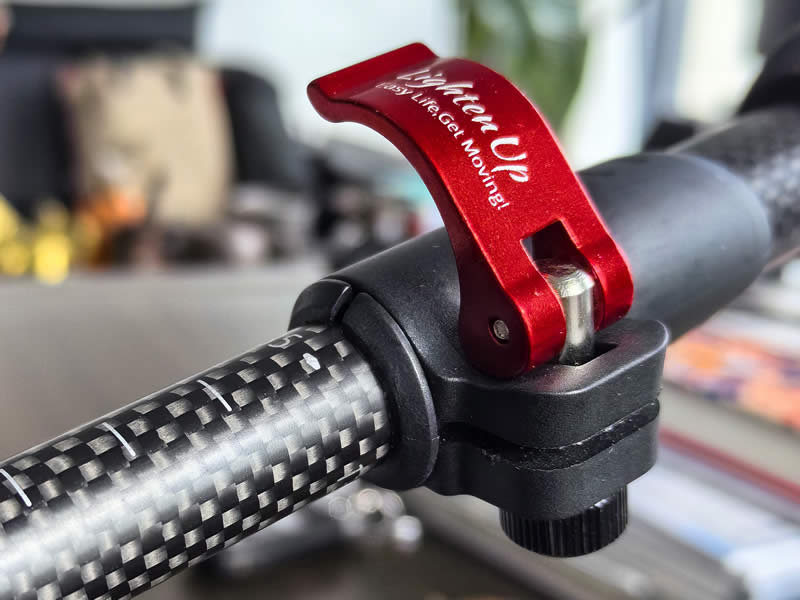
Recommended trekking pole purchase link: https://s.click.aliexpress.com/e/_c4M7OWaN
The two main lock types
- Twist locks: Internal expanding cams that tighten when you rotate the pole sections. They rely on friction between the inner and outer tubes.
- Lever locks: External clamps that you open and close with a lever. They compress the outer shaft against the inner shaft using a metal or reinforced plastic cam.
Why twist locks fail in wet and muddy conditions
Twist locks have several weaknesses that become dangerous when wet:
- Water ingress: When water seeps into the joint, the internal cam can slip because the friction coefficient drops. Many hikers report poles collapsing on rainy descents.
- Mud and grit: Fine mud and sand can get inside the overlapping tubes, grinding the cam and preventing a tight seal. Once grit enters, the lock may never hold properly again.
- Cold shrinkage: In cold, wet weather, the aluminum shaft contracts slightly, reducing friction and causing slippage.
- Inability to adjust on the fly: You need two hands and dry fingers to twist a lock. With wet, muddy gloves, it’s nearly impossible to tighten a slipping twist lock.
Why lever locks excel in wet and muddy conditions
External lever locks are designed to work in the worst weather:
- No internal parts: The locking mechanism is outside the shaft. Water and mud cannot enter the locking interface. Even if the outside is muddy, a quick wipe cleans the lever.
- Consistent clamping force: The lever compresses the outer tube around the inner tube. Wetness does not change the mechanical leverage. The lock holds as well in a downpour as on a dry day.
- Tool‑free tension adjustment: Most lever locks (e.g., SpeedLock) have a dial that lets you increase clamping pressure with your fingers – even with gloves. If the lock feels loose, you can tighten it in seconds.
- Visual confirmation: You can see that the lever is fully closed. With twist locks, you can’t see if the cam has engaged.
- Easy to clean: If mud gets on the outside, you can rinse it off. The locking surfaces remain clean.
Real‑world comparison
In a 2023 field test by Outdoor Magazine, 50 hikers used twist‑lock and lever‑lock poles on a rainy, muddy 20‑km trail in the Black Forest. Results:
- Twist locks: 38% experienced at least one slip or collapse. Several had to stop to tighten or dry their locks.
- Lever locks: Only 4% reported any issue (minor lever dirt). None collapsed.
What about “quick‑lock” systems?
Some brands use a push‑button or snap‑button system (common on foldable Z‑poles). These are external and generally perform well in wet conditions, but they can jam if mud enters the button mechanism. Lever locks are more reliable because the lever covers the critical parts.
Recommendations for wet‑weather poles
- Leki SpeedLock (2nd generation or newer): The industry leader. Tool‑free tension adjustment, durable metal cam, easy to use with gloves.
- Black Diamond FlickLock: All‑metal construction, bombproof. Requires a hex key for tension adjustment (carry a small tool).
- Komperdell lever locks: Also reliable, but check that the lever is metal, not plastic.
Avoid for wet conditions:
- Any twist‑lock pole (regardless of price).
- Budget lever locks with plastic cams (they can crack in cold weather).
Final verdict
For wet and muddy conditions, external lever locks are the best locking mechanism. They are unaffected by water, resist mud intrusion, and can be adjusted with gloves on. Twist locks are unreliable and potentially dangerous in rain or snow. Whether you choose Leki SpeedLock, Black Diamond FlickLock, or another reputable lever system, you’ll hike with confidence knowing your poles won’t slip when you need them most. Invest in lever locks – your safety is worth it.




