




What is the typical lifespan of budget vs premium trekking poles?
Trekking poles are an investment in your hiking comfort and safety. But how long should they last? The answer varies dramatically based on quality, materials, and how you use them. Understanding the lifespan difference between budget and premium poles helps you decide where to spend your money.
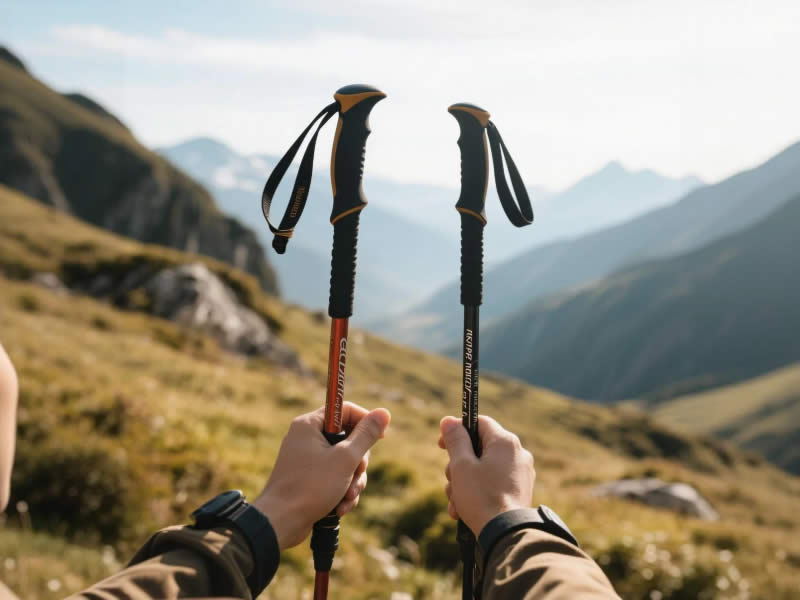
Recommended trekking pole purchase link: https://s.click.aliexpress.com/e/_c4M7OWaN
Budget trekking poles (€20–40 / £15–35)
Budget poles are typically sold by supermarket brands, no‑name Amazon sellers, or the entry‑level lines of major retailers. They use lower‑grade aluminium (6061 alloy or unmarked), plastic twist locks or cheap lever locks, and steel tips (not carbide).
Typical lifespan: 1–2 seasons of moderate use, or approximately 200–500 kilometres of hiking. After that, common failures include:
- Twist locks that no longer hold, especially when wet.
- Plastic lever arms that crack.
- Steel tips that wear down to a blunt nub.
- Shafts that bend permanently under moderate load.
For a weekend hiker who goes out 10 times a year on gentle terrain, budget poles might last 2–3 years. But on rocky or steep trails, they can fail in a single season.
Premium trekking poles (€100–150 / £85–130)
Premium poles from brands like Leki, Black Diamond, Komperdell, or high‑end Decathlon (Forclaz) use 7075 aluminium or high‑modulus carbon fibre, reliable lever locks (SpeedLock, FlickLock), replaceable tungsten carbide tips, and ergonomic cork/foam grips.
Typical lifespan: 5–10 years of regular use, or 3,000–5,000 kilometres – often longer. Many hikers report using the same Leki Makalu poles for over a decade. With basic maintenance (cleaning locks, replacing tips every 1,000–2,000 km), premium poles can last through multiple thru‑hikes.
Why premium poles last longer
- 7075 aluminium is heat‑treated and much stronger than 6061. It bends rather than snaps, and minor bends can be straightened.
- Lever locks maintain clamping force over thousands of adjustments and can be tightened tool‑free. Twist locks wear out internally.
- Carbide tips are 5–10 times more wear‑resistant than steel. They can be replaced when worn.
- Better build quality means tighter tolerances, less play in joints, and corrosion‑resistant hardware.
Factors that shorten lifespan of any pole
- Hiking on sharp, abrasive rock (e.g., limestone, granite) – wears tips faster and increases lateral stress.
- Frequent falls or using poles as levers – can bend aluminium or snap carbon.
- Lack of maintenance – dirt in locks, salt corrosion, or storing poles wet.
- Heavy pack weight (over 15 kg) – accelerates wear on locks and shafts.
Cost per kilometre analysis
- Budget poles (€30, last 300 km): €0.10 per km.
- Premium aluminium (€120, last 4,000 km): €0.03 per km.
- Premium carbon (€180, last 3,000 km): €0.06 per km.
Surprisingly, premium aluminium poles are the most cost‑efficient in the long run, despite the higher upfront price.
When budget poles make sense
- You hike only a few times per year on flat, gentle trails.
- You are a beginner who wants to try poles without a big investment.
- You need a spare pair for friends or emergencies.
When to invest in premium poles
- You hike regularly (20+ days per year) or on rocky/steep terrain.
- You carry a heavy backpack or are a larger person.
- You plan a long‑distance trail (e.g., Westweg, Rennsteig, Camino).
- You want poles that will last a decade with minimal fuss.
Final verdict
Budget trekking poles typically last 200–500 km; premium poles last 3,000–5,000 km or 5–10 years. While the upfront cost is higher, premium poles are far cheaper per kilometre and provide greater reliability and safety. If you take hiking seriously, invest in 7075 aluminium poles with lever locks and carbide tips. Your knees – and your wallet – will thank you in the long run.




