




What is the best trekking pole tip for wet rock and roots?
Wet rock and slippery tree roots are among the most treacherous surfaces a hiker can encounter. One moment you’re walking confidently; the next, your pole skids sideways, throwing off your balance. The tip of your trekking pole is critical in these conditions. The best material is tungsten carbide, but there’s more to the story. Here’s what you need to know.
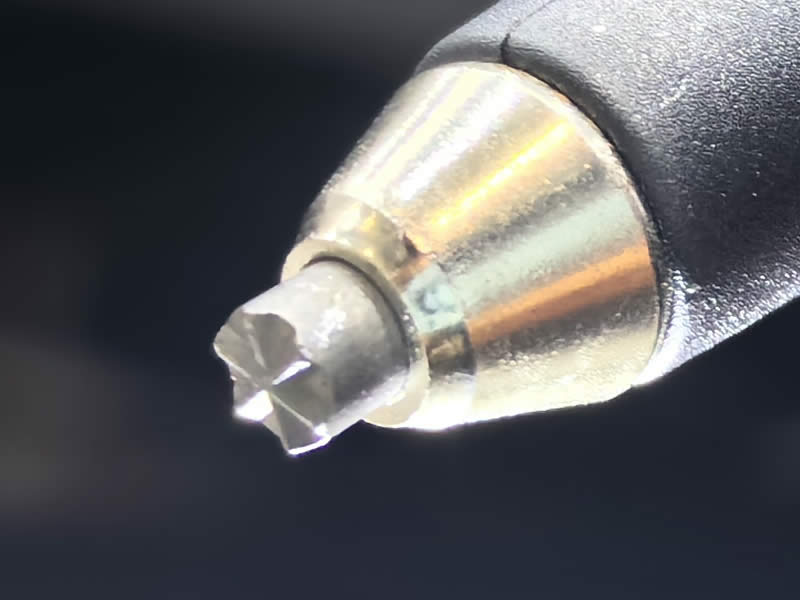
Recommended trekking pole purchase link: https://s.click.aliexpress.com/e/_c4M7OWaN
Why tungsten carbide is the clear winner
Tungsten carbide is an extremely hard ceramic‑metal composite (hardness 8.5–9 on the Mohs scale, just below diamond). It is the standard tip material on all quality trekking poles. On wet rock or roots, a sharp carbide tip performs better than any alternative for several reasons:
- Bites into micro‑texture: Even smooth rock has microscopic irregularities. A sharp carbide point penetrates these, creating friction. Steel tips are softer and round off quickly, losing this ability.
- Resists wear: Wet rock, especially sandstone or granite, is abrasive. Carbide tips last hundreds of kilometres; steel tips wear down in a few rainy hikes.
- Non‑slip in wet conditions: Unlike rubber or plastic, carbide does not become more slippery when wet. In fact, water can increase the capillary grip of a sharp point.
What about steel tips?
Budget poles often use hardened steel tips. On dry dirt, they work fine. On wet rock or roots, steel is a poor choice. Steel is softer than carbide, so the point rounds off quickly, turning into a blunt nub that skids. Also, steel is more prone to corrosion, which can roughen the surface but not in a helpful way. Avoid steel tips for any serious hiking in damp conditions.
Are rubber tips ever useful on wet rock?
No. Rubber tips (paw covers) are designed for pavement, not natural surfaces. On wet rock or roots, rubber is dangerously slippery. Never use rubber tips off‑road. Remove them before hitting the trail.
What about “ice grips” or spiked tips?
Some aftermarket products add small metal spikes (e.g., Leki Ice Grips) that fit over the carbide tip. These are excellent for solid ice but less effective on wet rock – the spikes are short and can skid. For wet rock and roots, the standard carbide tip is still best.
The importance of tip sharpness and condition
A worn carbide tip is no better than a steel tip. Check your tips regularly:
- Sharp point: Run your finger (carefully) over the tip. It should feel sharp, not rounded.
- No mushrooming: The carbide should not have flattened or flared out.
- No exposed ferrule: If you see the metal ferrule (the base that holds the carbide), the tip is worn out.
Replace worn tips immediately. Most quality poles have replaceable carbide tips (screw‑in or press‑fit). Spare tips cost €5–15 and last hundreds of kilometres.
Technique on wet rock and roots
Even the best tip needs proper technique:
- Plant vertically – an angled plant is more likely to skid.
- Push down firmly – a light tap won’t bite; apply pressure.
- Test before weighting – briefly press the tip on the surface; if it feels secure, step.
- Avoid polished areas – look for cracks or rough patches on rock.
Other factors that affect grip
- Pole length: On steep, wet rock, slightly shorten your poles to keep the plant more vertical.
- Baskets: Remove large snow baskets (they can tilt the tip). Small baskets are fine.
- Wrist straps: Use them correctly to transfer weight and reduce the need for a tight grip.
Final verdict
The best trekking pole tip for wet rock and roots is a sharp, unworn tungsten carbide tip. Steel tips are inadequate; rubber tips are dangerous. Keep your carbide tips in good condition, replace them when worn, and use proper planting technique. With the right tip, you’ll maintain traction on even the slickest trail, reducing the risk of falls and injuries. Don’t compromise – invest in quality carbide tips and check them before every wet‑weather hike.




