




Can I use WD-40 on trekking pole locks and joints?
First, a direct answer: No, you should not use standard WD‑40 on trekking pole locks and joints. While it may seem like a handy solution for everything that squeaks or sticks, using WD‑40 on your poles can do more harm than good. Here’s why, and what you should use instead.
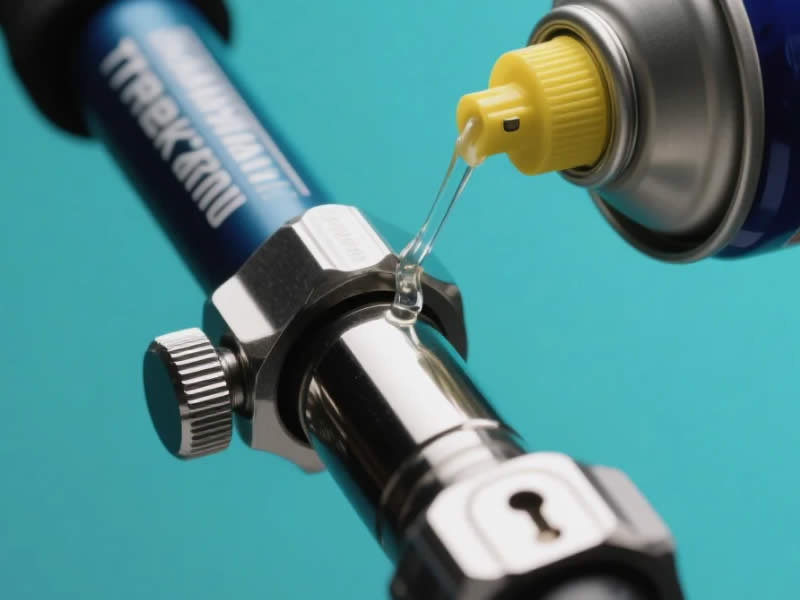
Recommended trekking pole purchase link: https://lightenup.aliexpress.com/store/1101521655
Why WD‑40 is problematic for trekking poles
WD‑40 (the original formula) is primarily a water displacer and a light solvent. It is not a long‑term lubricant. When sprayed into locking mechanisms or joints:
- It leaves a sticky, oily residue. This residue attracts dust, sand, and grit from the trail. Over time, the lock becomes a magnet for abrasive particles, causing wear and grinding.
- It can travel to clamping surfaces. If any WD‑40 seeps onto the inner shaft or the inside of the outer tube where the lock grips, it reduces friction. The result: your pole will slip under load, even if the lock feels tight.
- It may degrade plastic components. Many twist‑lock cams and lever housings are made of plastic. Some solvents in WD‑40 can cause swelling, cracking, or softening of certain plastics over time.
- It evaporates quickly. WD‑40 is not designed for sustained lubrication. After a few hours or days, the solvent evaporates, leaving behind a gummy film that can make locks stiff or sticky.
What happens when you spray WD‑40 into a lever lock?
You might think you’re helping, but you are likely pushing dirt deeper into the pivot. The lever may feel smoother for a short time, but soon it will attract more grime, and the clamping surfaces may become contaminated, causing the pole to collapse.
What should you use instead?
For trekking pole locks and joints, choose a dry lubricant or a light silicone‑based lubricant that does not attract dirt.
- For lever lock pivots (hinges): Use a single drop of light machine oil (e.g., sewing machine oil, Tri‑Flow) or a PTFE spray (e.g., WD‑40 Specialist Dry Lube). Apply to the pivot pin, work the lever, then wipe away any excess. Do not let oil touch the clamping area.
- For twist‑lock threads (the plastic screw part): Apply a tiny amount of silicone grease or lithium grease. This keeps the threads moving smoothly without affecting the friction surfaces.
- For general cleaning before lubrication: Use isopropyl alcohol or a mild degreaser, then dry thoroughly.
Proper maintenance routine for locks and joints
- Clean first: Open the lock fully. Use a soft brush (toothbrush) and water to remove dirt. Dry with a cloth.
- Apply lubricant sparingly: Only to the moving parts that need it – the lever hinge, the twist‑lock threads, or the basket screw.
- Wipe away excess: Any lubricant that squeezes out must be removed from the shaft and clamping surfaces.
- Test: Extend the pole and lock it. Apply pressure – it should not slip.
When is WD‑40 acceptable (in a limited way)?
The only time you might use WD‑40 is as a cleaning solvent to remove old sticky residue or corrosion before applying a proper lubricant. Spray it on a cloth (not directly into the lock), wipe the parts, then immediately clean again with isopropyl alcohol to remove the WD‑40 residue. Then apply your silicone spray or oil.
Key takeaway for hikers
Your trekking poles are safety equipment. Using the wrong lubricant can cause locks to fail when you need them most – on a steep descent or while crossing a stream. Stick with products labelled “dry lubricant”, “silicone spray”, or “PTFE lubricant”. Avoid standard WD‑40, grease, and cooking oils. A little care keeps your poles reliable for thousands of kilometres.
Final verdict
No, do not use standard WD‑40 on trekking pole locks and joints. It leaves sticky residue, attracts dirt, can cause slippage, and may damage plastic parts. Use a dry silicone or PTFE lubricant sparingly on pivot points, and never lubricate clamping surfaces. Clean your poles regularly, and they will serve you well without unwanted squeaks or sudden collapses.




