




How to replace cracked or worn foam handles?
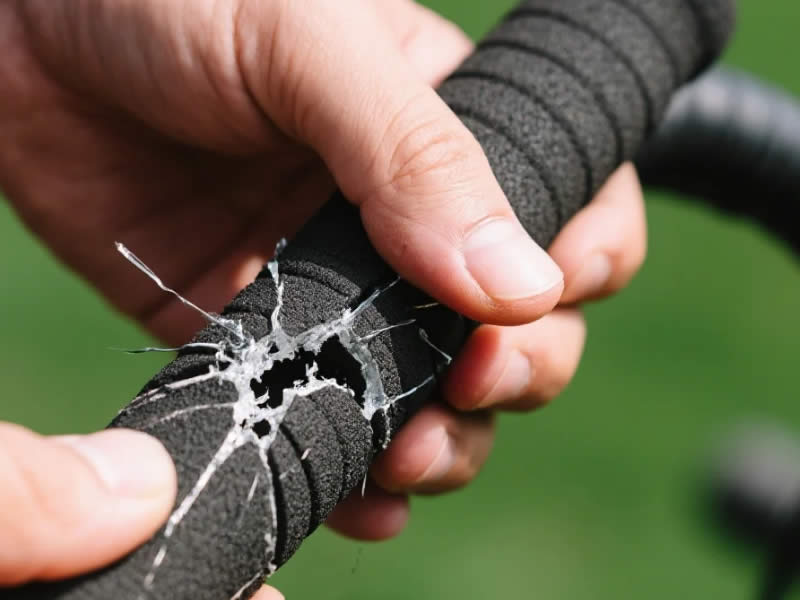
The foam grip on your trekking poles takes a lot of abuse – sweat, sun, rain, and constant friction. Over time, it can crack, crumble, or simply become too slippery to use effectively. Replacing a worn foam handle is a straightforward DIY repair that can extend the life of your poles for years. Here’s how to do it with common household tools.
Recommended trekking pole purchase link: https://lightenup.aliexpress.com/store/1101521655
First, determine if your foam handle is replaceable
Most foam grips are held in place by one of three methods:
- Friction‑fit only: The foam is simply stretched over the shaft. No glue. Common on budget poles.
- Adhesive‑backed: A layer of double‑sided tape secures the foam. Found on many mid‑range poles.
- Over‑moulded (non‑replaceable): The foam is permanently bonded to an inner plastic sleeve that is itself fixed to the shaft. If the foam is damaged, you must replace the entire top section.
If the foam is over‑moulded and not removable, you can still cut it off and install a universal foam grip over the bare shaft. The original grip becomes a liner.
Tools and materials you will need
- New foam trekking pole grips (buy from the pole manufacturer or a universal set)
- Utility knife or sharp scissors
- Isopropyl alcohol (for cleaning)
- Double‑sided tape (e.g., carpet tape, 3M VHB) or spray adhesive (e.g., 3M 77)
- Hairdryer or heat gun (on low setting)
- Fine sandpaper (optional, to roughen the shaft for better adhesion)
- Ruler or measuring tape
Step 1: Remove the old foam grip
- If the grip is not glued: Slit the old foam along its length with a utility knife. Be careful not to score the metal or carbon shaft underneath. Peel the foam off.
- If the grip is glued: Apply heat from a hairdryer (moderate heat) to soften the adhesive. Then slit and peel. Use isopropyl alcohol to remove stubborn glue residue.
- If the grip is over‑moulded: Cut it off in sections. You will be left with a smooth shaft – that’s fine.
Step 2: Prepare the shaft
- Clean the shaft thoroughly with isopropyl alcohol. Remove any old adhesive, dirt, or foam fragments.
- If the shaft is very smooth (e.g., carbon or polished aluminium), lightly sand the area where the grip will sit with fine sandpaper (220‑400 grit). This creates a better bonding surface for the tape. Wipe away dust.
Step 3: Measure and cut the new foam grip
Universal foam grips are often sold as straight tubes that you cut to length. Measure the length of your old grip (or the section you want to cover). Cut the new foam to that length using a sharp knife or scissors. A slightly angled cut can match the original ergonomic shape.
Step 4: Apply double‑sided tape or adhesive
- For friction‑fit only (no glue): You don’t need tape. The foam should stretch tightly over the shaft. If it slides, proceed with tape.
- For secure fit: Apply double‑sided tape along the shaft in a spiral or in strips. Leave a small gap at the ends to prevent oozing. Alternatively, spray adhesive onto the shaft and let it become tacky (follow manufacturer’s instructions).
Step 5: Slide the new foam grip onto the shaft
- If the foam is tight, spray a little glass cleaner or isopropyl alcohol inside the new grip as a lubricant. The lubricant will evaporate, leaving the foam stuck.
- Push the foam onto the shaft with a twisting motion. Work it down until it sits at the correct position (flush with the top of the pole or leaving room for the wrist strap pin).
- If the grip has a contoured shape (e.g., left/right specific), ensure it is oriented correctly.
Step 6: Allow to set and test
- If you used adhesive or tape, let the pole sit for 12–24 hours before using.
- Twist the grip – it should not rotate.
- Check that the wrist strap (if it attaches through the grip) still fits. You may need to drill or punch a small hole for the retaining pin on some poles.
Alternative: use a slip‑on universal grip without adhesive
Some aftermarket foam grips (e.g., from Leki or third‑party brands) are designed to be held by friction alone. They have a small inner lip that catches the top of the pole. In this case, no tape is needed – just push and twist firmly.
When to consider buying new poles instead
- If the shaft is also bent or the locking mechanism is worn out.
- If the cost of a new foam grip plus tape is nearly as much as a budget replacement pole.
- If the old foam was over‑moulded and the exposed shaft is an odd diameter (e.g., 12 mm) that universal grips don’t fit.
Preventive care for foam grips
- Rinse foam grips with fresh water after hiking in salt or mud.
- Avoid leaving poles in direct sunlight for weeks (UV degrades foam).
- If the foam becomes slippery from sweat, wash with mild soap and water.
Final verdict
Replacing cracked or worn foam handles is a simple, low‑cost repair that can give your old trekking poles a new lease on life. With a new foam grip, you restore comfort, grip, and control. Measure carefully, clean the shaft, use double‑sided tape for a secure bond, and slide on the new foam. Do it yourself in 20 minutes and save the cost of buying new poles – only to swap over the same working shafts and locks.




