




How long should a good set of trekking poles last with regular use?
A good set of trekking poles is an investment in your comfort and safety on the trail. With proper care and maintenance, quality poles can last for many years and thousands of kilometres. However, the exact lifespan depends on the materials, frequency of use, terrain, and how well you look after them. Here’s a realistic guide to how long you can expect your poles to last, and when it’s time to replace them.
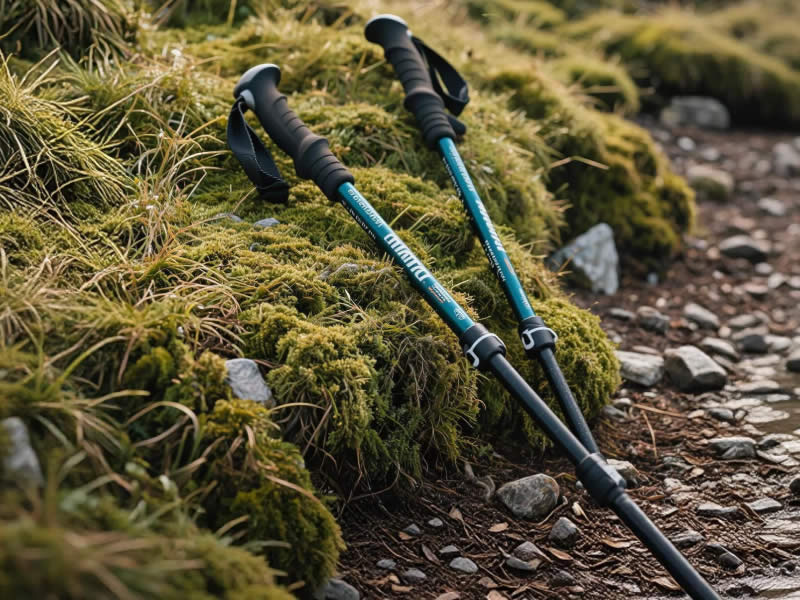
Recommended trekking pole purchase link: https://lightenup.aliexpress.com/store/1101521655
Typical lifespan by material
- 7075 aluminium poles (e.g., Leki Makalu, Black Diamond Trail Pro): These are the most durable. With regular use (say 20–30 hiking days per year) and basic maintenance, they typically last 5–10 years or 3,000–5,000 kilometres (about 1,800–3,100 miles). Many hikers report using the same aluminium poles for over a decade, only replacing tips and baskets. Aluminium bends rather than snaps, so even after a fall you can often straighten a bent section and continue.
- Carbon fibre poles (e.g., Black Diamond Distance Carbon Z, Leki Cressida): Carbon is lighter but more brittle. Under normal use on smooth trails, they last 3–5 years or 2,000–3,000 kilometres. However, a single sideways jam or fall on rocky terrain can snap a carbon pole instantly, ending its life prematurely. For rough, rocky trails, carbon has a shorter effective lifespan due to higher risk of catastrophic failure.
- Budget aluminium poles (unknown alloy, twist locks): These may last only 1–2 seasons or 200–500 km before locks slip, tips wear out, or shafts bend permanently. They are not a good long‑term investment.
Factors that shorten lifespan
- Hiking on sharp, abrasive rock (e.g., granite, limestone) – wears down carbide tips faster (every 500–1,000 km instead of 1,000–2,000 km).
- Frequent falls or using poles as levers – can bend aluminium or snap carbon.
- Lack of cleaning – dirt in locks causes wear; salt from sweat or coastal air corrodes metal.
- Storing poles wet or collapsed – promotes internal corrosion and lock damage.
- Heavy pack weight (over 15 kg) – accelerates wear on locks and shafts.
- Twist locks – generally fail sooner than lever locks; the internal cams wear out.
Replaceable parts extend overall life
A good set of poles is designed to have consumable parts replaced. You can extend the life of your poles almost indefinitely by swapping out:
- Carbide tips – replace every 500–1,500 km depending on terrain. Most quality poles have screw‑in or press‑fit tips (€5–15 per pair).
- Baskets – replace when cracked or lost (€3–10 per pair).
- Wrist straps – replace when frayed (€10–20 per pair).
- Lever lock assemblies – many brands sell replacement levers (e.g., Leki SpeedLock repair kit).
- Foam or cork grips – some can be slid off and replaced.
Signs that your poles need replacement (not just parts)
- The shaft is bent or cracked – a bent aluminium pole can sometimes be straightened, but a crease or kink means the metal is fatigued. A carbon pole with any crack or splinter must be replaced immediately – do not attempt to repair.
- The locking mechanism no longer holds, even after cleaning and adjustment – if the lever or twist cam is worn beyond repair and spare parts are unavailable, it’s time for new poles.
- The tip ferrule is worn out and non‑replaceable – budget poles with moulded‑in tips become useless once the tip wears down.
- The pole has collapsed on you more than once – trust your safety to new poles.
How to maximise lifespan
- Clean after every muddy or salty hike – rinse with fresh water, dry thoroughly, and extend poles to store.
- Lubricate lever lock pivots and twist‑lock threads sparingly (use silicone spray or light oil). Never lubricate clamping surfaces.
- Replace tips before they become completely blunt – a sharp tip places less stress on the lock and shaft.
- Store poles extended (or at least not fully collapsed) in a dry place.
- Avoid using poles as tent pegs or levers – they are not designed for prying.
- Use rubber tips on pavement to preserve carbide.
Real‑world examples
- Weekend hiker (gentle trails, 10 trips/year) – aluminium poles can last 8–10 years with basic care.
- Thru‑hiker (5,000 km trail, mixed terrain) – a pair of quality aluminium poles will often survive the entire trail, but you may need to replace tips once or twice. Carbon poles on the Appalachian Trail (rocky) have a higher failure rate; many thru‑hikers carry a repair sleeve.
- Alpine guide (daily use on rock) – aluminium poles may last 2–3 years before shafts become too bent or locks wear out.
Final verdict
A good set of 7075 aluminium trekking poles with lever locks, used regularly and maintained properly, should last 5–10 years or 3,000–5,000 km. Carbon poles last 3–5 years under similar conditions but are more prone to sudden failure. Budget poles are false economy. Invest in quality, replace consumable parts, and your poles will serve you faithfully for thousands of miles – and many memorable hikes.




