




What are the most durable trekking poles for Brazilian Atlantic Forest trails?
The Brazilian Atlantic Forest (Mata Atlântica) is a hiker’s paradise – and a gear‑killer. With humidity often above 80%, frequent rain, muddy trails, slippery tree roots, and sections of sharp granite, your trekking poles need to be exceptionally durable. Cheap twist‑lock poles will slip; carbon poles may snap; and low‑grade aluminium will corrode. For this environment, the most durable trekking poles are 7075 aluminium with lever locks, cork grips, and replaceable carbide tips. Here’s why and which models lead the pack.
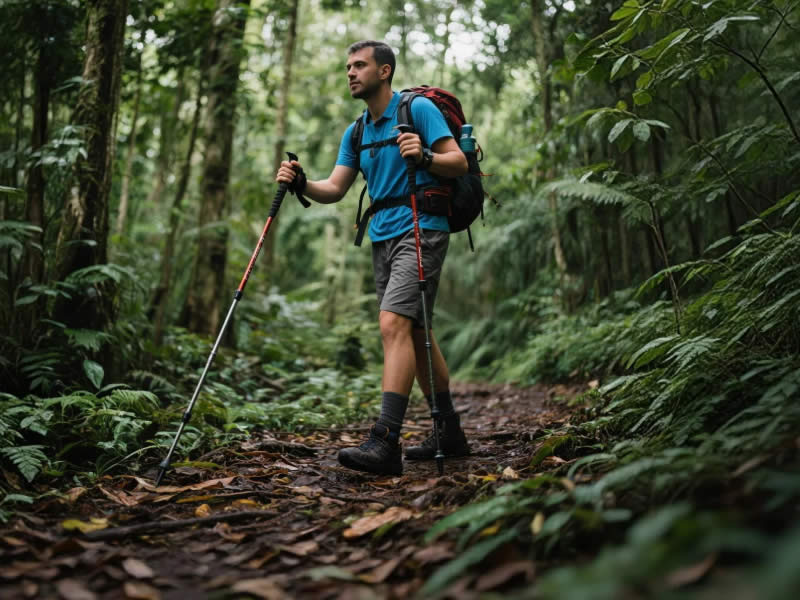
Recommended trekking pole purchase link: https://lightenup.aliexpress.com/store/1101521655
Why durability matters in the Atlantic Forest
- High humidity and rain – Metal parts can rust or corrode. Stainless steel and anodised aluminium are essential.
- Mud and water – Twist locks trap mud and slip; lever locks are external and self‑cleaning.
- Frequent stream crossings – Poles will be submerged; locking mechanisms must resist freezing (not an issue in Brazil) but also silt ingress.
- Rocky, rooty terrain – Lateral stress is common. Aluminium bends; carbon snaps.
- Abrasive surfaces – Quartzite and granite wear down tips quickly. Replaceable carbide tips are mandatory.
Key features for maximum durability
- Material: 7075 aluminium (not 6061). This alloy is heat‑treated for strength and resists bending. It also has a protective anodised coating that stands up to humidity and mud. Avoid carbon – it fails catastrophically when jammed between rocks.
- Locking mechanism: Lever locks (e.g., Leki SpeedLock, Black Diamond FlickLock). They are external, easy to clean, and do not rely on internal friction that fails when wet. Twist locks are a common point of failure on Atlantic Forest trails.
- Grips: Cork or high‑density foam. Cork absorbs sweat (you will sweat a lot) and remains non‑slip. Foam is also good but can become slippery after hours of rain. Avoid rubber – it becomes sticky and uncomfortable.
- Tips: Tungsten carbide, replaceable. You will go through tips faster on Atlantic Forest granite. Screw‑in or press‑fit tips allow you to swap them out without replacing the whole pole.
- Corrosion resistance: Look for stainless steel screws and anodised shafts. Rinse with fresh water after every hike to remove mud and salt (if hiking near the coast).
Top durable poles for the Atlantic Forest
1. Leki Makalu (7075 aluminium, SpeedLock, cork grip) – The gold standard. The SpeedLock lever is field‑adjustable and has proven reliability in all conditions. The cork grip handles humidity and sweat perfectly. The carbide tip is replaceable. Leki also sells spare parts (locks, straps, even lower shaft sections) – crucial for long‑term durability. Weight: ~260g per pole. Price: ~€100 (imported, will cost more in Brazil, but worth it).
2. Black Diamond Trail Pro (aluminium, FlickLock, foam grip) – Very similar durability. The FlickLock is bombproof and easy to use with wet hands. The foam grip is comfortable but may become slippery in torrential rain; some users prefer cork. The Trail Pro has a slightly thicker shaft than the Leki, giving extra stiffness. Weight: ~270g per pole.
3. Komperdell Expedition Alu – Designed for heavy use. Oversized lever locks, 18 mm shaft, and reinforced lower section. It includes large snow baskets – remove them for the Atlantic Forest. A tank of a pole, but heavier (290g per pole). Ideal if you are a larger hiker or carry a heavy pack.
4. Decathlon Forclaz MT500 (budget durable option) – At around 250–300 BRL, this aluminium pole with lever locks and cork grip is surprisingly durable. Not as refined as Leki, but for the price, it holds up well to Atlantic Forest conditions. The lock may need occasional tightening. Good for hikers on a tighter budget.
Maintenance for long life in the Atlantic Forest
- Rinse with fresh water after every hike – especially if you’ve been in mud or coastal areas. Pay attention to the locks.
- Dry thoroughly – extend poles and leave them in a ventilated area. Never store collapsed and wet.
- Apply silicone spray to the lever lock pivots every few months – prevents rust and keeps action smooth.
- Inspect tips – replace when the carbide is visibly rounded. Worn tips can still grip, but for steep, slippery roots, a sharp tip is safer.
- Check lock tension – before each hike, close the lever locks. They should require firm pressure. Adjust the dial if they close too easily.
What to avoid in the Atlantic Forest
- Twist‑lock poles – they will slip when wet, and mud will jam them.
- Carbon fibre poles – one sideways jam between granite boulders and they are gone.
- Non‑replaceable tips – once worn, the pole is useless.
- Rubber grips – become slippery and degrade in humidity.
- Cheap, non‑anodised aluminium – can corrode and leave white powder residue.
Final verdict
For the Brazilian Atlantic Forest’s unforgiving conditions, the most durable trekking poles are 7075 aluminium with lever locks, cork grips, and replaceable carbide tips. The Leki Makalu is the top recommendation for those willing to invest. The Decathlon Forclaz MT500 offers excellent value for money. Avoid carbon and twist locks. With proper maintenance (rinse, dry, lubricate), your poles will withstand the humidity, mud, and granite of this magnificent biome for many years. Happy trails on the Caminho do Ouro, the Trilha Transcarioca, and beyond.




