




What is the best Leki trekking pole for heavy‑duty Brazilian mountain treks?
For heavy‑duty Brazilian mountain treks – such as the Serra Fina crossing, the Travessia Petrópolis–Teresópolis, or the ascent of Pico da Bandeira – your trekking poles need to withstand sharp quartzite, constant humidity, steep grades, and heavy pack loads. The best Leki pole for these conditions is the Leki Makalu (7075 aluminium, SpeedLock lever, cork grip). For extreme loads or very tall/heavy hikers, the Leki Khumbu (thicker shaft, reinforced lower section) is an option. Avoid carbon models like the Cressida – they are too brittle for Brazilian rock. Here’s why.
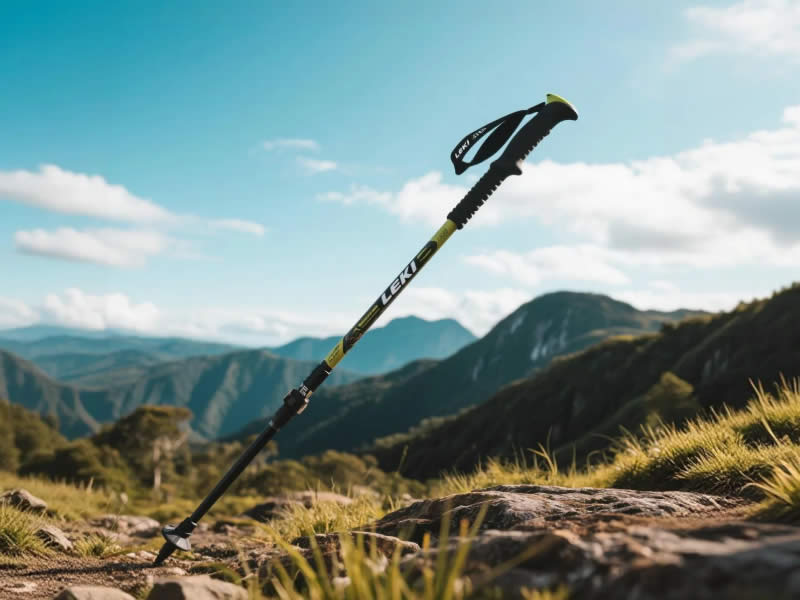
Recommended trekking pole purchase link: https://lightenup.aliexpress.com/store/1101521655
Why the Leki Makalu is the top choice for heavy‑duty Brazilian treks
- 7075 aluminium shaft – This alloy is heat‑treated for maximum strength and ductility. Unlike carbon, it bends when overloaded, and you can often straighten a bent section on the trail. Carbon snaps without warning, which is dangerous on remote routes.
- SpeedLock lever locks – External levers are unaffected by rain, mud, or sweat. They provide visual confirmation and can be tightened with a simple dial. Twist locks slip in wet conditions – a liability on Brazil’s humid mountains.
- Cork grip – The Aergon cork grip absorbs sweat, stays non‑slip, and moulds to your hand. The extended foam section allows you to choke up on steep climbs without adjusting length.
- Replaceable tungsten carbide tips – Brazilian quartzite wears tips quickly. You can swap them out in minutes. Spare tips are available from Leki importers in Brazil (Adventure Sport, Dancor).
- Field repairability – You can buy replacement SpeedLock levers, straps, and even lower shaft sections. This is crucial for multi‑day treks where a broken pole could end your trip.
- Weight – 260g per pole (520g per pair) – light enough for long days, heavy enough for durability.
When to consider the Leki Khumbu
The Khumbu is a beefed‑up version of the Makalu: thicker shaft (18 mm vs. 16 mm), oversized SpeedLock levers, and a reinforced lower section. It weighs about 290g per pole. Choose the Khumbu if:
- You are a heavy hiker (over 100 kg / 220 lbs).
- You carry a very heavy pack (15+ kg / 33+ lbs) on multi‑day treks.
- You are exceptionally tall (over 190 cm) and need a stiffer pole.
- You prefer an even more robust feel.
For most hikers, the Makalu is sufficient; the Khumbu is overkill but appreciated by those who want absolute toughness.
Why not Leki Cressida (carbon)?
The Cressida is lighter (200g per pole) and uses carbon fibre. On Brazilian rocky trails, carbon poles have a higher risk of snapping when jammed sideways. Even if you are careful, a fall or a hidden crack can cause failure. For heavy‑duty treks, aluminium is safer.
Where to buy and maintain in Brazil
- Adventure Sport (São Paulo, online) – Authorised importer. Stocks Makalu, Khumbu, spare parts.
- Dancor (online) – Another reliable source.
- Price – Makalu: 600‑800 BRL; Khumbu: 800‑1,000 BRL.
Maintenance for Brazilian conditions
- After every hike, rinse poles with fresh water to remove red mud (terra rossa) and dry them fully extended.
- Check SpeedLock tension – The lever should close firmly. Adjust the dial if needed.
- Carry spare tips – Replace when the carbide point becomes rounded.
- Apply a drop of oil to the SpeedLock pivot annually.
Final verdict
For heavy‑duty Brazilian mountain treks, the Leki Makalu is the best all‑round choice. It combines durability, repairability, and comfort. The Leki Khumbu is a worthwhile upgrade for very heavy loads or very tall hikers. Avoid carbon. With proper care, your Leki poles will handle the quartzite, humidity, and steep grades of Brazil’s most challenging treks, keeping you safe and efficient for years.




