




What is the most corrosion‑resistant trekking pole material for coastal hikes?
If you love hiking along the coast – whether on Brazil’s Ilha Grande, the cliffs of the Algarve, or the Pacific Coast Trail – your trekking poles face a relentless enemy: salt. Salt spray, sea breeze, and even sweat accelerate corrosion. The most corrosion‑resistant material for trekking poles is titanium, but it is expensive and rarely necessary. For most coastal hikers, high‑quality anodised 7075 aluminium offers excellent corrosion resistance at a reasonable price, provided you maintain it properly. Here’s a detailed breakdown.
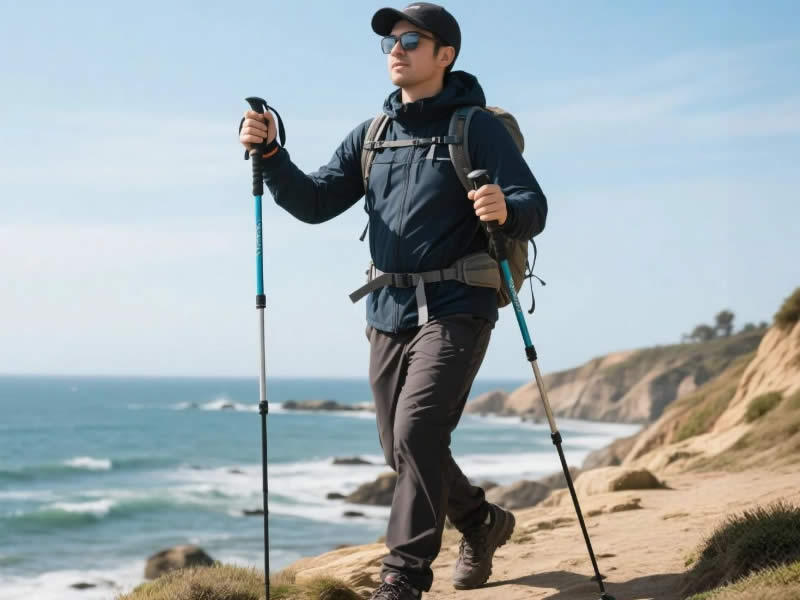
Recommended trekking pole purchase link: https://lightenup.aliexpress.com/store/1101521655
Understanding corrosion in coastal environments
Salt is hygroscopic (it attracts moisture) and accelerates electrochemical corrosion. Steel rusts quickly; aluminium forms a protective oxide layer that can be damaged by chlorides; carbon fibre is inert but its metal components (tips, screws) are not.
Ranking of materials for corrosion resistance
- Titanium – Virtually immune to saltwater corrosion. It forms a stable, protective oxide layer that is not attacked by chlorides. Titanium poles are very light and strong, but they are extremely expensive (often $200–400 per pair) and rarely available in mainstream brands. For most coastal hikers, they are overkill.
- Anodised 7075 aluminium – High‑quality aluminium alloy with a hard anodised coating. The anodising layer is porous and can be sealed to resist salt. With regular rinsing, 7075 aluminium poles (e.g., Leki Makalu, Black Diamond Trail Pro) last for many years on coastal trails. They offer the best balance of cost, weight, and corrosion resistance.
- Carbon fibre – The carbon itself does not corrode. However, the metal components (ferrules, screws, lock mechanisms) are still vulnerable. Also, carbon poles are often more expensive and brittle. They are acceptable for coastal hiking as long as you rinse the metal parts.
- Stainless steel – Some cheap poles use stainless steel shafts or components. Steel can still rust, especially in crevices. Not recommended for coastal hikes.
- Non‑anodised or cheap aluminium – Uncoated aluminium (e.g., some budget poles) will quickly develop white powdery corrosion (aluminium oxide) and pitting in salt air. Avoid.
The best balance: anodised 7075 aluminium with proper care
For 99% of coastal hikers, 7075 aluminium with a good anodised finish is the smart choice. It resists salt well when maintained. Examples:
- Leki Makalu
- Black Diamond Trail Pro
- Decathlon Forclaz MT500
Maintenance protocol for coastal hikes
- Rinse after every hike – Use fresh water to wash off salt, sand, and sweat. Pay special attention to locking mechanisms, tip ferrules, and basket attachments.
- Dry thoroughly – Extend poles fully and let them air dry. Never store them collapsed and wet.
- Apply a light corrosion inhibitor – Once a month, wipe the shafts with a silicone spray or a cloth lightly oiled with machine oil. Avoid oil on clamping surfaces.
- Lubricate moving parts – A drop of light oil on lever lock pivots and twist‑lock threads (not the friction area) prevents salt‑induced stiffness.
- Inspect for pitting – If you see deep pits or flaking, replace the section.
What about titanium? – If you hike daily in a very harsh marine environment (e.g., coastal guide) and budget is no object, titanium poles from specialist brands (e.g., Komperdell Titanium) are superb. But for the occasional coastal weekend, they are unnecessary.
Final verdict
The most corrosion‑resistant material for coastal hikes is titanium, but its high cost and limited availability make it impractical for most hikers. The best real‑world choice is anodised 7075 aluminium paired with diligent rinsing and drying. Avoid cheap, non‑anodised aluminium and uncoated steel parts. With simple care, quality aluminium poles will serve you for many salt‑sprayed miles. For added peace of mind, carry a small spray bottle of fresh water and a cloth to wipe down your poles immediately after a beach walk. Happy coastal trekking!




