




What is the best trekking pole tip for slippery moss‑covered rocks?
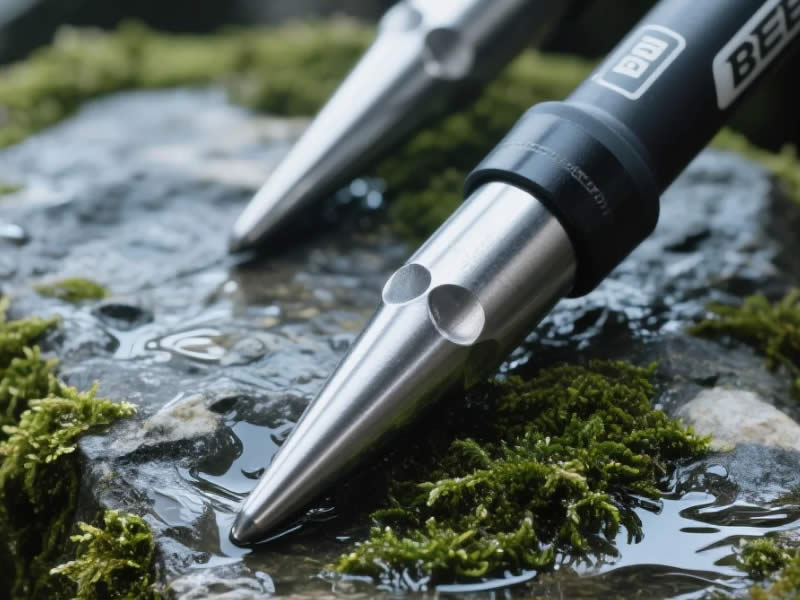
When you are hiking on wet, moss‑covered rock – common in rainforests, the Atlantic Forest, the Pacific Northwest, or the UK’s Lake District – your trekking pole tip can mean the difference between a secure plant and a dangerous slip. The clear winner is the tungsten carbide tip. It is hard enough to bite through the slippery moss layer and find purchase on the rock underneath. Rubber tips are useless, and even steel tips wear quickly. Here’s everything you need to know to stay safe on mossy surfaces.
Recommended trekking pole purchase link: https://lightenup.aliexpress.com/store/1101521655
Why moss‑covered rocks are treacherous
Moss grows in damp, shaded environments. It forms a thick, spongy layer that holds water, becoming extremely slippery. A pole tip that skids on the moss can throw you off balance, leading to a fall on hard rock. The ideal tip must penetrate the moss, not just rest on it.
Comparing tip materials
Tungsten carbide – the best choice
Tungsten carbide is extremely hard (8.5–9 on Mohs scale). A sharp carbide tip punches through the moss layer and bites into the rock below. Even if the rock is wet, the carbide point finds micro‑cracks and irregularities. Carbide also resists wear from the abrasive rock. Most quality trekking poles (Leki, Black Diamond, Komperdell, Decathlon) use replaceable carbide tips.
Steel tips – a poor alternative
Some budget poles use hardened steel tips. Steel is much softer than carbide, so the point rounds off quickly. A blunt steel tip slides on moss and rock. Steel also corrodes in humid environments. Avoid steel tips for mossy terrain.
Rubber tips – dangerous
Rubber “paw” covers are designed for pavement, not trails. On wet moss, rubber is extremely slippery – you will have zero grip. Never use rubber tips on natural surfaces.
Adding ice grips for extreme conditions
If the moss is covering smooth, polished rock (e.g., granite slabs in a rainforest), even carbide tips may struggle. In these cases, attach ice grips (spiked rubber covers) over the carbide tip. Ice grips have small metal spikes that dig into the moss and rock, providing exceptional traction. Brands like Leki (“Ice Grips”), Black Diamond (“Ice Tip”), and Komperdell (“Ice Star”) offer them. Use them only on the slipperiest sections; remove them on dirt or soft ground to avoid damaging the spikes.
Technique for planting on mossy rocks
- Plant vertically – An angled plant is more likely to skid. Push the tip straight down.
- Apply firm pressure – A light tap won’t penetrate moss. Push until you feel the tip hit rock.
- Test before committing weight – Give the pole a quick press; if it skids, reposition.
- Use two poles – Four points of contact are far more stable than two.
- Keep your weight centred – Avoid leaning on the poles; use them for balance, not as a crutch.
Maintaining carbide tips for mossy trails
- Keep tips sharp – A dull carbide point will not penetrate moss. Replace tips when they become rounded.
- Carry spares – On long hikes in rocky, mossy terrain, tips wear faster. Have a spare pair in your pack.
- Clean after use – Remove moss residue; it can dry and harden, reducing sharpness.
What about folding Z‑poles? – They also use carbide tips, so the same advice applies. The pole’s locking mechanism is separate; ensure your locks are lever‑type for reliability in wet conditions.
Final verdict
For slippery moss‑covered rocks, the best trekking pole tip is a sharp, unworn tungsten carbide tip. It penetrates moss and bites into rock. Avoid steel and rubber tips. For extreme slipperiness, add spiked ice grips. With the right tip and technique, you can walk confidently over wet, mossy terrain that would otherwise be a hazard. Always test your plant before shifting weight, and keep your carbide tips in top condition. Happy – and safe – hiking!




