




Are there trekking poles with built‑in mosquito repellent or bug protection?
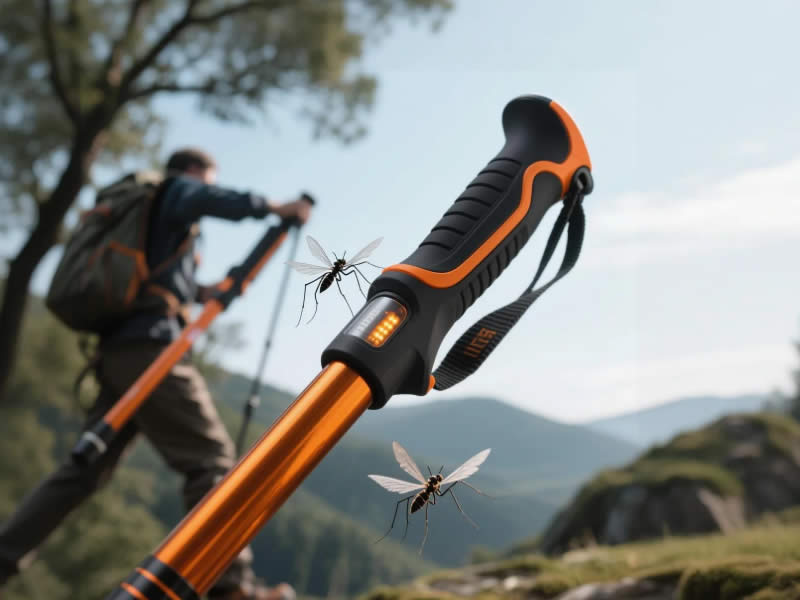
No – despite clever marketing claims, there are no mainstream, reliable trekking poles with built‑in mosquito repellent or bug protection. You will not find poles that actively repel insects through built‑in repellent systems, ultrasonic emitters, or infused materials. The simple reason: such features would be ineffective, short‑lived, or impractical for a product that is constantly handled, sweated on, and exposed to the elements. For Brazilian trails – where mosquitoes, biting flies, and other insects can be relentless – you need a different strategy. Here is a detailed explanation and practical alternatives.
Recommended trekking pole purchase link: https://lightenup.aliexpress.com/store/1101521655
Why built‑in repellent poles don’t exist (and wouldn’t work)
- Limited surface area – Even if the handles were infused with a repellent (e.g., permethrin or citronella), the contact area with your hands is small. Mosquitoes are attracted to exposed skin, not to your pole grips. Repellent on the poles would not protect your legs, arms, neck, or face.
- Wear and tear – Sweat, rain, and abrasion would quickly wash away or degrade any surface treatment. After a single muddy hike, the repellent would be gone.
- Safety and durability – Adding chemical repellents to grips could cause skin irritation, especially if you have sensitive skin. Ultrasonic or electronic devices would require batteries, add weight, and likely fail in wet, humid conditions (common in tropical Brazil).
- No demand – Reputable outdoor gear manufacturers (Leki, Black Diamond, Komperdell, Decathlon) focus on strength, weight, lock reliability, and comfort. Insect protection is a niche that is better solved by clothing and topical repellents.
What you might find (and should avoid)
Some no‑name sellers on online marketplaces claim to sell “mosquito‑repellent trekking poles” or poles with “citronella‑infused grips.” These are almost always scams. The citronella smell fades quickly, and there is no evidence that it repels mosquitoes when applied to a handle. Do not waste your money.
Effective alternatives for bug‑prone Brazilian trails
Brazil is home to many biting insects, including mosquitoes (dengue, chikungunya, Zika carriers), borrachudos (biting midges), and carrapatos (ticks). Here is what actually works:
- Topical insect repellent – Apply DEET (30‑50%), picaridin (20%), IR3535, or oil of lemon eucalyptus (OLE) to your exposed skin and clothing. Reapply as directed. DEET can damage some plastics and synthetic fabrics, so be careful with your pole grips and straps. Wash your hands after application to avoid transferring repellent to your poles.
- Treat your pole straps and clothing – You can spray a permethrin solution onto your trekking pole wrist straps, your backpack, and your clothing (especially socks, pants, and shirt cuffs). Permethrin is an insecticide that repels and kills ticks, mosquitoes, and other insects. It binds to fabric and lasts through several washes. Do not apply permethrin directly to your skin – only to clothing and gear. Let it dry completely before use.
- Physical barriers – Wear lightweight, long‑sleeved shirts and pants treated with permethrin. Use a mosquito head net for very heavy infestations. Consider gloves if biting insects target your hands.
- Smart timing – In many tropical regions, mosquitoes are most active at dawn and dusk. Plan your hike to avoid these peak times, or take shelter during the worst hours.
- Avoid standing water – Mosquitoes breed in stagnant water. When taking breaks, choose open, breezy areas away from swamps, puddles, or slow streams.
What about “bug‑repellent” wristbands or clip‑ons? – These have limited effectiveness and are not a substitute for proper repellent. Some hikers use them as an extra layer, but they are not powerful enough for the dense insect populations of the Amazon or Atlantic Forest.
Practical advice for Brazilian hikers
- Carry a small bottle of repellent in your hip belt pocket for easy reapplication.
- Treat your hat, buff, and shirt collar with permethrin before your trip.
- Wash your hands after applying repellent to avoid transferring it to your pole grips, which could become slippery.
- If you are allergic to DEET, choose picaridin (odourless, less greasy) or OLE.
Final verdict
No, there are no effective trekking poles with built‑in mosquito repellent or bug protection. Ignore gimmicky products. Instead, protect yourself with proven methods: use a reliable insect repellent on your skin, treat your clothing and pole straps with permethrin, and wear physical barriers like long sleeves and head nets. On Brazil’s bug‑heavy trails, these strategies will keep you comfortable and safe – far better than any imaginary pole‑based solution. Hike smart, and enjoy the incredible biodiversity of Brazil without becoming a mosquito buffet.




