




What is the best way to pack trekking poles for a flight to Brazilian airports?
Flying to or within Brazil with trekking poles requires careful planning. Brazilian airport security (like most countries) prohibits trekking poles in carry‑on luggage – they are considered blunt objects or potential weapons. You must place them in checked baggage. Here is the best way to pack your trekking poles for a safe journey through Brazilian airports, ensuring they arrive undamaged and without hassle.
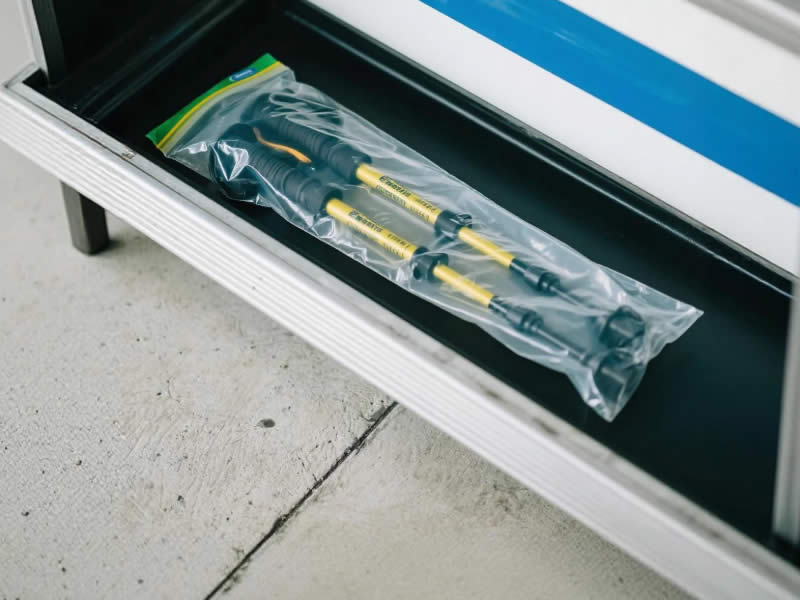
Step 1: Know the rules for Brazilian airports
- Carry‑on (bagagem de mão): Absolutely not allowed. ANAC (Brazil’s civil aviation agency) and individual airlines (LATAM, Gol, Azul) explicitly list trekking poles, walking sticks, and ski poles as prohibited items in the cabin. Even if folded to a small size, they will be confiscated at security.
- Checked baggage (bagagem despachada): Allowed. Pack them securely. No special fees are typically charged if within your weight allowance, but check your airline’s policy for oversized items.
- International flights to/from Brazil: Same rules apply – checked baggage only. Security screening at Brazilian airports (GRU, GIG, BSB, etc.) is strict.
Step 2: Prepare your poles for packing
- Collapse or fold your poles completely:Telescopic poles: shorten each section to the minimum length. Loosen locks slightly to relieve pressure.Foldable Z‑poles: fold them into their compact bundle.
- Remove baskets (both summer and snow). They can snap off or poke through fabric. Store them in a small ziploc bag inside your suitcase.
- Cover the carbide tips – this is critical. Use rubber tip covers (often included with poles). If you don’t have them, use:Several layers of duct tape.A wine cork (push the tip into it).A piece of foam or a thick glove.Sharp tips can puncture your suitcase, other gear, or even injure baggage handlers.
- Secure wrist straps – tuck them into the collapsed sections or tie them with a rubber band to prevent snagging.
Step 3: Choose your packing method
Method A: Inside a hard‑sided or soft‑sided checked suitcase (recommended)
- Place the collapsed poles vertically against the side of the suitcase (or diagonally if needed).
- Wrap them in soft items – a fleece jacket, a towel, or clothing – to prevent rattling and protect the bag.
- Position the tips at the bottom of the case, away from zippers and delicate items (camera, water filter, tent).
- Use compression straps inside the suitcase to hold them in place.
Method B: Dedicated pole sack (if you have one)
- Many poles come with a fabric storage bag. Place the collapsed poles inside, then put the bag in your suitcase.
- If no bag, use a stuff sack or a large zippered pouch. This keeps the poles contained and prevents them from shifting.
Method C: Strapping externally (not recommended for checked bags)
- If you are using a duffel bag as checked luggage, you can strap poles to the outside using compression straps. However, this is risky as they can catch on conveyor belts. Only do this if the poles are in a hard tube or well‑padded.
Step 4: Consider using a hard tube for expensive poles
If you have expensive carbon or aluminium poles, consider buying a hard plastic tube (often sold as fishing rod cases or camping pole tubes). Collapse your poles, place them inside the tube, and then put the tube in your suitcase. This provides maximum protection against crushing.
Step 5: Label your bag and poles
Attach a luggage tag with your name, phone number, and email address to the outside of your suitcase. Additionally, inside the suitcase, put a piece of masking tape with your contact info on the pole sack or the poles themselves. If your bag is lost, this increases the chance of recovery.
Step 6: Check airline baggage allowances
Brazilian airlines have different weight limits for checked bags:
- LATAM: Typically one checked bag up to 23 kg for international flights; domestic may have lower allowances.
- Gol: Similar, often 23 kg for international, 12‑23 kg for domestic depending on fare.
- Azul: Generally 23 kg for domestic “Azul” flights; lower for “Azul Conecta”.
Your poles weigh very little (300‑600 g), but they count towards your total weight. Ensure your suitcase is within the limit to avoid excess fees.
Step 7: What not to do
- Never pack poles in carry‑on. Even if security misses them at your departure airport, they will likely be caught at connection or return.
- Do not leave tips uncovered – they will tear your suitcase.
- Do not pack poles extended – they will not fit and are more likely to bend.
- Do not rely on a simple cardboard tube – it will be crushed.
Step 8: After arrival in Brazil
- Retrieve your checked bag and inspect the poles. Check that they are straight, locks work, and tips are still covered.
- Unpack and let the poles air out if they have been in a humid suitcase.
- If flying domestically within Brazil, repeat the same packing process – the rules are identical.
Alternative: ship your poles to Brazil
If you are worried about checking luggage, you can ship your trekking poles via international courier (DHL, FedEx) to your hotel or a post office in Brazil. This can be expensive but avoids baggage fees and the risk of loss. Note that Brazilian customs may charge import duties on shipments.
Final checklist before your flight
- Poles collapsed/folded
- Baskets removed and stored
- Carbide tips covered
- Wrapped in clothing or placed in a sack
- Inside a checked suitcase (never carry‑on)
- Airline baggage weight and size limits confirmed
- Contact label attached
Final thoughts
Packing trekking poles for a flight to Brazilian airports is straightforward: collapse, cover tips, remove baskets, wrap in soft items, and place in checked luggage. Never attempt to carry them on. With careful preparation, your poles will arrive safely, ready for the stunning trails of Chapada Diamantina, Serra dos Órgãos, or the Amazon. Safe travels and happy hiking in Brazil!




