




How to prevent trekking pole corrosion and rust in humid Brazil?
Hiking in Brazil’s humid environments – the Atlantic Forest, the Amazon, or the coastal mountains – is a joy, but the constant moisture, sweat, and acidic red mud (terra rossa) can wreak havoc on your trekking poles. Corrosion on aluminium shafts, rust on steel components (screws, springs, tip ferrules), and seized locking mechanisms are common problems. However, with a few simple habits, you can keep your poles in excellent condition for years. Here is a complete guide to preventing corrosion and rust in humid Brazil.
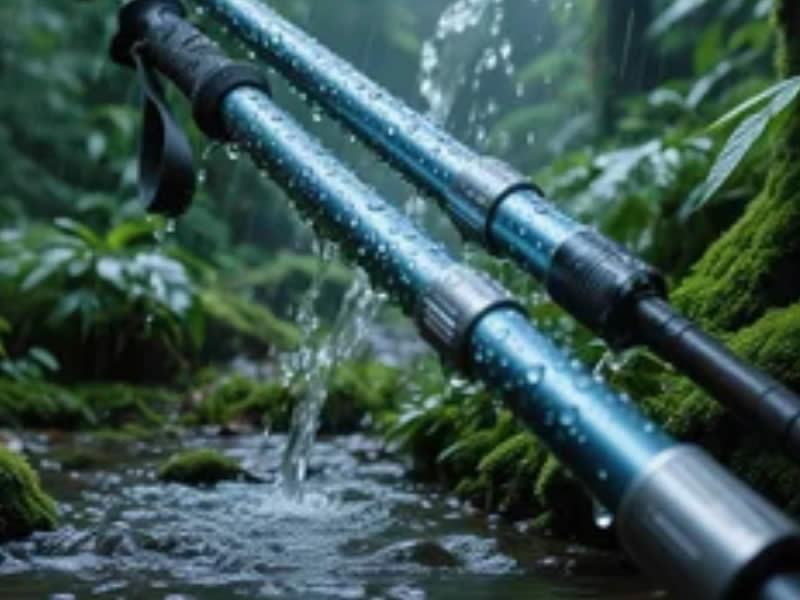
Recommended trekking pole purchase link: https://lightenup.aliexpress.com/store/1101521655
Why Brazil’s humidity is tough on poles
- High relative humidity (often >80%) promotes electrochemical corrosion.
- Frequent rain and stream crossings mean your poles are often wet.
- Sweat from your hands contains salt, which accelerates corrosion on grips and straps.
- Acidic mud (terra rossa) can pit aluminium and attack anodised coatings.
- Heat (especially in a closed car) speeds up chemical reactions.
Step 1: Rinse after every hike – the most important step
Immediately after returning from a hike, rinse your poles with fresh water. Use a hose, a tap, or a water bottle with a sports cap. Pay special attention to:
- Locking mechanisms – open lever locks and flush water through to remove mud and grit.
- Tip ferrules – where the carbide tip meets the shaft, mud can hide.
- Basket grooves – remove baskets and rinse underneath.
- Inner shafts – extend poles fully and rinse the overlapping sections.
For twist‑lock poles, unscrew the lock slightly and flush water into the joint. Avoid high‑pressure water (e.g., pressure washer) which can force water into sealed sections.
Step 2: Dry thoroughly – never store wet
Rinsing is useless if you don’t dry the poles completely. Moisture trapped inside the locks or between sections will cause corrosion within days.
- Extend the poles fully – leave them extended for several hours in a well‑ventilated area. Do not collapse them while wet.
- Wipe with a dry cloth – remove visible water from shafts and grips.
- Use compressed air or a hairdryer on cool setting to blow water out of lever lock pivots and twist‑lock threads.
- Leave poles extended overnight – this allows air to circulate inside the overlapping sections.
Step 3: Apply a protective coating
Once dry, protect the metal surfaces:
- Aluminium shafts: Wipe with a cloth lightly dampened with silicone spray or light machine oil (e.g., sewing machine oil). This creates a hydrophobic layer that repels moisture. Do not use WD‑40 (it leaves a sticky residue that attracts dirt). Avoid getting oil on clamping surfaces (where the lock grips).
- Lever lock pivots: Apply a single drop of light oil to the hinge. Work the lever to distribute.
- Twist‑lock threads: Apply a tiny amount of silicone grease to the plastic threads – this prevents corrosion and keeps the lock smooth.
- Steel components (screws, springs, tip ferrules): After cleaning, wipe with an oily cloth. For internal springs (in anti‑shock poles), you cannot reach them easily, but rinsing and drying helps.
Step 4: Store poles extended – never collapsed
This is a common mistake: people collapse their poles and store them in a damp garage or closet. The trapped moisture inside the overlapping sections will cause white powdery corrosion (aluminium oxide) within weeks.
- Store poles fully extended, in a dry, indoor space (e.g., a wardrobe or under a bed).
- If you must collapse them for space, leave the locks slightly loose and store them in a dry room with low humidity. Place a silica gel packet in the storage bag.
Step 5: Maintain the wrist straps
Straps are often forgotten, but they absorb sweat and can transfer salt to the grip and lock.
- Rinse straps with fresh water after sweaty hikes.
- Let them air dry – do not machine dry.
- Replace straps when they become stiff or frayed – moisture accelerates wear.
Step 6: What to do if you already see corrosion or rust
- White powder (aluminium oxide): Wipe off with a damp cloth. If stubborn, use a nylon brush and water. Do not use steel wool on anodised aluminium – it will remove the coating.
- Rust on steel (tips, screws): Apply a small amount of white vinegar or a rust remover, scrub with a soft brush, rinse, dry, and oil lightly.
- Pitting (small pits in aluminium): If pitting is deep, the pole is weakened – replace the section.
Step 7: Choose corrosion‑resistant poles
When buying poles for humid Brazil, prioritise:
- 7075 aluminium – anodised, far more corrosion‑resistant than cheap 6061.
- Stainless steel screws and rivets – many budget poles use plain steel that rusts quickly.
- Lever locks – external, fewer internal parts to corrode.
- Cork grips – they handle sweat better than foam (which can become smelly and degrade).
Avoid: Carbon fibre? Carbon itself doesn’t corrode, but its metal components (tips, locks) do. Carbon is fine, but aluminium is cheaper and easier to maintain. Also avoid twist locks – they have internal springs and plastic cams that can degrade.
What about saltwater environments (coastal hikes)?
If you hike near the beach (e.g., Ilha Grande, Fernando de Noronha), salt spray is even more corrosive. After each hike, rinse your poles thoroughly with fresh water, paying extra attention to the baskets and tips. Apply a thin coat of silicone spray to the shafts after drying.
Real‑world advice from Brazilian hikers
In online forums, experienced hikers share that the most common cause of corrosion is storing poles collapsed and wet. One simple habit: at the end of a trip, leave your poles extended in the hotel room or at home for 24 hours before collapsing them. This alone prevents 90% of corrosion problems.
Final checklist for humid Brazil
- Rinse poles with fresh water after every hike.
- Dry thoroughly, extend them fully.
- Apply silicone spray or light oil to shafts (avoid clamping surfaces).
- Oil lever lock pivots once a month.
- Store poles extended in a dry place.
- Replace worn tips and straps promptly.
Conclusion
Corrosion and rust are not inevitable in humid Brazil. With a simple, consistent routine – rinse, dry, oil, store extended – your trekking poles will stay in great shape for years. The few minutes of care after each hike are well worth the investment. Your poles will be ready for the next adventure, whether in the Atlantic Forest, the Amazon, or the coastal mountains. Stay dry, stay rust‑free, and keep hiking!




