




What is the best trekking pole handle for weak grip strength in elderly users?
For elderly users with weak grip strength – whether due to arthritis, nerve issues, or general muscle loss – the handle of a trekking pole is not just a comfort feature; it is a safety feature. The wrong handle can make walking painful and dangerous, while the right one can transform a mobility tool into a source of confidence and independence. The best handle for weak grip strength combines three elements: a large‑diameter, soft‑textured grip (cork or foam), an ergonomic shape that supports a natural hand position, and, most critically, a padded, adjustable wrist strap that is used correctly. Here is a detailed guide to choosing and using the ideal handle for elderly users with weak grip.
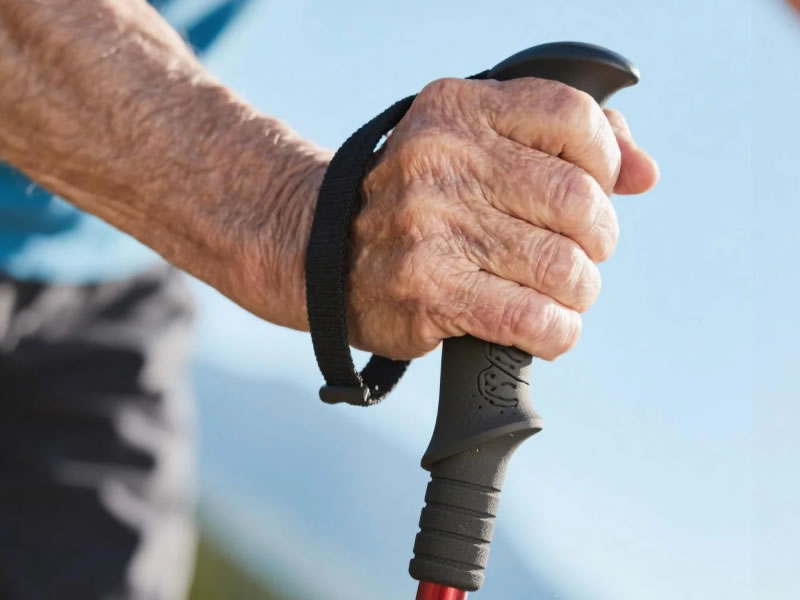
Recommended trekking pole purchase link: https://lightenup.aliexpress.com/store/1101521655
Why grip strength matters
Grip strength declines with age due to sarcopenia, arthritis, and neurological conditions. Weak hands struggle to hold a narrow, hard handle securely. Without proper support, users may compensate by gripping tighter, leading to fatigue, pain, and even dropping the pole. A fall caused by a dropped pole can have serious consequences for elderly individuals. The solution is to design the pole so that the wrist strap bears the weight, not the fingers.
The most important feature: the wrist strap (used correctly)
Even the most comfortable handle is useless if the user is forced to clench it tightly. The wrist strap is the key to transferring load away from the grip. For elderly users:
- Look for wide, padded straps – A strap that is at least 2 cm wide with soft padding distributes force across the back of the hand, preventing painful pressure points.
- Adjustable – The strap must be easy to tighten and loosen, ideally with a one‑handed slider.
- Correct use is critical – Many elderly users have never been shown how to use a trekking pole strap properly. The method: insert the hand from below the strap, then bring the hand down onto the grip. The strap should sit between the thumb and index finger, crossing the back of the hand. When adjusted snugly, the user can relax their fingers completely, and the strap will hold the pole. This single technique can reduce the required grip strength by 80%.
Grip material: soft and forgiving
- Cork – Cork is the best material for elderly users. It is naturally soft, compresses slightly to conform to the hand, absorbs sweat, and stays non‑slip even in humid conditions. Cork also has a warm, comfortable feel.
- EVA foam – Lightweight and soft, foam is a good second choice. However, foam can become slippery when wet (sweat or rain), which is problematic for those with weak grip. Textured foam grips are better.
- Avoid hard rubber – Hard rubber grips are common on cheap walking aids. They are unforgiving, become slippery when wet, and require strong hand pressure to hold.
Grip size and shape: larger is better
A larger diameter handle reduces the amount of finger flexion needed. For a weak hand, a narrow handle forces the fingers to curl more tightly, increasing strain. Look for grips that are noticeably thicker than standard (often called “oversize” or “XL” grips). If you cannot find an oversized grip, you can add foam tubing (pipe insulation) or cork tape to increase diameter.
Ergonomic shape: support for the palm
- Palm swell – A grip that has a slight bulge where the palm rests spreads pressure evenly.
- Contoured finger grooves – Help position the fingers without requiring active grip.
- Left/right specific grips – Keep the wrist in a neutral, straight position, reducing strain on the carpal tunnel and finger flexors.
- Angled handles (e.g., Pacer Poles) – These keep the wrist in a natural handshake position, further reducing the need to grip tightly.
Length and weight
Even the best handle won’t help if the pole is too heavy or the wrong length. For elderly users:
- Weight – Aim for under 250g per pole (500g per pair). Carbon fibre is lightest, but quality aluminium is also fine.
- Adjustable length – Poles must be set so that the elbow is at 90° when the tip (with rubber cover) is on flat ground. Mark this length for easy resetting.
Additional features to consider
- Rubber tips (paw covers) – For walking on pavement or indoors, always use rubber tips. They provide grip and protect the floor. Carbide tips are for dirt only.
- Lever locks, not twist locks – Twist locks require wrist rotation and strong grip. Lever locks (e.g., Leki SpeedLock) are operated with a simple push/pull motion.
- Foldable design – Lightweight, collapsible poles are easier to store and transport, but ensure the locking mechanism is secure.
Top recommended pole handles for elderly users
- Leki Aergon cork grip (on Makalu or Cressida poles) – Left/right specific, large palm swell, comfortable cork, and padded strap. The best overall.
- Pacer Poles – Unique angled handles that keep the wrist straight. Foam grip, but very comfortable.
- Decathlon Forclaz MT500 – Cork/foam hybrid, decent size, good value. Add aftermarket foam tape to thicken if needed.
- Black Diamond Trail Pro – Thick foam grip, bombproof FlickLock, wide padded strap. The foam is good, but cork is better.
Practical training for elderly users
A new pair of poles is only half the solution. Elderly users need to be taught:
- The correct strap method (hand up from below).
- How to set the correct height.
- The opposite arm‑leg walking rhythm (right foot forward, left pole forward).
- How to relax the fingers and let the strap work.
Where to buy and try in Brazil
- Decathlon – Forclaz MT500 (cork/foam). Try in store.
- Adventure Sport – Leki Makalu. More expensive but excellent.
- Mercado Livre / Amazon – Search for “bastão de trilha grip largo” or “cabo de cortiça”.
Conclusion
The best trekking pole handle for weak grip strength in elderly users is a large‑diameter, soft cork grip with an ergonomic shape, combined with a padded, adjustable wrist strap that is used correctly (hand from below). The strap is the true hero – it transfers weight away from the fingers, allowing even very weak hands to control the pole safely. For elderly Brazilians wanting to stay active on park paths or gentle trails, investing in the right handle and taking time to learn proper technique can transform walking from a struggle into a pleasure.




