




How to maintain trekking poles after exposure to cold and humidity?
Trekking poles are essential gear for hiking, snow trekking, and winter outdoor adventures, delivering stable support and reducing knee pressure on rugged, slippery, and frosty trails. However, prolonged exposure to cold and humid environments poses hidden damages to trekking poles, including metal shaft rust, frozen locking mechanisms, sticky residual moisture, mold growth on foam grips, and shortened service life. Without professional and timely maintenance after outdoor use, even high-quality trekking poles will gradually experience slipping locks, stuck telescopic sections, corroded screws, and damaged surface coatings, affecting outdoor safety and usage experience. Mastering scientific post-use maintenance for cold and humid exposure is the key to extending trekking pole lifespan and ensuring stable performance for long-term outdoor use
Recommended trekking pole purchase link: https://lightenup.aliexpress.com/store/1101521655
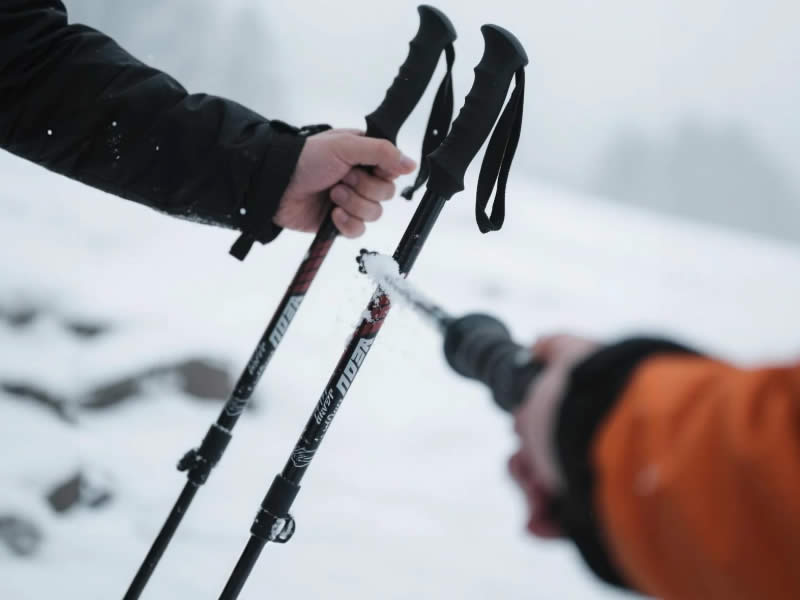
The first and most critical step of maintenance is thorough cleaning and immediate drying right after your trekking trip. In cold and humid outdoor environments, trekking poles will inevitably attach snow residues, frost, muddy water, humid dew, and fine gravel. Low temperature makes these moist impurities freeze easily and adhere tightly to pole shafts, locking systems, and grip gaps. Do not store or pack trekking poles directly after use. First, wipe the entire pole body, including telescopic sections, locking buckles, and tip baskets, with a clean, dry soft towel to remove surface frost, snow, mud, and visible moisture. For stubborn frozen dirt or muddy residues slightly condensed by low temperature, use a slightly damp soft cloth to wipe gently, avoiding hard scraping that may scratch the pole’s anti-rust coating and protective paint.
After surface cleaning, complete deep drying to eliminate residual internal moisture is indispensable. Most trekking poles adopt a telescopic segmented design, and humid air and melted snow water can easily penetrate the gaps between pole sections, accumulating inside and failing to evaporate naturally. Under low-temperature conditions, the residual water will freeze, causing telescopic jams and even internal metal corrosion over time. You need to fully extend each telescopic section of the trekking poles, unlock all locking structures, and place the poles in a well-ventilated, dry, and room-temperature indoor environment. Keep them away from damp corners, cold outdoor balconies, and direct heating sources such as heaters and fireplaces. Excessive high temperature will cause aging and deformation of plastic locking parts and foam grips, while natural ventilation drying can thoroughly evaporate internal and surface moisture without damaging accessories.
Next, focus on targeted maintenance of core vulnerable components affected by cold and humidity. The locking system is the most failure-prone part in low-temperature humid conditions. Cold air easily causes metal lock parts to contract and freeze, and residual moisture will lead to slight rust and dirt accumulation, resulting in loose locking or difficult stretching. After drying, gently clean the gaps of external locks and internal telescopic joints with a soft brush to remove fine sand and dust. Note that excessive lubricants are not recommended in cold and humid environments, as thick lubricants can adsorb more dust and freeze at low temperatures, aggravating jams. For slightly rusty metal joints, use a small amount of dedicated metal anti-rust lubricant for thin coating and polishing to restore flexibility.
In addition, the foam or rubber grips and tungsten steel tips also need targeted care. Long-term humidity immersion will make foam grips damp and moldy, producing peculiar smells and causing aging and hardening. After drying, check the grips for mold spots; if mild mold exists, wipe it with a diluted mild disinfectant and dry it again in a ventilated place. The pole tips are in direct contact with wet frost and icy ground, prone to rust and blunt wear. Clean the dirt on the tip surface, check for rust and damage, and polish slight rust spots to prevent further corrosion. Meanwhile, inspect the snow baskets for accumulated ice and dirt, clean and dry them thoroughly to avoid fixed deformation caused by frozen moisture.
The final step is standardized long-term storage and regular post-maintenance inspection. Never store semi-dry trekking poles in sealed backpacks, storage boxes, or damp cabinets, as closed humid environments will accelerate metal oxidation and mold growth. After full drying and maintenance, place trekking poles flat or hang them in a dry, constant-temperature indoor environment, avoiding long-term compression and cold frost exposure. It is also necessary to conduct a simple performance check before next use: test the flexibility of telescopic sections, the firmness of locking structures, and the integrity of pole tips and grips. This routine inspection can eliminate potential faults caused by cold and humidity erosion in time.
In conclusion, cold and humid weather is the main invisible killer of trekking pole performance. Timely cleaning, thorough drying, targeted component maintenance, and standardized storage form a complete maintenance system. Adhering to this maintenance workflow after each cold and humid outdoor activity can effectively avoid rust, freezing jams, mold and aging problems, fully retain the original performance of trekking poles, and provide reliable safety guarantee for every future outdoor trekking.




