




Are trekking poles a good gift for a Brazilian hiking enthusiast?
If you have a friend or family member who loves hiking in Brazil—whether they tackle the muddy slopes of the Serra do Mar, the rocky trails of the Chapada Diamantina, or the high‑altitude grasslands of the Serra da Mantiqueira—you might be wondering if trekking poles make a thoughtful gift. The short answer is yes, absolutely—but only if you choose wisely. A poorly chosen pair will gather dust; the right pair will be used on every adventure.
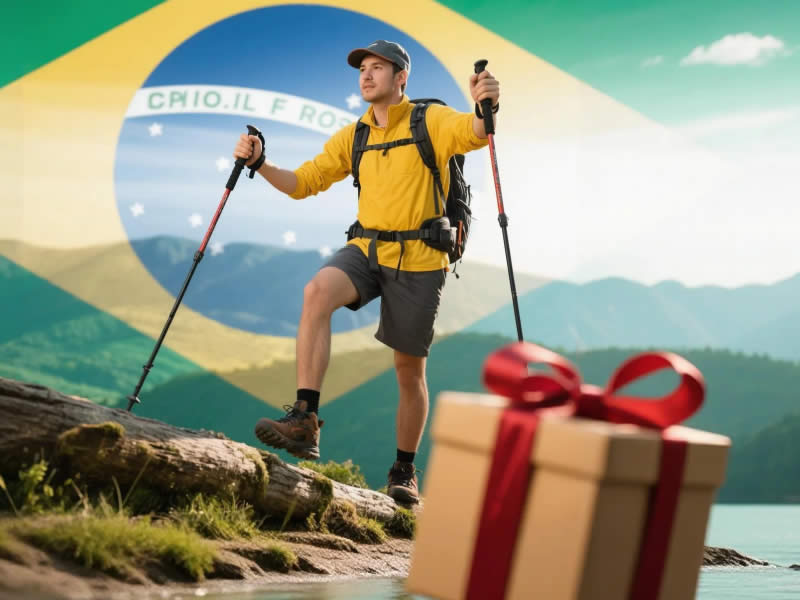
Recommended trekking pole purchase link: https://lightenup.aliexpress.com/store/1101521655
Why trekking poles are an excellent gift for Brazilian hikers
Brazil’s trails present unique challenges: sudden downpours that turn paths into slip‑n‑slides, steep descents that pound knees, and rocky sections that test balance. A good set of poles addresses all of these. Here’s why the recipient will appreciate them:
- Knee preservation – Many Brazilian hikes involve significant elevation gain and loss (e.g., Pico da Tijuca, Pedra da Gávea). Poles reduce impact by 20–30%, allowing hikers to enjoy the sport longer.
- Safety on slippery surfaces – The red clay of the Atlantic Forest becomes treacherous after rain. Poles provide three extra points of contact, preventing costly falls.
- River crossing assistance – Treks in the Chapada dos Veadeiros or Vale do Pati often require wading. Poles stabilize against current and slippery rocks.
- Wildlife deterrence – A gentle tap on a rock warns off snakes (jararacas are common) and clears spider webs from the trail.
What to look for when buying poles for a Brazilian hiker
Not all poles are created equal. Here’s a gift‑buying checklist tailored to Brazil:
- Material – Aluminum (7075 alloy) is durable and forgiving. Carbon is lighter but brittle on rocky trails—avoid unless they hike only soft paths.
- Locking system – Flick locks (external levers) are reliable and easy to clean. Avoid twist locks—mud and humidity cause them to fail.
- Grips – Cork or EVA foam. Cork absorbs sweat and stays warm in cool winter mornings. Avoid hard plastic or bare rubber.
- Tips – Carbide tips for hard rock, plus rubber tip covers for trail protection and quiet walking on pavement.
- Weight – Under 250 g per pole is ideal. Heavier poles tire arms on long treks.
- Adjustable length – Must cover 100–135 cm to accommodate up/downhill settings for a typical Brazilian hiker height (1.60–1.80 m).
Top recommended models for Brazilian conditions
| Model | Material | Locks | Best for |
|---|---|---|---|
| Black Diamond Trail Ergo Cork | Aluminum | Flick | All‑round, muddy, steep |
| LEKI Makalu Lite | Aluminum | Flick | Durability, rocky terrain |
| Cascade Mountain Tech Carbon | Carbon | Twist | Light use, flat trails |
| Foxelli Trekking Poles | Aluminum | Flick | Budget gift, beginners |
What to avoid as a gift
- Ultra‑cheap poles (under $30 USD) – They bend, rust, or break within months.
- Non‑adjustable walking sticks – Cannot adapt to Brazilian up/down terrain.
- Wooden staffs – Heavy, no shock absorption, and can damage trails.
- Poles without straps – Straps transfer force and prevent dropping; essential for safety.
Presentation and extras
To make the gift even better, include:
- A set of rubber tip covers (often sold separately)
- A storage bag or tube for travel
- A small repair kit (spare tips, locking screw)
- A trail map of a classic Brazilian hike (e.g., Chapada Diamantina or Serra do Mar)
When poles are NOT a good gift
- The person only hikes flat, sandy trails (Lençóis Maranhenses) – poles sink and drag.
- They are a strict ultralight minimalist who carries nothing extra.
- They already own high‑end poles. Ask subtly first.
Final verdict
For any Brazilian hiking enthusiast who tackles steep, muddy, or rocky terrain, trekking poles are a fantastic, practical, and memorable gift. They show you understand their passion and care about their safety and comfort. Spend a little more for quality aluminum with flick locks and cork grips. Your gift will accompany them on countless adventures—from the Atlantic Forest to the Chapada—and they’ll think of you with every plant.




