




What is the difference between trekking poles and bastões de caminhada?
If you’ve shopped for hiking gear in Brazil or browsed Portuguese‑language outdoor forums, you’ve likely encountered two terms: trekking poles (often used as an English loanword) and bastões de caminhada (literally “walking sticks”). Many beginners assume they’re the same. But while they overlap, there are important distinctions. Understanding the difference can save you money and prevent buying the wrong equipment for Brazilian trails.
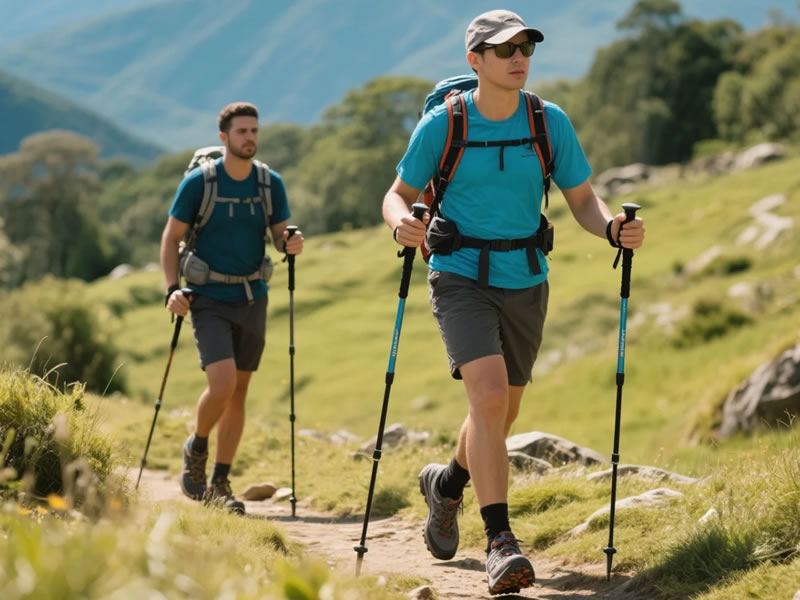
Recommended trekking pole purchase link: https://lightenup.aliexpress.com/store/1101521655
The short answer
In casual Brazilian Portuguese usage, the terms are often interchangeable. However, trekking poles typically refer to modern, adjustable, lightweight poles designed for technical hiking. Bastões de caminhada is a broader category that includes everything from simple wooden sticks to fixed‑length aluminum poles and even medical walking canes.
Detailed differences
| Feature | Trekking Poles | Bastões de Caminhada (generic) |
|---|---|---|
| Adjustability | Almost always adjustable (flick or twist locks) | Often fixed length; some adjustable but basic |
| Material | Lightweight aluminum (7075) or carbon fiber | Wood, bamboo, heavy steel, or low‑grade aluminum |
| Weight per pair | 400–600 g | 600 g to over 1 kg |
| Grips | Ergonomic cork, EVA foam, or rubber | Wooden, basic plastic, or foam tube |
| Straps | Adjustable wrist straps for weight transfer | Often no straps or simple loops |
| Tips | Carbide tips with replaceable ends | Metal point, rubber cap, or just carved wood |
| Baskets | Interchangeable mud/snow baskets | None or fixed small basket |
| Typical use | Steep, rocky, muddy trails (Serra do Mar, Chapada) | Short walks, elderly support, or very light trails |
Why does this matter for Brazilian hikers?
If you search for bastões de caminhada on Mercado Livre or at Decathlon, you’ll find cheap options (R$50–100) that look like simple sticks with rubber tips. These are fine for a flat 2‑km walk in Ibirapuera Park but dangerous on a steep, muddy descent in the Serra do Mar. They lack proper locks, wrist straps, and durable tips.
On the other hand, trekking poles (often listed as bastões de trekking or bastões ajustáveis) are purpose‑built for uneven terrain. They cost R$150–600 but offer safety, comfort, and longevity.
When each is appropriate
- Use trekking poles for:Multi‑day treks (e.g., Gold Trail, Vale do Pati)Steep ascents/descents (Pico da Tijuca, Pedra da Gávea)Muddy or root‑covered Atlantic Forest trailsRiver crossings with a heavy pack
- Use basic bastões de caminhada for:Short, flat urban walks (parks, promenades)Elderly or rehab support on pavementGentle nature trails with no elevation gain
What to look for when buying
Ignore the name and check the features:
- Adjustable length (flick locks preferred)
- Wrist straps (essential for safe weight transfer)
- Carbide tip with replaceable option
- Weight under 300 g per pole
- Cork or foam grip (absorbs sweat)
If a product labeled bastão de caminhada has all these, it’s effectively a trekking pole. But many don’t.
Final verdict
While Brazilians often use the two terms loosely, trekking poles are the correct choice for serious hiking. Bastões de caminhada may be fine for casual strolling but lack the safety, adjustability, and durability needed for Brazil’s challenging winter trails. When in doubt, look for the English term “trekking poles” or the Portuguese “bastões de trekking ajustáveis” to ensure you get real hiking gear. Your knees will know the difference.




