




Are trekking poles necessary for hiking Dedo de Deus in Rio de Janeiro?
Dedo de Deus (God’s Finger) is one of Rio de Janeiro’s most iconic peaks, rising dramatically in the Serra dos Órgãos range near Teresópolis. Its distinctive granite spire draws hikers from around the world. But when planning this challenging trek, many ask: do I really need trekking poles? The short answer is not strictly necessary, but highly recommended for most hikers. Here’s a detailed breakdown.
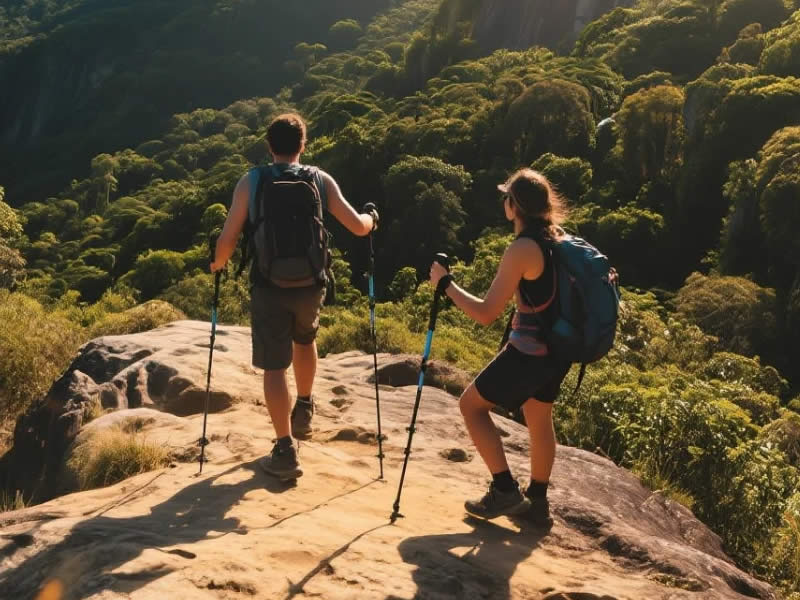
Recommended trekking pole purchase link: https://lightenup.aliexpress.com/store/1101521655
Understanding the Dedo de Deus trail
The classic route starts at the entrance of Parque Nacional da Serra dos Órgãos (PNSO) in Teresópolis. The round trip is roughly 10–12 km with about 900–1,000 meters of elevation gain. The trail features:
- Well‑marked but uneven terrain – Mix of packed dirt, exposed roots, and loose stones.
- Steep sections – Several parts have grades exceeding 25%, especially the final approach to the base of the finger.
- Slippery conditions – Rain is common in the Atlantic Forest, turning sections into a muddy, slick slide.
- Rock scrambles – Near the top, you’ll need to use your hands for short Class 2–3 moves.
Why poles are beneficial (though not mandatory)
- Knee protection on descent – The steep return is harder on knees than the ascent. Poles absorb 20–30% of impact, preventing post‑hike soreness.
- Balance on wet roots and rocks – After rain, the trail can be treacherously slippery. Two poles provide four points of contact, drastically reducing falls.
- Confidence on steep sections – When crossing exposed ridges or steep dirt slopes, poles give you something to brace against.
- River crossings – The trail crosses several small streams, especially after rainfall. Poles stabilize you on slippery stones.
When you might skip poles
- Very experienced, agile hikers – If you have excellent balance and strong, healthy knees, you can manage without.
- Trail runners – Many runners prefer hands free, though some carry foldable poles for the climbs.
- Short day hikes with light pack – If you’re going ultralight (water only), poles add weight.
The caveat: scrambling sections
The final approach to Dedo de Deus requires using your hands on granite slabs and boulders. Poles become a hindrance here. The solution: Collapse your poles and strap them to your pack for the last 200–300 meters. Most adjustable poles collapse to 35–40 cm, fitting easily on small backpacks.
What type of poles to bring
- Aluminum flick‑lock poles – Durable, easy to adjust, and can handle being dropped on rocks.
- Cork grips – Sweat‑absorbent in Rio’s humid climate.
- Carbide tips with rubber covers – Use rubber tips on the way up (quieter, less erosive), switch to carbide for the rocky descent.
- Avoid twist locks – Mud can cause them to slip.
Alternatives if you don’t own poles
- Rent in Teresópolis – Several outdoor shops near the park entrance rent poles for R$15–30 per day.
- Use a sturdy branch – You can find a fallen stick, but two poles are much better for balance.
- Join a guided group – Guides often lend poles to clients.
Final verdict
For the average fit hiker tackling Dedo de Deus, trekking poles are not strictly necessary, but they will significantly improve safety, reduce fatigue, and protect your knees – especially on the descent. If you already own poles, bring them without question. If you don’t, consider renting a pair. The trail is doable without them, but after a rainy day, you’ll be grateful for every plant. Don’t let the final scramble worry you – you can always stow them. Enjoy the incredible views from God’s Finger!




