




What is the price difference between aluminum and carbon trekking poles in São Paulo?
If you’re shopping for trekking poles in São Paulo – whether at Decathlon, Adventure Sports, or online via Mercado Livre – one of the first decisions you’ll face is aluminum vs. carbon fiber. The price gap is significant, but so are the performance trade‑offs. Here’s a detailed breakdown of current prices in São Paulo and what you get for your money.
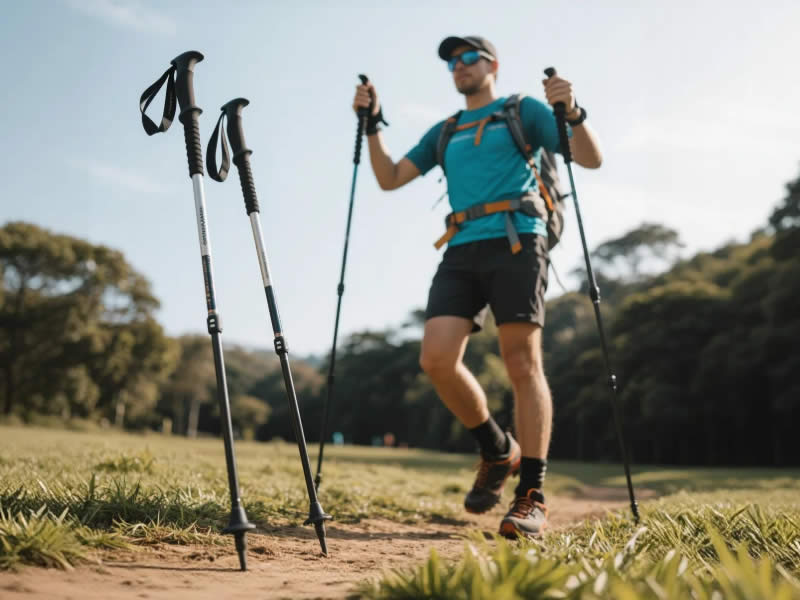
Recommended trekking pole purchase link: https://lightenup.aliexpress.com/store/1101521655
Aluminum trekking poles – R$150 to R$400
Aluminum is the most common material for trekking poles. In São Paulo, you’ll find three tiers:
- Budget (R$150–200): Decathlon’s Forclaz MH100 or Quechua MH500 (twist locks, basic foam grips). Suitable for light, flat trails.
- Mid‑range (R$200–300): Forclaz Trek 500 (flick locks, cork/foam grips). Excellent value for Serra do Mar or Chapada Diamantina.
- Premium (R$350–400): Black Diamond Trail Ergo Cork or LEKI Makalu Lite (flick locks, ergonomic cork grips). Durable for rocky terrain like Serra Fina.
Carbon fiber trekking poles – R$300 to R$900+
Carbon poles are lighter and dampen vibration, but they command a premium.
- **Entry‑level carbon (R$300–400):** Cascade Mountain Tech carbon with twist locks (online via Amazon Brasil) or Decathlon Forclaz Carbon 900 (flick locks, R$399–450).
- Mid‑range carbon (R$450–600): Black Diamond Distance Carbon (Z‑poles, folding) – sold by Adventure Sports or Trekking & Cia.
- Premium carbon (R$700–900+): LEKI Carbon FX or Komperdell Carbon (ultralight, flick locks). Found in specialty shops.
Price difference summary
| Material | Typical price per pair (SP) | Weight per pair | Durability |
|---|---|---|---|
| Aluminum (mid‑range) | R$200–350 | 500–600 g | Very high (bends but doesn’t snap) |
| Carbon (entry‑mid) | R$350–600 | 300–450 g | Moderate (snaps under sharp impact) |
Aluminum is roughly 30–50% cheaper than comparable carbon poles in São Paulo. For example:
- Decathlon Forclaz Trek 500 (aluminum, flick locks) = R$199
- Decathlon Forclaz Carbon 900 = R$399 (exactly double)
Why the price difference?
- Manufacturing cost: High‑modulus carbon fiber is expensive to produce, and most carbon poles are imported, incurring Brazil’s heavy import taxes (60–80% cumulative).
- Brand positioning: Carbon is marketed as “premium” – brands like Black Diamond and LEKI charge a halo premium.
- Performance features: Carbon poles often come with folding mechanisms (Z‑poles), which add engineering cost.
Where to buy in São Paulo
- Decathlon (stores at SP Market, Morumbi, Tatuapé) – Best for mid‑range aluminum and entry carbon.
- Adventure Sports (Rua Augusta, Jardins) – Premium Black Diamond and LEKI (both materials).
- Trekking & Cia (Shopping Ibirapuera area) – Good selection of carbon and aluminum.
- Mercado Livre / Amazon – Online; check seller ratings and return policies.
Which should you choose?
- Choose aluminum if: You hike rocky, abrasive trails (Serra Fina, Pedra da Gávea, Mount Roraima), you’re on a budget, or you prioritize durability over weight savings. Aluminum can take a beating and still function.
- Choose carbon if: You hike long distances on moderate terrain (Chapada Diamantina, coastal paths), you’re a trail runner or ultralight backpacker, and you can afford the extra R$100–300. Be aware that carbon can snap if wedged between rocks.
Real‑world advice for São Paulo hikers
For 90% of weekend trips in the Serra do Mar or Mantiqueira, a good pair of aluminum flick‑lock poles in the R$200–300 range is the sweet spot. You save money, and you won’t cry if they get scratched. Spend the difference on a comfortable pack or quality boots. If you’re a frequent, weight‑conscious hiker, then carbon may justify its higher price.
Final price check (June 2026, São Paulo)
- Decathlon Forclaz Trek 500 (aluminum): R$199
- Cascade Mountain Tech carbon (flick lock version, online): ~R$320
- Black Diamond Distance Carbon: ~R$650
- LEKI Makalu Lite (aluminum): ~R$550 (reflecting import taxes)
Keep an eye on Black Friday and Dia do Consumidor – discounts of 20–30% are common, narrowing the gap. But in general, expect to pay R$150–400 for aluminum and R$300–900+ for carbon in São Paulo stores. Choose wisely based on your terrain, not just the material label.




