




Do local Brazilian brands offer cheaper trekking poles than imported ones?
Yes, significantly. In Brazil, locally produced or assembled trekking poles (such as Decathlon’s Forclaz and Quechua lines) are typically 50–70% cheaper than imported premium brands like Black Diamond or LEKI. Here’s why, and how much you can save.
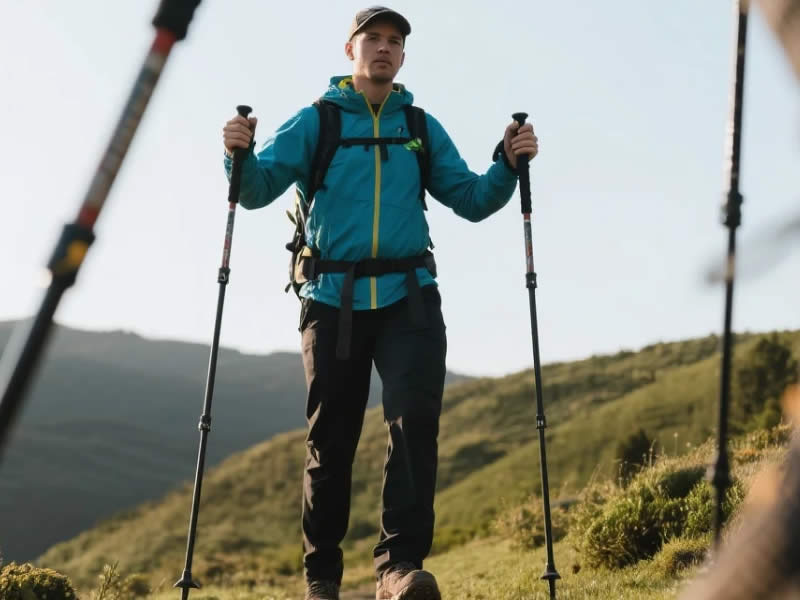
Recommended trekking pole purchase link: https://lightenup.aliexpress.com/store/1101521655
Price comparison (Brazilian reais, 2026)
| Brand / Origin | Typical price per pair | Features |
|---|---|---|
| Local / regional (Decathlon Forclaz, Quechua) | R$150 – R$350 | Aluminum, flick locks, cork grips, replaceable tips |
| Imported (Black Diamond, LEKI, Komperdell) | R$500 – R$1,200+ | Similar or slightly better materials, but with heavy import taxes |
For example:
- Decathlon Forclaz Trek 500 (local assembly) – R$199
- Black Diamond Trail Ergo Cork (imported) – R$450–600
That’s a difference of R$250–400 for comparable features.
Why are imported poles so expensive in Brazil?
Brazil imposes a cascade of taxes on imported goods:
- II (Import Duty) – 15–20%
- IPI (Industrial Products Tax) – 10–15%
- PIS/COFINS – ~12.75%
- ICMS (State VAT) – 18–25% on the cumulative total
The effective tax rate on a US$120 trekking pole can reach **60–100%** of its original value. Add freight, insurance, and retailer markup, and a $120 pole becomes R$500–800.
Local brands (even if owned by foreign companies like Decathlon) manufacture or assemble poles inside Brazil, avoiding most import taxes. They also benefit from local supply chains and lower shipping costs.
Are local poles of lower quality?
Not at all. Decathlon’s Forclaz Trek 500, for instance, features:
- 7075 aluminum shaft (same alloy used by Black Diamond)
- Flick locks (external levers, reliable in mud)
- Cork/EVA grips
- Replaceable carbide tips
- Mud baskets and rubber tip covers included
In blind tests, most hikers cannot tell the difference in performance on Brazilian trails (Serra do Mar, Chapada Diamantina). The main trade‑offs are:
- Slightly heavier (260 g vs. 240 g per pole)
- Less refined ergonomics (cork grip not as contoured)
- Shorter warranty (2 years vs. lifetime on some imported brands)
But for the average weekend hiker, these differences are negligible – and the price saving is substantial.
When should you consider imported poles anyway?
- Professional or very frequent use (4+ treks per month on abrasive quartzite) – The longer tip life and better lock durability of Black Diamond/LEKI may justify the extra cost.
- Specific needs – Folding carbon poles for trail running (local brands have few carbon options).
- Brand loyalty – Some hikers simply prefer the feel of a LEKI grip.
Final verdict
For 95% of Brazilian hikers, local brands like Decathlon Forclaz offer the same core functionality as imported poles for a fraction of the price. You can get a reliable pair of flick‑lock aluminum poles for R$200, while an equivalent imported set costs R$500+. Unless you have very specific performance requirements or a generous budget, buy local. Your knees – and your wallet – will be equally happy on the trail.




