




Do kids really need trekking poles for short Brazilian nature trails?
Brazil’s short nature trails – a 2‑km loop in Parque Nacional da Tijuca, a flat walk through the Atlantic Forest near Ubatuba, or a gentle path to a waterfall in Serra do Mar – are often family affairs. Parents naturally wonder: are trekking poles necessary for their children? The short answer is not essential, but they can be surprisingly beneficial. Whether your child needs them depends on the trail’s difficulty, your child’s age and coordination, and your goals for the hike.
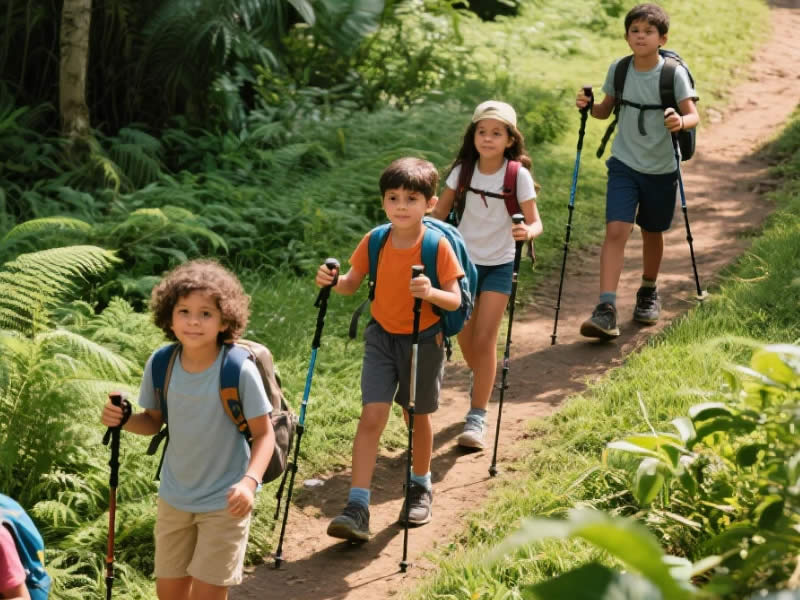
Recommended trekking pole purchase link: https://lightenup.aliexpress.com/store/1101521655
When you can skip poles
- Very short, flat, well‑maintained trails – For example, the paved paths at Parque Lage or the boardwalks in some nature reserves. A typical 4‑year‑old or even a 7‑year‑old can manage without poles. The risk of falls is low, and the extra gear may simply be a distraction.
- Children under 4 years old – Most trekking poles are too heavy and long for toddlers. They lack the coordination to use them safely. Let them walk with you holding hands instead.
- Confident, active kids on easy terrain – Some children naturally have good balance. On a dry, wide path, poles are unnecessary.
When poles help a lot
- Uneven ground with roots and rocks – Brazilian nature trails often have tangled tree roots (especially in the Atlantic Forest) or loose stones. A child’s foot can easily slide into a hole or twist. Poles give two extra points of contact, preventing many falls.
- Slippery mud or wet conditions – After rain, clay trails become slick. Poles help a child probe the ground before stepping, reducing the chance of a nasty spill.
- Small streams or puddles – Poles allow a child to steady themselves while jumping or stepping across water.
- Building confidence – A shy or hesitant child may feel more secure with poles in hand. The simple act of planting a pole can turn fear into fun.
Age recommendations
- Ages 4‑5: Most children lack the coordination and arm strength. Stick to hand‑holding. If you try poles, use ultra‑light (under 150 g) youth models and supervise constantly.
- Ages 6‑8: Many children can handle lightweight, adjustable poles on short trails. Focus on teaching proper planting (not swinging the poles). Use rubber tip covers for safety.
- Ages 9+: A child of this age can use adult poles shortened to an appropriate length. They can learn to adjust for uphill and downhill.
What to look for if you buy poles for a child
- Weight: Under 180 g per pole. Decathlon’s Quechua MH500 Kids weighs about 160 g.
- Adjustable length: Must go down to at least 70 cm for a 6‑year‑old, lower for younger children.
- Flick locks: Easier for small hands than twist locks.
- Small‑diameter grip: Foam grips are best. Rubber is too slippery when sweaty.
- Rubber tip covers: Essential for safety and to protect trail surfaces.
Potential downsides of giving poles to kids
- Distraction: Some kids focus on the poles instead of watching their feet, leading to trips.
- Fatigue: Heavy poles tire small arms. A tired child may drop a pole or swing it dangerously.
- Cost: Good youth poles cost R$150‑250. For occasional short trails, you may decide it’s not worth it.
Alternatives to trekking poles
- A single wooden stick or bamboo staff – Free, lightweight, and fun for kids to find on the trail. Less effective but adequate for balance.
- Holding hands – Simple and always reliable.
- No poles, just slow walking – On very short trails, let kids move at their own pace.
A balanced recommendation for Brazilian families
For a one‑off, short nature trail (under 2 km) on dry, easy ground, most children do not need trekking poles. Save your money and simplify your packing.
However, if you plan to hike regularly as a family – even on short trails – or if the specific trail has known slippery sections, consider investing in a pair of lightweight, adjustable youth poles (e.g., Decathlon Quechua MH500 Kids). They cost about R$150 and will last for years. The benefits of fewer falls, more confidence, and less whining are often worth the small expense.
Final verdict
Kids do not need trekking poles for short Brazilian nature trails, but they can be a valuable tool for safety and confidence on uneven, muddy, or root‑covered paths. For children aged 6 and above, a well‑fitted, lightweight pair of youth poles is a worthwhile addition to your family hiking kit. For toddlers and on very easy trails, skip them. Use your judgment based on the trail conditions and your child’s ability. The most important thing is to enjoy the beauty of Brazil’s nature together – poles or no poles.




