




How to keep hands warm while using trekking poles in Brazilian highlands?
Hiking in the Brazilian highlands – such as the Serra da Mantiqueira, Campos do Jordão, or Itatiaia National Park – offers stunning views but also chilly mornings and sudden cold fronts. Winter temperatures can drop to near freezing, and wind chill makes gripping trekking poles uncomfortable. Cold hands affect your grip, safety, and enjoyment. Fortunately, with the right strategies, you can keep your hands warm without sacrificing pole control. Here’s how.
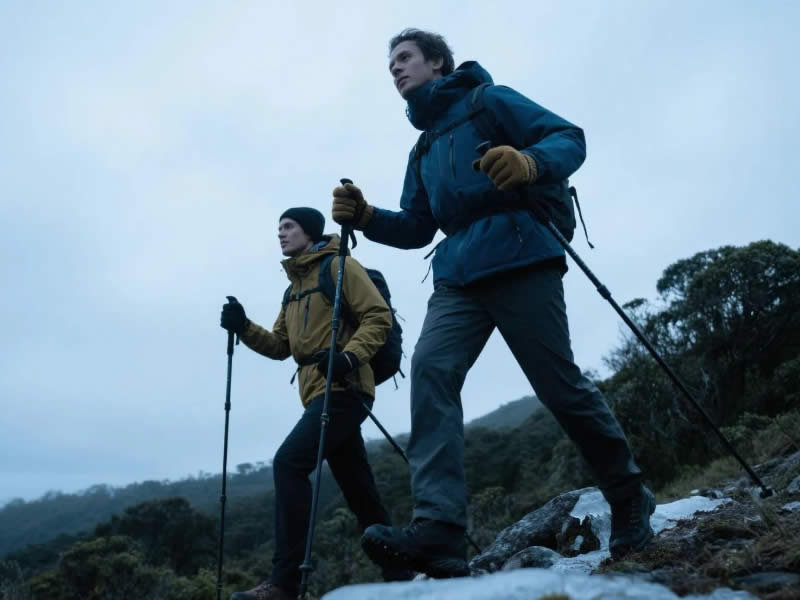
Recommended trekking pole purchase link: https://lightenup.aliexpress.com/store/1101521655
1. Choose the right pole grips
Not all grips are equal in cold weather.
- Cork grips are best – they naturally absorb moisture and stay warmer than rubber or plastic. They also provide insulation against the cold metal shaft.
- Foam grips are a good second choice – lightweight and non‑conductive.
- Rubber grips – avoid; they become hard, slippery, and feel icy cold to the touch.If your poles have rubber grips, consider adding adhesive foam grip covers or replacing them with cork models (some brands allow grip replacement).
2. Wear appropriate gloves
Layering works for hands too.
- Base layer (liner gloves): Thin merino wool or synthetic gloves (like Decathlon’s Forclaz 100). They wick sweat and provide light insulation while allowing dexterity for adjusting flick locks.
- Mid layer (insulated gloves): For colder mornings, add a thin fleece or softshell glove. Avoid bulky gloves that prevent you from operating pole locks.
- Outer layer (shell mittens): Windproof and water‑resistant mittens worn over the liner gloves. Mittens keep fingers together, retaining more heat than gloves. However, they reduce dexterity – use them on very cold, windy sections and switch to liner gloves for technical moves.
3. Use pogies (handlebar mitts) – a game changer
Pogies are insulated covers that slip over the pole grip and your hand, leaving the grip accessible inside. They are commonly used for winter biking but work brilliantly for trekking poles.
- How to use: Slide your hand into the pogie, then grip the pole. The pogie blocks wind and retains body heat while allowing full finger movement.
- Where to find: You can buy universal trekking pole pogies online (e.g., Outdoor Research, Black Diamond) or make your own from an old fleece jacket.
- In Brazil: Available at Adventure Sports (Rio/SP) or import via Mercado Livre. Expect R$150‑250.
4. Keep your core warm
Cold hands often result from a cold core. When your body prioritizes blood flow to vital organs, extremities get less circulation.
- Wear a thermal base layer, an insulating mid‑layer (fleece or light down), and a windproof shell.
- Keep your neck and head warm (beanie, buff). A warm torso ensures warmer hands.
5. Use chemical hand warmers
Disposable air‑activated hand warmers (e.g., HotHands) are available at Decathlon and camping stores in Brazil (R$5‑10 per pair).
- Placement: Tuck one into the palm of your glove or mitten, between your hand and the pole grip. Alternatively, attach it to the pole strap with a rubber band.
- Duration: Last 6‑10 hours. Ideal for long winter treks.
- Reusable options: Electric rechargeable hand warmers are heavier but eco‑friendly.
6. Adjust your technique to improve circulation
- Loosen your grip: Many hikers clench poles tightly, restricting blood flow. Practice using the wrist strap correctly (hand goes up through the loop, then down to grip). The strap carries the weight, allowing a relaxed grip.
- Pump your arms: Vigorous Nordic walking style increases blood flow to your hands.
- Take breaks to warm hands: Stop every 30 minutes, remove gloves, and put hands inside your armpits or against your neck. Swing your arms in circles.
- Avoid touching metal: The exposed upper shaft of the pole can conduct cold. Keep your hands on the grip only.
7. Protect against wind and moisture
- Windproof gloves: Even a thin windproof shell over liner gloves makes a huge difference. The highlands are windy.
- Waterproof gloves: If snow or freezing rain is forecast, wear waterproof gloves. Wet hands lose heat 25 times faster than dry hands.
- Keep spare gloves: Pack an extra pair of dry liner gloves in your backpack. Change into them during lunch stops.
8. Warm your poles before use
If you camp overnight, store your poles inside the tent (not outside). Cold‑soaked metal will suck heat from your hands instantly. In the morning, rub the grip with your hands for a minute before starting.
9. Avoid common mistakes
- Do not wear cotton gloves – they absorb sweat and become freezing cold.
- Do not wear gloves that are too tight – restricts circulation.
- Do not remove gloves for long periods – even for taking photos, keep one glove on.
- Do not use rubber grips without gloves – they are painfully cold near freezing.
Sample hand‑warming kit for a day in Itatiaia
- Thin merino liner gloves (Decathlon R$40)
- Windproof softshell gloves (R$80)
- Two pairs of chemical hand warmers (R$10 each)
- Spare liner gloves in pack
Total weight: under 200 g.
Final verdict
Keeping your hands warm while using trekking poles in the Brazilian highlands is entirely achievable with the right combination of gear and technique. Prioritise cork grips, layered gloves (liner + windproof shell), and pogies for severe cold. Use chemical warmers on extreme mornings. Remember that a warm core leads to warm hands. With these tips, you’ll grip your poles comfortably and safely, even on the frosty trails of Agulhas Negras or Pedra do Baú. Enjoy the winter wonderland of Brazil’s highlands without numb fingers.




