




What is the best trekking pole tip for icy mud in São Joaquim?
São Joaquim, in the highlands of Santa Catarina, is famous for its cold winters, occasional snow, and a unique terrain that combines wet, sticky mud with a frozen crust. Hikers exploring trails like the Morro da Igreja or the canyons of the region face a specific challenge: icy mud. This surface is slippery, uneven, and can be knee‑deep in places. Choosing the right trekking pole tip is essential for safety and efficiency. The short answer: sharp tungsten carbide tips, paired with wide mud baskets. Here’s why and how to use them effectively.
Recommended trekking pole purchase link: https://lightenup.aliexpress.com/store/1101521655
Why carbide tips outperform all others on icy mud
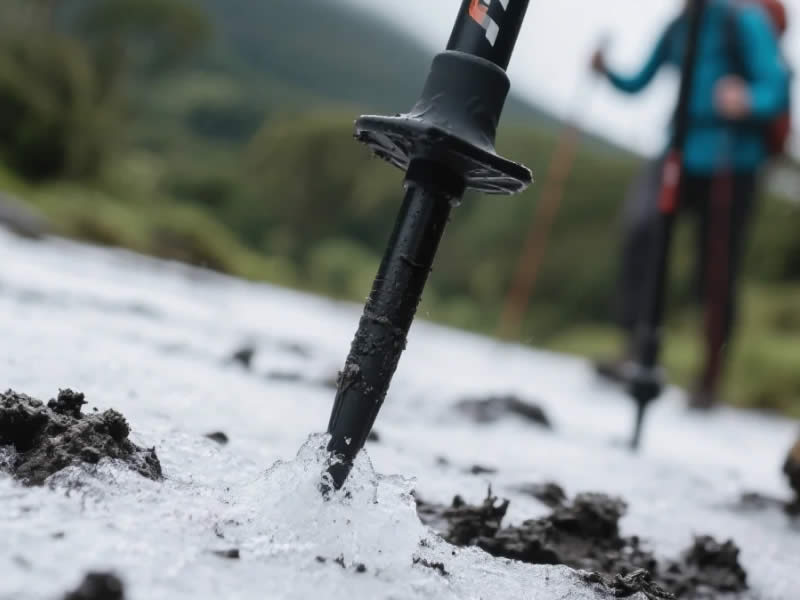
Icy mud consists of semi‑frozen soil mixed with water and ice crystals. The surface is often crusted with ice, but below that is a softer, gooey layer. A sharp, pyramid‑shaped carbide tip has two advantages:
- It breaks through the ice crust with a firm tap, reaching the more solid ground beneath.
- The carbide’s hardness bites into any small rocks or frozen clumps, providing grip where rubber or blunt tips would slide.
Avoid rubber tip covers – they skate over icy mud and offer zero traction. Also avoid steel tips (rare) or plastic tips (even rarer). Carbide is the industry standard for a reason.
The role of baskets: prevent sinking
In deep, semi‑liquid mud under the ice, a carbide tip alone will sink up to its full length. This makes the pole hard to extract and provides no lateral stability. To prevent this, you need wide mud baskets – typically 50‑60 mm in diameter. These baskets stop the pole from plunging too deep, keeping the tip in the firmer layer just below the ice crust. Standard small baskets (30 mm) are insufficient; they sink almost as much as no basket at all.
Recommended basket for São Joaquim: Look for “mud baskets” or “winter baskets” with an open or closed design. Decathlon sells 55 mm mud baskets (Basket Boue) for about R$15. They fit most flick‑lock poles. For extremely soupy conditions, consider even larger (70 mm) powder baskets, but those are rare in Brazil.
Maintenance and preparation
- Check tip sharpness before each hike: Run your thumb (carefully) over the carbide. It should feel rough, not smooth. If the tip is rounded or shiny, replace it. Spare tips are available at Decathlon (R$15‑30 per pair).
- Clean after use: Icy mud often contains grit and salts that can corrode the tip threads. Rinse with fresh water and dry thoroughly.
- Carry spare tips and a spare basket: Mud can rip off a basket, and a worn tip ruins performance. A small repair kit weighs almost nothing.
Technique for walking on icy mud
- Shorten poles slightly (5 cm) – A shorter pole gives you better leverage and reduces the lever arm that can snap a tip.
- Plant with a firm, vertical stab – Do not place the pole gently; give it a quick, sharp push to penetrate the ice crust.
- Keep poles close to your body – Wide planting increases the chance of a basket catching on a hidden root or rock.
- Use two poles – Symmetrical planting spreads your weight and helps you maintain balance on the slippery, uneven surface.
What about adding spikes or special tips?
Some manufacturers sell “ice tips” or “spike tips” that are longer and sharper than standard carbide. These can be useful on pure ice, but on icy mud, they tend to sink too deep. Stick with standard carbide plus a wide basket.
Combining with footwear traction
A trekking pole tip alone will not prevent a fall if your boots have no traction. In São Joaquim’s icy mud, consider adding micro‑spikes or ice cleats to your boots. The combination of carbide pole tips and underfoot spikes provides excellent stability.
Real‑world recommendation for São Joaquim
Many local guides use Decathlon Forclaz Trek 500 poles (aluminium, flick locks) with the standard carbide tip plus a 55 mm mud basket. They also carry a spare tip in their pack. This setup has proven reliable on the muddy, frosty trails of the Morro da Igreja loop and the approach to Cachoeira do Avencal.
Final verdict
The best trekking pole tip for icy mud in São Joaquim is a sharp, replaceable tungsten carbide tip combined with a wide mud basket (50‑60 mm). Avoid rubber tips, small baskets, and worn carbide. Keep your tips sharp, carry spares, and adopt a firm planting technique. With the right tip and basket, you’ll traverse São Joaquim’s wintery trails safely and with less fatigue. Enjoy the unique landscapes of southern Brazil’s coldest region.




