




Do I need neoprene tip covers for frosty conditions in Brazil?
If you’ve browsed trekking pole accessories online, you may have come across neoprene tip covers – small, soft sleeves that slip over the carbide tip. They are often sold as “storage covers” or “tip protectors.” A common question among Brazilian hikers preparing for frosty mornings in the Serra da Mantiqueira, Itatiaia, or São Joaquim is: do I need these for walking on frost? The short answer is no – neoprene tip covers are not designed for walking, and using them on frost would be dangerous. Let’s explain why and what you should use instead.
Recommended trekking pole purchase link: https://lightenup.aliexpress.com/store/1101521655
What are neoprene tip covers?
Neoprene covers are made of a soft, flexible rubber‑like material (the same used in wetsuits). They slide over the carbide tip and often have a small hole or strap to secure them. Their only purpose is to protect the sharp carbide tip during transport or storage – preventing the tip from scratching your backpack, poking through your tent floor, or damaging other gear. They also prevent accidental injury when poles are stowed.
Why you should never use neoprene covers for walking on frost
- No grip – Neoprene is soft and smooth. On frost, ice, or any slippery surface, it will slide like a hockey puck. You will have zero traction, making a fall almost certain.
- Rapid wear – The abrasive nature of frost, frozen soil, or icy rocks will shred neoprene within meters. You’ll be left with a torn cover and a useless tip.
- False sense of security – Some hikers mistakenly think the cover will provide cushioning or protect the trail. In reality, it transforms your pole into a liability.
What you need for frosty conditions in Brazil
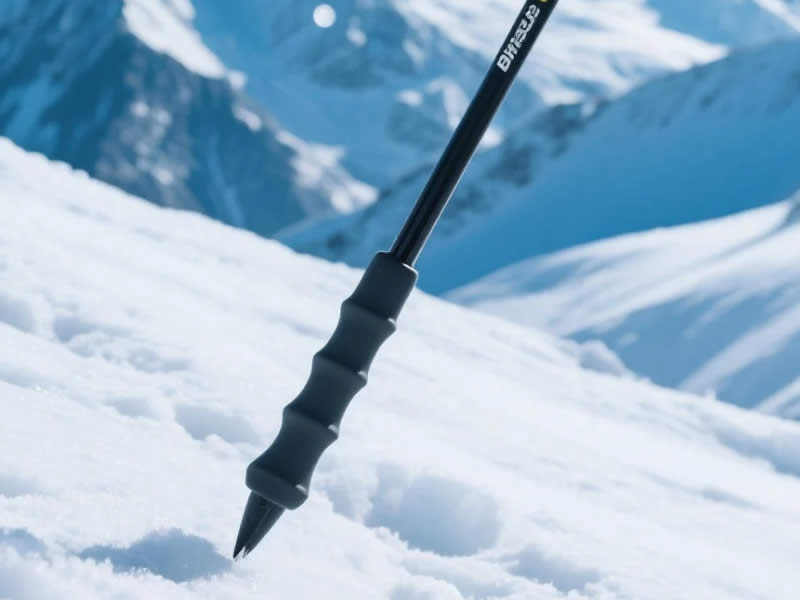
For frost, ice, or frozen mud, the correct tool is the exposed tungsten carbide tip. Carbide is hard enough to bite into frosty surfaces, providing the grip necessary for balance and braking. Here’s how to prepare:
- Remove any rubber or neoprene covers before you start hiking.
- Ensure the carbide tip is sharp – a worn, rounded tip will slip. Replace it if shiny or flat.
- Consider adding a wide basket if the frost is on top of deep mud or soft ground (to prevent sinking). But for hard frost, small baskets are fine.
What about rubber tip covers (paw tips)?
Standard rubber tip covers are also not for frost. They are designed for pavement, boardwalks, or rocky surfaces where carbide might damage the surface or be too noisy. On frost, rubber slips just as badly as neoprene. Remove them.
The only use for neoprene covers in winter
Use neoprene covers after your hike, when you pack your poles for the journey home. They prevent the sharp carbide from scratching other gear or poking through your backpack. That’s it.
Practical tip for Brazilian winter hikes
Before heading out on a frosty morning, double‑check that your pole tips are bare carbide. If you stored the poles with neoprene covers on, remove them and put them in a side pocket (so you don’t lose them). Inspect the carbide for wear. If the tip looks smooth, replace it. A fresh tip costs R$15‑30 and can save you from a nasty fall.
Final verdict
No, you do not need neoprene tip covers for frosty conditions in Brazil – and you should not use them while walking. Save neoprene covers for storage and travel. For actual hiking on frost, rely on sharp, bare carbide tips. Your safety depends on good grip, and neoprene simply cannot provide that. Stay safe, and enjoy Brazil’s beautiful winter landscapes with properly equipped poles.




