




What lubricant is safe for trekking pole locks in tropical humidity?
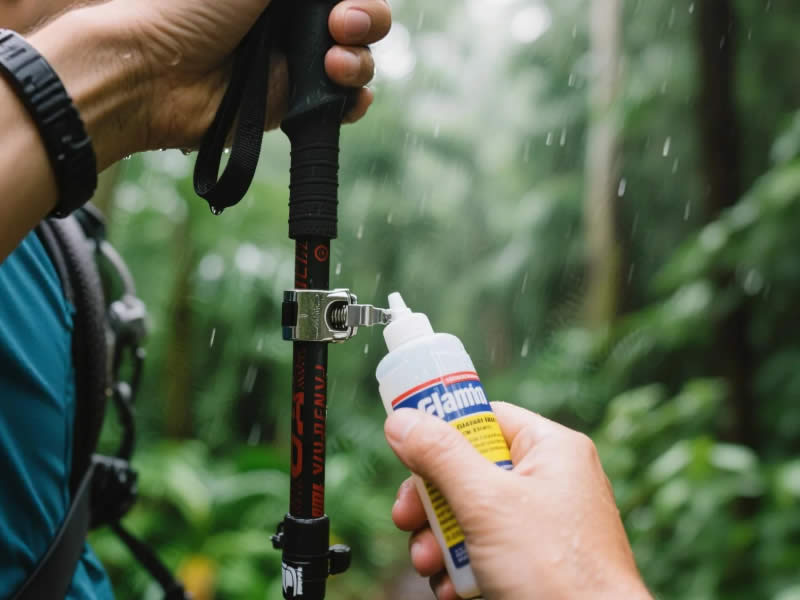
Brazil’s tropical climate – whether in the Amazon rainforest, the coastal Atlantic Forest, or the humid highlands – is a relentless challenge for trekking gear. High humidity, sudden downpours, and salty sea air can wreak havoc on trekking pole locks. Flick locks and twist locks alike become stiff, gritty, or even seize entirely. Lubricating them is essential, but using the wrong product can attract dirt, damage plastic components, or accelerate corrosion. So, what lubricant is safe and effective for trekking pole locks in tropical humidity? The answer is silicone‑based lubricants (spray or grease) . Here’s why and how to use them.
Recommended trekking pole purchase link: https://lightenup.aliexpress.com/store/1101521655
Why tropical humidity is hard on locks
- Constant moisture leads to oxidation on metal screws and springs.
- Fine dust and sand (from trails) mix with water to form an abrasive paste.
- Mould and mildew can grow on organic residues, jamming moving parts.
- Temperature swings cause condensation inside the mechanism.
A good lubricant must: repel water, resist washing off, not attract dirt, be plastic‑safe, and provide lasting protection.
The best choice: silicone lubricant
Silicone comes in two forms: spray (thin, penetrating) and grease (thicker, longer‑lasting).
- Silicone spray (e.g., WD‑40 Specialist Silicone, Decathlon’s silicone spray). Ideal for flick locks and for flushing out dirt from twist lock threads. It penetrates into tight spaces, displaces water, and leaves a thin, non‑sticky film. Safe on all plastics and metals.
- Silicone grease (e.g., plumbing o‑ring grease, diving equipment grease). Best for twist‑lock expanders and for coating screw threads on baskets and tips. It stays in place longer and provides a better seal against water ingress.
Where to buy in Brazil – Decathlon sells silicone spray (R$25‑40) in the bike or maintenance section. Mercado Livre and Amazon Brasil have silicone grease for R$30‑50.
What to avoid
- WD‑40 (original formula) – It is not a lubricant; it’s a solvent and water displacer. It evaporates quickly, leaves a sticky residue that attracts dirt, and can degrade some plastics over time.
- Petroleum‑based greases (e.g., bearing grease, Vaseline) – They attack certain plastic and rubber components (e.g., the plastic expander in twist locks). They also pick up grit and turn into grinding paste.
- Graphite powder – Works in dry environments but absorbs moisture in the tropics, turning into a sludge that jams locks.
- Cooking oils (olive, vegetable) – They go rancid, attract insects, and provide no corrosion protection.
How to lubricate different lock types
For flick locks (external levers):
- Open the lever fully. Spray a small amount of silicone spray onto the cam and pivot points. Wipe off excess.
- Work the lever open and closed 10‑15 times to distribute the lubricant.
- If the lock feels gritty, first disassemble (unscrew the bolt), clean all parts with a brush and soapy water, dry, then lubricate and reassemble.
For twist locks:
- Unscrew the lower section completely to expose the plastic expander and internal threads.
- Spray silicone spray onto a cloth and wipe the inside of the upper tube threads. Apply a tiny dab of silicone grease to the expander’s threads.
- Reassemble and tighten. The lock should turn smoothly without sticking.
For baskets and tip threads:
- Remove the basket. Apply a drop of silicone grease to the threads before screwing back on. This prevents seizing and makes future removal easier.
For folding Z‑pole push buttons:
- Spray a little silicone spray onto a cotton swab and dab the button and the spring area. Avoid over‑spray.
How often to lubricate in tropical humidity
- After every rainy hike – Rinse and dry the poles, then give the locks a light spray (no need to disassemble each time).
- Every 3‑4 months – Perform a deep clean and regrease, especially if you hike frequently in muddy or coastal areas.
- If a lock becomes stiff or gritty – Lubricate immediately; do not force it.
Additional maintenance tips for the tropics
- Never store poles with locks lubricated and wet – Wipe off excess lubricant before collapsing or storing. Excess grease attracts dust.
- Use a water repellent spray on the outside – A silicone spray on the shaft reduces mud adhesion.
- Rinse with fresh water after sea air exposure – Salt crystals are very abrasive. Rinse, dry, then lubricate.
Final verdict
In Brazil’s tropical humidity, the safest and most effective lubricant for trekking pole locks is silicone (spray or grease) . It repels moisture, protects metal and plastic, and does not attract dirt. Avoid WD‑40, petroleum greases, and cooking oils. With regular cleaning and silicone lubrication, your flick locks and twist locks will operate smoothly for years, even after wading through Amazon downpours or slogging through Atlantic Forest mud. Invest in a small can of silicone spray – it weighs nothing in your pack and saves your poles from premature failure.




