




Can I use bicycle chain grease on trekking pole twist locks?
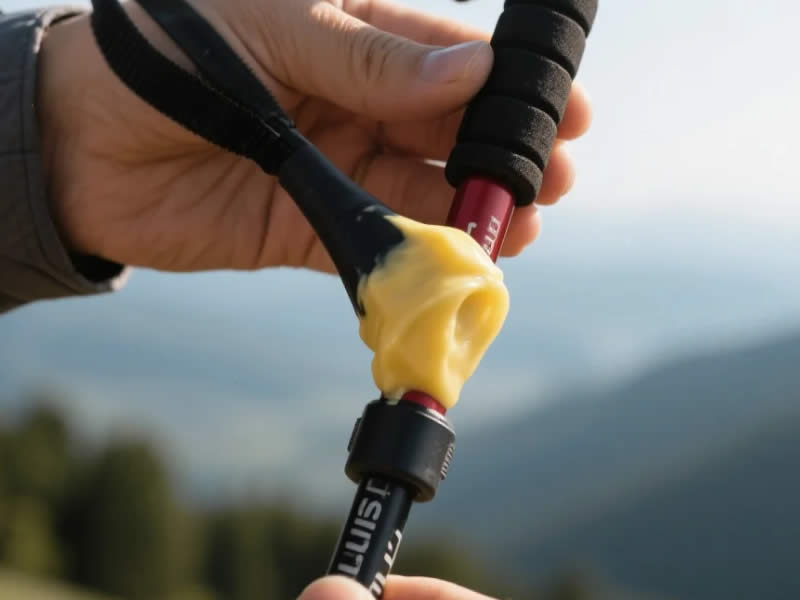
If you’re a hiker who also enjoys cycling, you might look at your bottle of bicycle chain grease and wonder: can this thick, sticky lubricant work on my trekking pole twist locks? After all, grease is grease, right? The short answer is no – you should never use bicycle chain grease on trekking pole twist locks. Doing so can damage the mechanism, attract harmful dirt, and even cause the lock to fail on a steep descent. In this article, we’ll explain why bicycle chain grease is a bad idea, what lubricants are safe, and how to properly maintain twist locks for Brazilian conditions.
Recommended trekking pole purchase link: https://lightenup.aliexpress.com/store/1101521655
Why bicycle chain grease is incompatible with twist locks
Most bicycle chain greases and lubricants are petroleum‑based (or contain heavy solvents). Trekking pole twist locks rely on a plastic expander – a small, threaded cylinder that compresses against the inner wall of the upper tube when you twist. This expander is typically made of nylon, ABS, or other engineered plastics. Petroleum‑based lubricants can:
- Degrade plastic – Over time, certain hydrocarbons cause plastics to swell, become brittle, or crack. A failed expander means your pole will collapse without warning.
- Attract dust and grit – Bicycle chain grease is designed to stay tacky. In a humid, muddy Brazilian trail environment, that tackiness will capture fine sand and organic debris, turning the mechanism into a grinding paste.
- Become gummy – In hot conditions (common in Brazil’s lowlands), petroleum grease can thin out and seep into places it shouldn’t, then thicken again, jamming the threads.
- Water resistance is poor – Many chain greases are not designed for immersion in water. After a river crossing or prolonged rain, the grease can wash off, leaving the metal threads unprotected.
What happens when you use the wrong lubricant?
Imagine you apply a dab of bicycle chain grease to your twist lock threads. At first, the pole turns smoothly. But after a single muddy hike, fine particles stick to the grease. The grit grinds against the plastic expander, wearing down its threads. Eventually, the lock will no longer tighten – it will slip under your body weight, potentially causing a dangerous fall.
The correct lubricant for twist locks: silicone
For twist‑lock mechanisms, the industry standard is silicone‑based lubricant. Silicone is:
- Plastic‑safe – It does not react with nylon, ABS, or other polymers.
- Water‑repellent – It forms a thin film that protects against humidity and rain.
- Non‑sticky – It does not attract dirt; any excess easily wipes away.
- Temperature stable – Performs well from freezing (Serra da Mantiqueira) to hot (Pantanal).
Two forms of silicone lubricant for twist locks:
- Silicone spray – Good for flushing out old dirt and for general maintenance. Spray inside the upper tube, work the lock open and closed, then wipe excess.
- Silicone grease – Thicker and longer‑lasting. Ideal for coating the plastic expander threads. Apply a tiny amount (about the size of a grain of rice) to the expander, then reassemble.
Both are available at Decathlon, hardware stores, and online in Brazil (search “silicone spray” or “graxa de silicone”). A small can costs R$25‑40 and lasts for years.
How to properly lubricate a twist lock (step‑by‑step)
- Disassemble – Fully extend the pole, then unscrew the lower section completely. You will see the plastic expander attached to the lower section’s top.
- Clean – Use a cloth or brush to remove old dirt, sand, and any previous lubricant. If the expander is very dirty, wash it with mild soap and water. Dry thoroughly.
- Apply silicone – Spray a little silicone spray on the inside of the upper tube, or rub a tiny amount of silicone grease onto the expander’s threads. Do not over‑lubricate – excess will attract dirt.
- Reassemble – Push the lower section back into the upper tube and twist to engage the expander. Tighten gently – do not force.
- Test – Extend the pole to your desired length and twist to lock. It should turn smoothly and hold firmly when you push down.
Frequency of lubrication in Brazilian conditions
- After every rainy or muddy hike – Clean and dry the lock, then apply a light spray of silicone (no need to fully disassemble each time).
- Every 3‑4 months – Perform a deep clean and regrease with silicone grease.
- If the lock becomes stiff or gritty – Lubricate immediately. Do not use the pole until it operates smoothly.
What about flick locks?
Flick locks also benefit from silicone spray. However, bicycle chain grease is equally harmful – it will gum up the lever cam and attract dirt. Stick to silicone for all pole locking mechanisms.
What to do if you’ve already used bicycle chain grease
Don’t panic. Disassemble the twist lock, remove the plastic expander, and clean everything thoroughly:
- Wipe off as much grease as possible with a rag.
- Wash the plastic expander with dish soap and warm water. Use an old toothbrush to scrub the threads.
- Rinse and dry completely.
- Inspect the expander for cracks or softened areas. If it looks damaged, replace it (Decathlon sells spare expanders for R$15‑30).
- Reassemble with proper silicone lubricant.
Final verdict
Bicycle chain grease has no place on trekking pole twist locks. Its petroleum base damages plastic, attracts dirt, and compromises safety. For reliable, long‑lasting performance in Brazil’s humid and muddy conditions, use silicone spray or silicone grease. This simple choice will keep your poles locking securely, extending their life and protecting you on the trail. When in doubt, remember: if it’s meant for a bike chain, keep it away from your trekking poles.




