




How to remove deep scratches from aluminium trekking pole shafts?
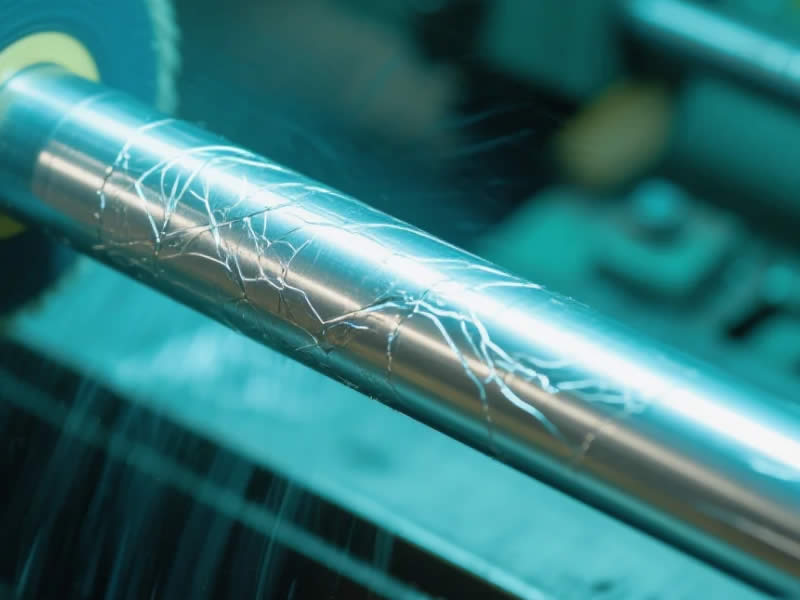
Aluminium trekking poles are tough, but they aren’t immune to scratches. Rock scrapes, accidental drops on quartzite, or simply brushing against sharp boulders can leave unsightly and sometimes concerning grooves on your poles. Deep scratches not only look bad but can also become starting points for corrosion, especially in Brazil’s humid Atlantic Forest or coastal environments. The good news: many deep scratches can be repaired or at least smoothed out. Here’s a step‑by‑step guide to restoring your aluminium shafts.
Recommended trekking pole purchase link: https://lightenup.aliexpress.com/store/1101521655
First, assess the damage: cosmetic vs. structural
Before picking up any tool, determine if the scratch is purely cosmetic or if it compromises the pole’s integrity.
- Cosmetic scratches – Surface marks that you can feel with a fingernail but do not remove metal. These are easy to buff out.
- Deep scratches – Grooves that have removed a noticeable amount of aluminium. You can see a “valley” and the edges may be sharp.
- Structural damage – Any scratch that goes more than 0.5 mm deep, causes a visible dent, or is accompanied by a bend or crack. Do not attempt to repair structural damage – replace the section or the pole. A deep groove can act as a stress riser, causing the pole to snap under load.
Tools and materials you’ll need
- Fine steel wool (grade 000 or 0000)
- Sandpaper: 400, 600, 800, 1000 grit
- Metal epoxy putty (e.g., JB Weld, or similar available at Brazilian hardware stores like Leroy Merlin, Mercado Livre)
- Clear nail polish or automotive clear coat spray (for sealing)
- Polishing cloth
- Masking tape
- Isopropyl alcohol or acetone (for cleaning)
Step‑by‑step repair for deep scratches
1. Clean the area – Remove dirt, grease, and oxidation. Use isopropyl alcohol on a cloth. Let it dry.
2. Protect the surrounding area – Apply masking tape around the scratch to limit the repair zone and avoid damaging the rest of the shaft.
3. Smooth the sharp edges – Use 400‑grit sandpaper to gently round off any raised edges around the scratch. Do not sand deeper; you just want to remove burrs that could snag skin or clothing.
4. Fill the scratch (if deep enough to catch a fingernail) – Mix a small amount of metal epoxy putty according to instructions. Apply it into the scratch with a toothpick or a small spatula, slightly overfilling. Let it cure completely (usually 12‑24 hours).
5. Sand the filled area – Start with 400‑grit and gently wet‑sand the epoxy until it is level with the surrounding aluminium. Progress to 600, then 800, and finally 1000 grit for a smooth finish. Keep the sandpaper wet to reduce friction and achieve a finer result.
6. Blend the finish – Use 0000 steel wool to lightly buff the entire area, blending the repaired spot with the rest of the shaft. This also creates a uniform matte appearance.
7. Seal the repair – Aluminium is prone to oxidation, especially in humid climates. Apply a thin coat of clear nail polish or automotive clear coat over the repaired area. This prevents moisture from seeping into the epoxy‑aluminium interface. Allow to dry.
What about scratches that are deep but not through the wall?
If you choose not to fill the scratch (for instance, if it’s just a narrow groove), you can still protect it by sanding the edges smooth and applying a clear coat. However, the groove will remain a weak point. For poles used on rocky Brazilian trails (Serra Fina, Pedra da Gávea), filling is strongly recommended.
When you should NOT repair a scratch
- Cracks – Any line that travels across the shaft, especially near the lock or tip. The pole is compromised. Replace it.
- Bent shaft – Straightening aluminium weakens it. Replace the section.
- Exposed internal anodizing – If the scratch reveals raw aluminium and the pole is anodized, the corrosion resistance is reduced. You can seal it, but the pole will be more vulnerable to pitting in salty or acidic environments (e.g., coastal trails).
Alternatives to DIY repair
- Replace the lower section – Many brands (Decathlon, Black Diamond, LEKI) sell replacement lower sections. This is often cheaper and safer than trying to fix a deeply scratched or bent pole.
- Use a permanent marker or touch‑up paint – For very shallow scratches that only affect the colour, a black or silver paint marker (like a Sharpie oil‑based pen) can hide the blemish and provide a thin protective layer. This is cosmetic only.
Prevention tips for the future
- Avoid dragging poles on rocky ground – Lift them between plants.
- Use rubber tip covers when walking on paved or rocky sections – They also protect the tip, but they don’t protect the shaft from side scrapes.
- Store poles in a padded bag – Keeps them from rubbing against each other or other gear.
- Inspect after every hike – Clean mud off; mud can hide scratches that might later corrode.
Final verdict
Deep scratches on aluminium trekking poles can often be repaired using metal epoxy putty, sanding, and sealing. The process is straightforward and requires only basic tools. However, if the scratch is accompanied by a bend, crack, or significant metal removal, replace the affected section. For most Brazilian hikers, a well‑repaired pole can continue to perform safely for years. Keep your poles in good shape, and they’ll keep you stable on the steep, rocky trails of the Serra do Mar and beyond.




