




How to disinfect trekking poles after hiking in areas with leptospirosis risk?
Leptospirosis is a bacterial infection spread through the urine of infected animals, particularly rats. The bacteria can survive in water and moist soil for weeks. In Brazil, areas with standing water, flooding, or high rodent populations – including urban trails near rivers, rural agricultural land, and some national parks – pose a risk. When you hike in such areas, your trekking poles can come into contact with contaminated mud or water. The bacteria can then be transferred to your hands, gear, or tent. Proper disinfection of your poles after the hike is a simple but critical step to protect yourself and your family. Here’s how to do it effectively and safely.
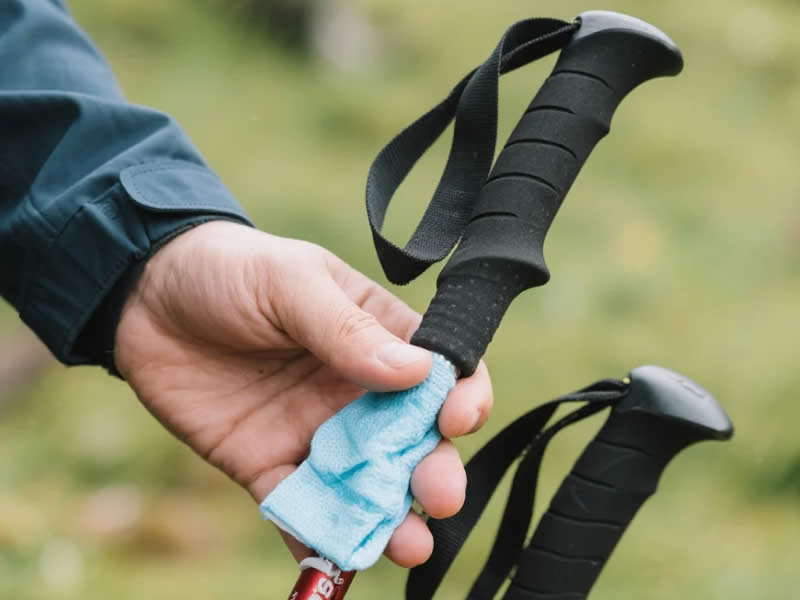
Recommended trekking pole purchase link: https://lightenup.aliexpress.com/store/1101521655
Why disinfection matters
Leptospira bacteria enter the body through mucous membranes (eyes, nose, mouth) or broken skin. If you handle a pole with contaminated mud and then touch your face, or if you store poles inside your tent where you later touch them, you risk infection. Symptoms range from mild flu‑like illness to severe liver and kidney damage. Disinfection kills the bacteria, eliminating that route of transmission.
When to disinfect
- After any hike in areas known to have leptospirosis risk (e.g., floodplains, rice paddies, canals, or trails with standing water or visible rat signs).
- After your poles have been in direct contact with puddles, mud, or water that could be contaminated.
- As a routine practice after wet‑season hikes in tropical Brazil.
What you need
- Disinfectant solution: A 10% household bleach solution (1 part bleach to 9 parts water) is highly effective against Leptospira. Alternatively, 70% isopropyl alcohol (rubbing alcohol) works well and evaporates quickly.
- Clean water for rinsing.
- Soft brush (old toothbrush) for scrubbing.
- Gloves (optional but recommended).
- Cloth or paper towels.
- Well‑ventilated area (outdoors or near a window).
Step‑by‑step disinfection protocol
1. Remove loose dirt – Before disinfecting, rinse the poles with clean water to remove visible mud and debris. This prevents organic matter from neutralizing the disinfectant.
2. Prepare the disinfectant – Mix 1 part household bleach (sodium hypochlorite, 2‑5%) with 9 parts cool water. Do not use hot water; it breaks down bleach. Make only as much as you need for one use. Alternatively, pour 70% alcohol into a spray bottle.
3. Apply to all surfaces – Using a cloth or spray bottle, thoroughly wet every part of the trekking poles:
- Shafts (extend fully).
- Grips (cork, foam, or rubber).
- Flick lock levers and cams (open them to expose the mechanism).
- Tip and basket threads (remove baskets and tip covers if possible).
- Wrist straps (saturate the fabric).
4. Scrub crevices – Use a soft brush to work the disinfectant into grooves, locks, and around the tip. Pay special attention to the area where the lower section slides into the upper tube – bacteria can hide there.
5. Let it sit – Allow the bleach solution to remain on the surfaces for at least 5 minutes (10 minutes is better). For alcohol, 1‑2 minutes is sufficient, but a longer contact time increases efficacy.
6. Rinse with clean water – Bleach residue can corrode metal and damage plastic over time. Rinse the poles thoroughly with fresh water. If you used alcohol, rinsing is not strictly necessary because alcohol evaporates, but a quick rinse won’t hurt.
7. Dry completely – Extend the poles and leave them in a well‑ventilated area, preferably in indirect sunlight (UV also helps kill bacteria). Do not collapse them until fully dry – trapped moisture can lead to rust.
8. Wash your hands – After handling the poles, wash your hands with soap and water, even if you wore gloves.
Special considerations for different pole materials
- Aluminium: Bleach is safe for anodized aluminium. Rinse well to avoid pitting.
- Carbon fiber: Bleach does not harm carbon composites, but avoid prolonged soaking (more than 30 minutes).
- Cork grips: Bleach can dry out cork. After rinsing, wipe the grip with a damp cloth and apply a small amount of cork conditioner (or simply let it air dry). Alcohol is gentler on cork.
- Foam grips: Both bleach and alcohol are safe; rinse well.
- Wrist straps (nylon): Bleach will not damage nylon, but it may fade colors. Rinse thoroughly.
What about using disinfectant wipes?
Pre‑moistened disinfectant wipes (e.g., with quaternary ammonium) are convenient for field use, but they may not reach deep into locks and crevices. Use them as a supplement, not a replacement for a thorough liquid disinfection.
When to disinfect at the trailhead
If you are on a multi‑day trek and cannot properly clean your poles until you return home, at least rinse them with clean water and let them dry in the sun. At home, perform the full bleach disinfection before storing them. Do not use bleach on the trail – it’s heavy and can contaminate the environment.
How often to repeat
Disinfect after every hike in a leptospirosis‑risk area. For routine hikes in low‑risk areas, standard cleaning (soap and water) is sufficient.
Final safety note
Leptospirosis is primarily transmitted through mucosal contact with contaminated water or soil. While disinfecting poles is a good practice, the most important protection is to avoid touching your face with unwashed hands during the hike, cover any cuts with waterproof plasters, and wash your hands thoroughly after the hike. If you develop fever, muscle aches, or jaundice after hiking in a risk area, seek medical attention immediately and mention your exposure.
Final verdict
Disinfecting trekking poles after hiking in areas with leptospirosis risk is simple, effective, and potentially life‑saving. A 10% bleach solution or 70% alcohol, applied to all surfaces for 5‑10 minutes, followed by thorough rinsing and drying, kills the bacteria. Make this a routine after wet‑season hikes in Brazil’s floodplains and rodent‑prone areas. Keep a small spray bottle of 70% alcohol in your gear cleaning kit for easy use. Your health is worth the extra five minutes of care. Stay safe on the trails.




