




Are trekking poles necessary for the Pico do Jaraguá urban hike in São Paulo?
Pico do Jaraguá, standing at 1,135 meters, is the highest point in the city of São Paulo. It’s a popular urban hike, easily accessible by public transit, with a well‑maintained trail that leads to a panoramic view of the sprawling metropolis. Many first‑time visitors wonder: Are trekking poles necessary for the Pico do Jaraguá urban hike in São Paulo?
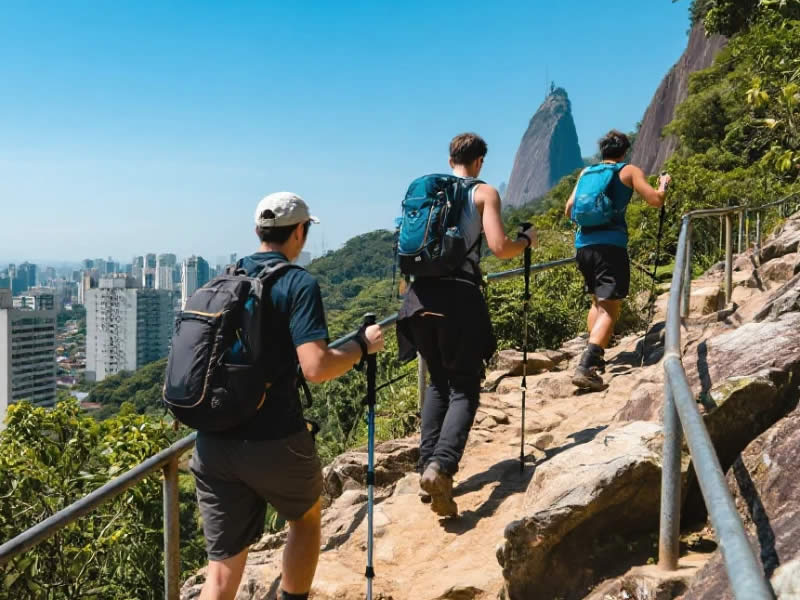
The short answer: No, trekking poles are not necessary for most hikers on this trail. Let’s explain why, and when you might still want to bring them.
Trail characteristics
The main route to the summit is approximately 3 km (one way) with an elevation gain of around 270 meters. The path is a mix of:
- Paved sections – The lower part of the trail is asphalted, wide, and gentle.
- Well‑graded dirt – After the paved section, a compacted dirt trail continues with moderate inclines.
- Stone stairs – Near the top, there are stone steps that are stable and easy to navigate.
- No technical scrambling – Unlike rocky outcrops in Rio or Minas Gerais, Jaraguá has no loose scree, polished granite, or exposed ridges.
The entire route is well‑signposted, and the average completion time is 1–1.5 hours to the top. Many families, casual walkers, and even runners use the trail without any specialized gear.
Who might benefit from trekking poles?
- People with chronic knee pain – The descent can still stress knees; poles can absorb some impact.
- Older adults or those with balance issues – The dirt sections have occasional loose pebbles; two extra points of contact increase stability.
- Hikers carrying heavy loads – If you’re training for a longer trek with a full pack, poles help distribute weight.
- In wet conditions – After rain, the dirt can become slightly muddy and slippery. Poles add grip.
Why most people skip poles on Jaraguá
- Short distance – The hike is under 90 minutes; fatigue and joint stress are minimal.
- Good infrastructure – Wooden handrails exist on some steeper stair sections.
- Urban environment – Carrying poles on São Paulo public transport (bus or train) can be inconvenient. Security at the park entrance is casual, but poles may be seen as unnecessary bulk.
Recommendation
For the average fit person, leave the poles at home. Wear sturdy walking shoes, bring water, and use the provided handrails where needed. If you have pre‑existing knee or hip issues, bring a single lightweight aluminum pole (e.g., Decathlon Forclaz) – but even then, many manage without.
Final verdict
Trekking poles are completely optional for Pico do Jaraguá. The trail is short, well‑maintained, and non‑technical. Save your poles for the rocky trails of Chapada or the steep descents of Três Picos. For an urban hike in São Paulo’s largest green area, your legs and a good pair of sneakers are all you need. Enjoy the view of the city—without the extra gear.




