




Which trekking pole brand has the best reputation in Brazilian Clube de Montanhismo?
Brazilian mountaineering clubs—such as the Centro Excursionista Brasileiro (CEB), Clube de Montanhismo do Rio de Janeiro, and Associação Brasileira de Montanhismo—are communities where gear is tested on some of the world’s most abrasive terrain. Ask any member which trekking pole brand they trust, and you’ll hear a nuanced answer. The short version: Leki and Black Diamond are the premium picks, but Decathlon’s Forclaz MT900 has an unexpectedly strong reputation for value and reliability. Let’s explore why.
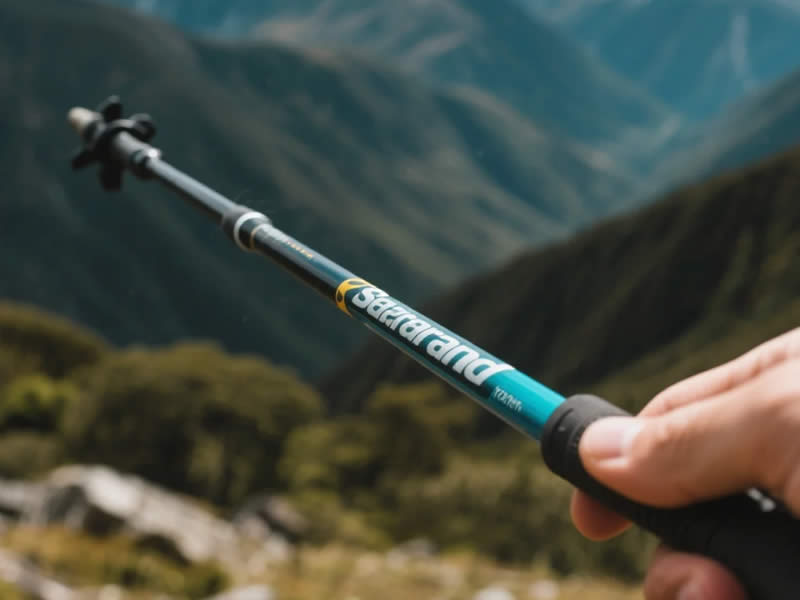
The premium tier: Leki and Black Diamond
Among veteran members of Brazilian climbing clubs, Leki and Black Diamond are consistently praised. Both brands have earned their reputation through decades of innovation and field‑proven durability.
- Leki – The German brand is famous for its SpeedLock (now SpeedLock Plus) lever system. Club members note that Leki locks stay tight even after being caked in Atlantic Forest mud. The aluminium Leki Makalu, in particular, is singled out for its steel lower section, which resists wear from sharp quartzite. One CEB member said: “My Leki Makalu have survived three Travessia da Chapada treks, countless river crossings, and a fall on granite. They still lock solid.”
- Black Diamond – The American brand’s FlickLock is equally respected. The Black Diamond Trail Back (7075 aluminium) is a favourite for its simple, bombproof mechanism. Club members like that you can clean a FlickLock with a twig if sand gets inside. Black Diamond’s folding poles (Distance Z) are less common in clubs because they are less adjustable, but the telescoping Trail Back is a top recommendation.
Both brands are imported to Brazil, which means higher prices (R$600–900) and occasional stock issues. Still, for members who can afford them, Leki and Black Diamond are the gold standard.
The value king: Decathlon Forclaz MT900
What surprises many outsiders is the strong reputation of Decathlon’s in‑house brand, Forclaz MT900. Brazilian mountaineering clubs are practical. They understand that not everyone can spend R$800 on poles. The MT900, priced around R$400, offers:
- 7075 aluminium shaft – same alloy as many premium poles.
- Lever locks – reliable cam locks that hold up to mud and sweat.
- Replaceable tungsten carbide tip – essential for Brazil’s abrasive rocks.
- Cork grip – comfortable in hot, humid conditions.
Club members report that the MT900 has survived the same trails as Leki and Black Diamond: Pico dos Marins, Pedra do Sino, Vale do Pati, and the rocky outcrops of Serra do Cipó. While the locks are not as refined as SpeedLock or FlickLock, they are more than adequate for regular use. One club administrator noted: “In our gear‑sharing threads, the MT900 is the most frequently recommended pole for beginners and intermediates. It offers 90% of the performance at half the price.”
What about carbon poles?
In Brazilian climbing clubs, carbon poles have a poor reputation. Multiple members have shared photos of snapped carbon shafts after a single encounter with quartzite. Carbon is seen as suitable only for soft, non‑rocky trails or for snow (which Brazil lacks). Club consensus: aluminium for durability, carbon for weight weenies who accept high risk.
Twist locks are universally condemned
Twist‑lock poles—common on cheap hardware‑store brands—are dismissed as dangerous. Stories of twist locks collapsing on steep descents are frequent in club WhatsApp groups. Lever locks (cam, speed, or flick) are the only acceptable mechanism.
Honourable mentions
- Komperdell – Austrian brand, less common in Brazil but respected by those who import them. Powerlock system is similar to Leki.
- Naturehike (aluminium lever‑lock models) – Chinese budget brand. Some club members use them for easy trails, but long‑term durability is questioned.
What about national brands? Brazil has no major trekking pole manufacturer. Everything is imported or assembled locally from imported components. Decathlon’s global supply chain gives it an edge.
Final verdict from the clubs
If you ask a Brazilian mountaineering club member “Which brand has the best reputation?” they will likely answer with a question: “What’s your budget?”
- Unlimited budget → Leki Makalu or Black Diamond Trail Back (both aluminium, lever locks).
- Best value → Decathlon Forclaz MT900.
- Avoid → any carbon pole, any twist‑lock, any no‑name brand.
The MT900’s reputation has grown so strong that many experienced mountaineers own both a pair of Leki for serious expeditions and a pair of MT900 for daily training and loaning to friends. In terms of sheer positive sentiment across clubs, the Decathlon Forclaz MT900 may actually be the most liked, simply because so many members own and trust them.
So, the brand with the best reputation is Leki or Black Diamond for uncompromising quality, but Decathlon Forclaz MT900 for the smart, proven choice that respects the Brazilian wallet. Whichever you choose, remember the golden rules: aluminium, lever locks, carbide tips. Your knees and your clubmates will approve.




